-
Gender Equity Key to Feeding 9 Billion by 2050
›“Valuing women, paying greater attention to women’s rights – that’s the solution to our population growth issues and, I would argue, it’s also the solution to our food security challenges,” said Suzanne Petroni at the Thought for Food Summit in Berlin last year.
-
Global Youth Wellbeing Index Launched
›An estimated 1.8 billion people today are between the ages of 10 and 24 and 85 percent of them live in developing economies and/or fragile states. Such youthful age structures can lead to a number of challenges, including increased potential for instability, and countries with large numbers of young people must find ways to address their unique needs.
-
Effective Conservation Efforts Must Recognize Livelihoods, Participatory Decision-Making, Research Finds
› A new report from the International Institute for Environment and Development seeks to understand why Uganda’s Bwindi Impenetrable National Park continues to be exploited despite park officials’ implementation of “integrated conservation and development” (ICD) efforts. The study finds that local people’s perceptions of the benefits of the integrated conservation and development vary depending on five primary factors: age, level of education, homestead distance to the national park, quality of life, and wealth.
 -
Roger-Mark De Souza et al., Outreach
Re-Framing Islands as Champions of Resilience
›September 10, 2014 // By Wilson Center Staff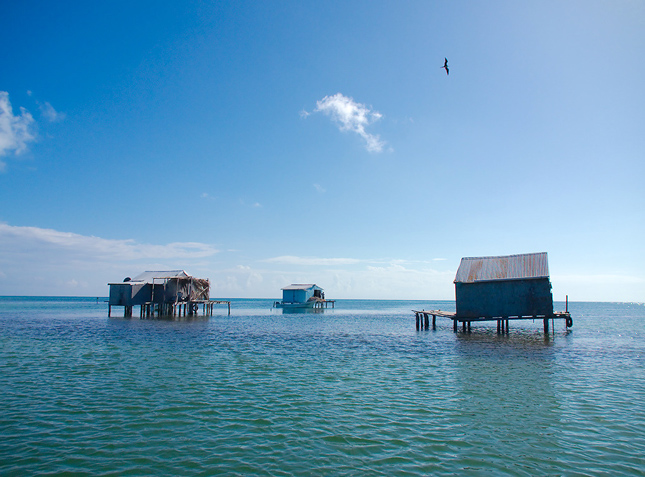
Island communities, particularly those from small island developing states, are often reported in policy documents, academic papers and mainstream media as being “most vulnerable” to climate change and disasters. While such a classification might serve to raise awareness of their plight, or be used as impetus for global action, this approach can also result in unintended (and damaging) attitudes and consequences. This is well-illustrated by recent off-the-record discussions with several donors and policy-makers who have inappropriately implied it is “too late” to “save the islands,” given their vulnerability to current and impending climate change impacts.
-
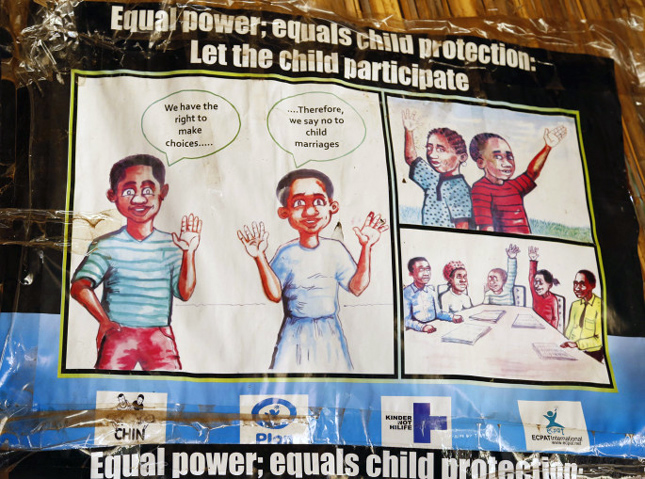
Underage: Addressing Reproductive Health and HIV Needs in Married Adolescent Girls
›In July, thousands of people attended the 20th International AIDS Conference and the 2014 Girls Summit to work towards an AIDS-free generation and ending child and forced marriage. But such attention is rare; by and large, these girls are invisible to development efforts. [Video Below]
-
Overcoming Malnutrition Key to Maternal and Child Health Improvements, Says Dr. Ranu Dhillon
›
With less than 500 days until they expire, it’s almost certain that the Millennium Development Goals on child mortality and maternal health will be missed by many countries. Already, work on drafting the MDG successors has begun; but unless policymakers put nutrition at the center of maternal and child health systems, reducing global maternal and child mortality ratios by an appreciable amount will be difficult, says Dr. Ranu Dhillon in this week’s podcast.
-
Proven and Promising Solutions to Strengthening Maternal Health Supply Chains
›In 2012, as part of the Every Women Every Child movement, 13 vital health commodities were identified by a UN panel that could save the lives of more than 6 million women and children over the course of five years. There are often significant cultural and behavioral barriers to these commodities reaching people in low- and middle-income countries, but physical logistics is also a major problem. -
Accelerating a Cycle of Violence: Tallying the Damage to Gaza’s Youth
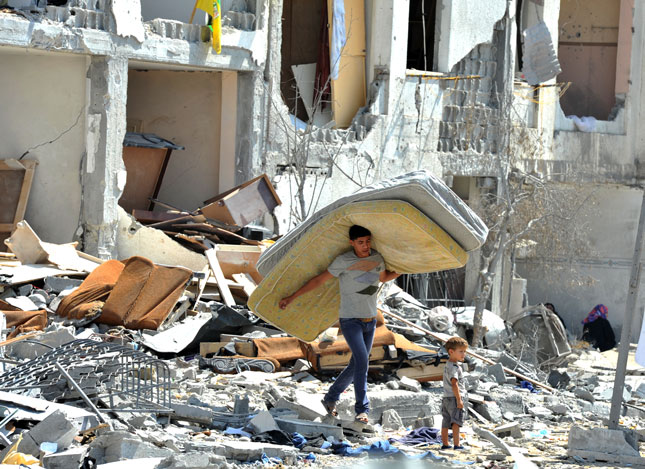
›August 25, 2014 // By Sarah MeyerhoffAmid stop-and-start ceasefires, the tally of death and destruction from the recent conflict in the Gaza Strip has begun. Whatever the final losses incurred – casualties and damage are considerable with estimates varying significantly depending on the source – Gaza’s youngest residents are likely to be most profoundly affected.
Showing posts from category development.