-
ECC Platform
Data for Peace: Inventory of Shared Waters in Western Asia
›October 1, 2013 // By Wilson Center Staff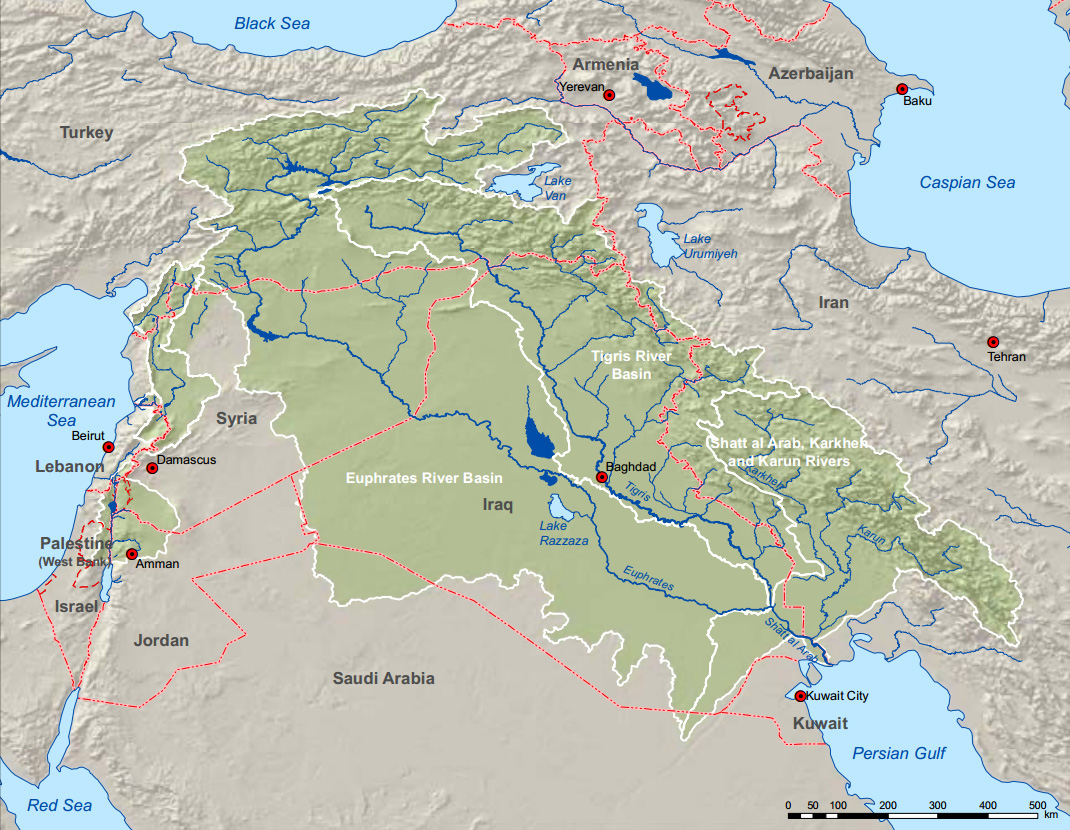
The original version of this article appeared on the Environment, Conflict, and Cooperation (ECC) Platform.
The Environment, Conflict, and Cooperation team talked to Eileen Hofstetter from the Swiss Agency for Development and Cooperation. She is co-author of the Inventory of Shared Water Resources in Western Asia released at this year’s World Water Week in Stockholm. The Inventory was prepared by the United Nations Economic and Social Commission for Western Asia and the German Federal Institute for Geosciences and Natural Resources.
-
Southeast Asia’s Haze Problem a Harbinger of Challenges to Come
›
The original version of this article first appeared on The Globalist.
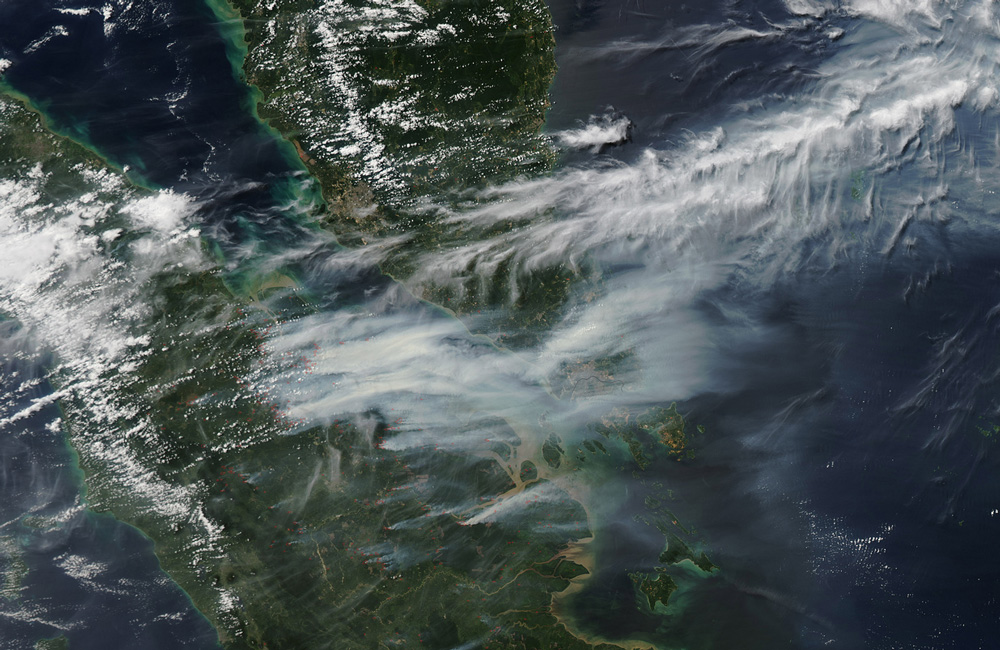
Haze may be the new weapon of mass destruction. Not in the narrow sense of an incoming ballistic missile, of course, but for millions in Southeast Asia, this summer’s sooty haze poses a threat more dire than a nuclear-tipped missile.
-
Development vs. Conservation: Global Trends in the Battle Over Oil in Ecuador’s Yasuní Rainforest
›Ecuador, the OPEC member with the smallest amount of proven oil reserves, has gained outsized attention in the debate over the future of oil extraction in recent days and may well play a decisive role in the outcome of the global tension between economic development and environmental conservation.
-
Geoff Dabelko on Avoiding Conflict From Climate Adaptation
›
Although major global action remains stymied in many respects, policymakers around the world are increasingly at least recognizing the need to increase resilience to the effects of climate change. But are the consequences from hastily implemented initiatives being adequately considered? Perhaps not.
-
First “Nexus Dialogue” on Water, Energy, and Food Kicks Off in Nairobi
›Water, energy, and food – this “nexus” of interrelated resource issues continues to garner attention from analysts, policymakers, and the media. Over the next four decades global population is projected to increase to about 9.6 billion and, worldwide, demand for water is projected to increase 55 percent; energy, 80 percent; and food, 60 percent. In a new video about the first of a series of workshops on this nexus, the International Union for Conservation on Nature and the International Water Association explain how they are working to bring together private and public sector water infrastructure experts from across Africa and the world to build partnerships and create some consensus on a “nexus-based approach” to managing scarce resources.
-
The Great Anatolia Project: Is Water Management a Panacea or Crisis Multiplier for Turkey’s Kurds?
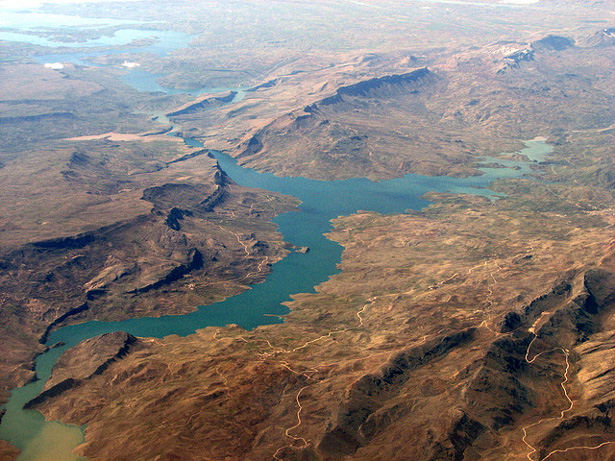
›During the Gezi Park protests last month in Istanbul, Turks and Kurds dismissed historical mistrust and banded together against Prime Minister Erdogan’s growing authoritarianism. Some have suggested the newly unifying cause has strengthened momentum for a long-standing solution to Kurdish autonomy and rights in Turkey. Still it may be water that the fate of Kurdish ambitions is most tied to, rather than officials in Ankara or protestors in Istanbul.
-
Lisa Friedman: Bangladesh Shows Importance of Expanding Coverage of Climate-Induced Migration
›“What I found in Bangladesh was that [climate migration] wasn’t a straight line,” says Lisa Friedman in this week’s podcast. It’s “a far more complicated story.”
Friedman is the deputy director of ClimateWire, a news service that brings readers daily information related to climate change and its effects on business and society. At the launch of ECSP’s new report, Backdraft: The Conflict Potential of Climate Mitigation and Adaptation, Friedman discussed her experiences reporting on climate-induced migration in Bangladesh – one of the most vulnerable countries to climate change in the world, due to its low-lying geography, dense population, and high poverty levels.
-
Wilson Center Roundtable on ‘Backdraft’: The Unintended Consequences of Climate Change Response
›As President Obama readies a new road map for addressing climate change in the United States, experts warn that poorly designed and implemented initiatives, especially in already-fragile parts of the world, could unintentionally provoke conflicts, rather than diffuse them.
Showing posts from category international environmental governance.