-
Wild Laws: China and Its Role in Wildlife Trafficking
›China Environment Forum // From the Wilson Center // September 12, 2016 // By Evie Kirschke-Schwartz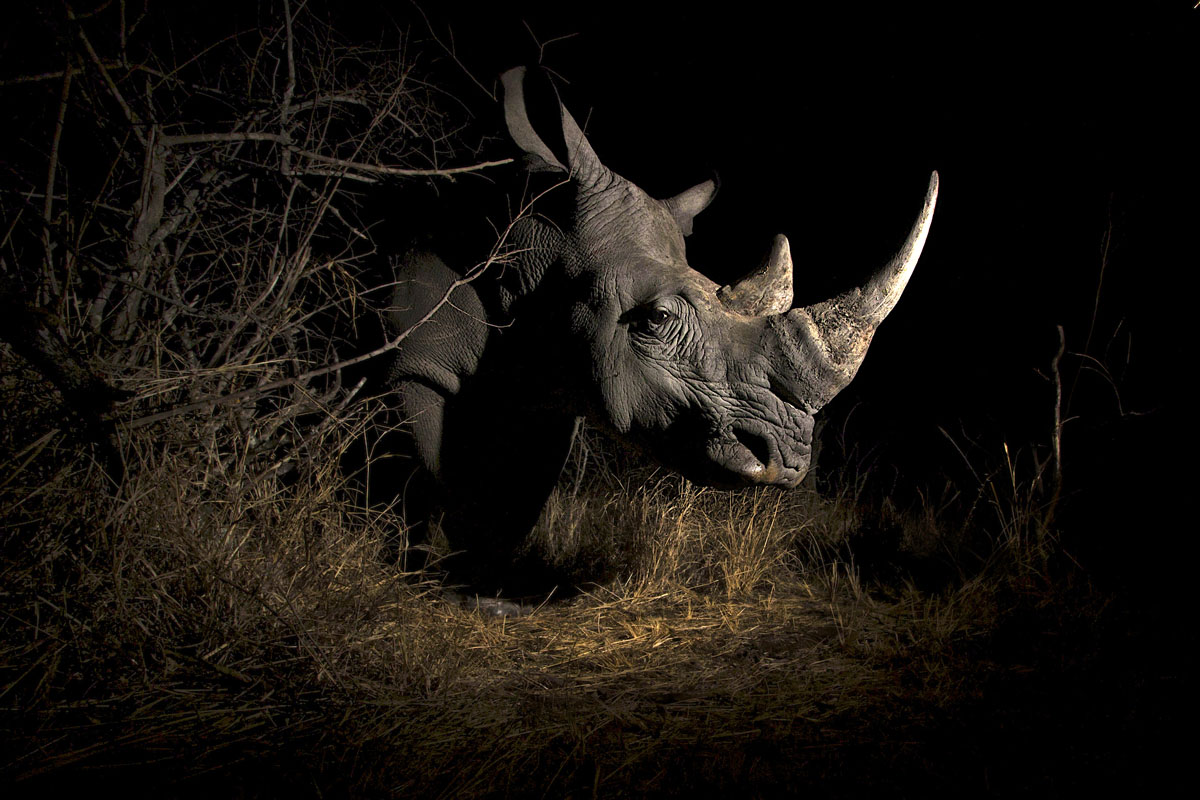
Picture your typical farm: Pigs, cows, chickens, goats…and tigers? This may sound far-fetched, but many iconic wild animals – including tigers, bears, and rhinos – are now farmed en masse in China.
-
“Loss and Damage” and “Liability and Compensation” – What’s the Difference and Why Does It Matter?
›September 2, 2016 // By Cara Thuringer
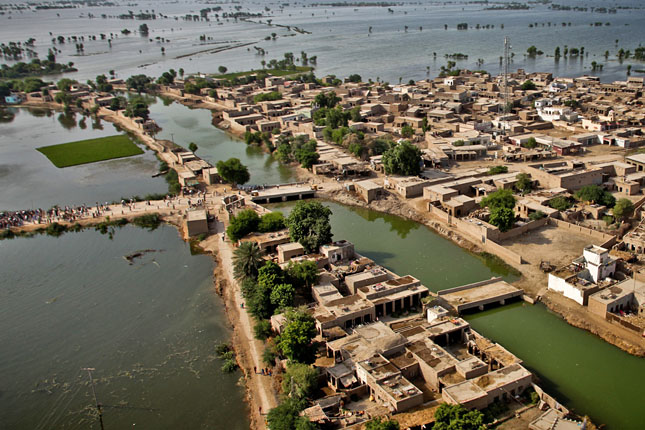
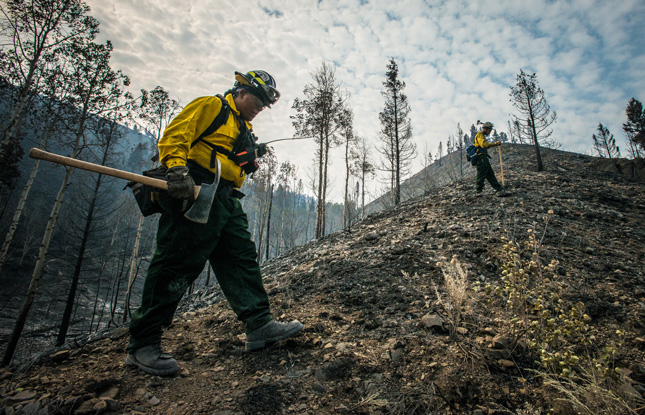
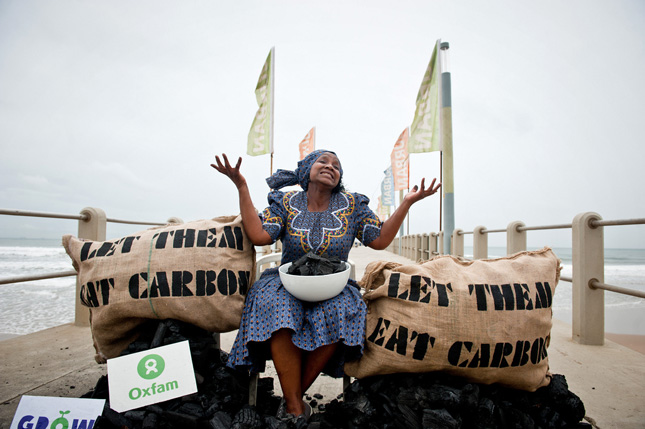
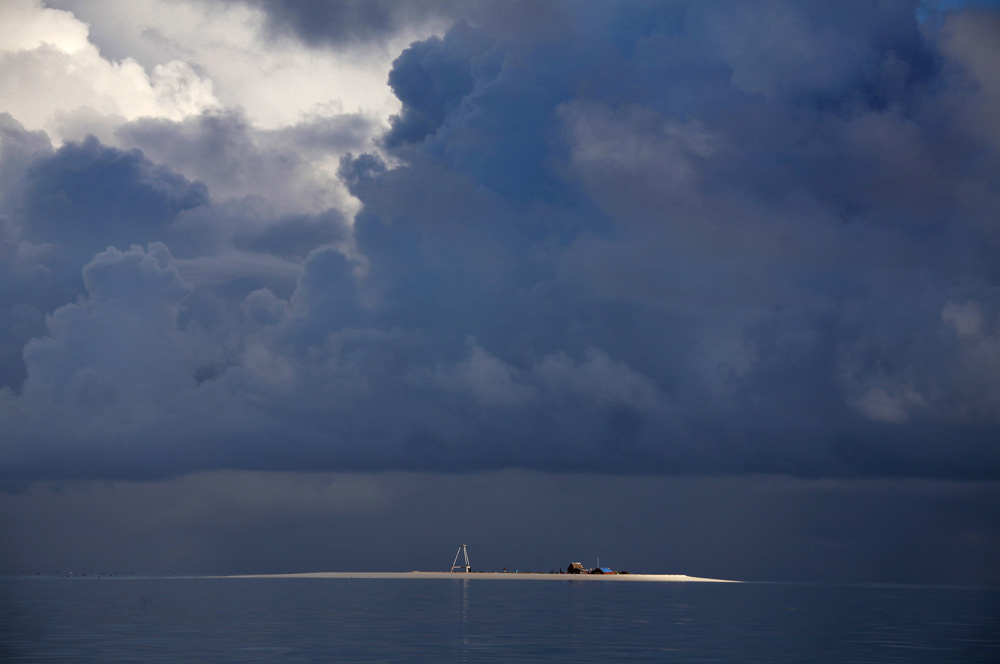
When wildfires become unstoppable, consuming forests, farmlands, communities, and anything else in their path, how will those affected cope? When typhoons slam coastal populations, dumping over a foot of rain in a single event, who will be there to help mop up? When seas rise up, drowning centuries-old communities, where will the displaced go?
-
How Lapis Lazuli Turned One Afghan Mining District to the Taliban
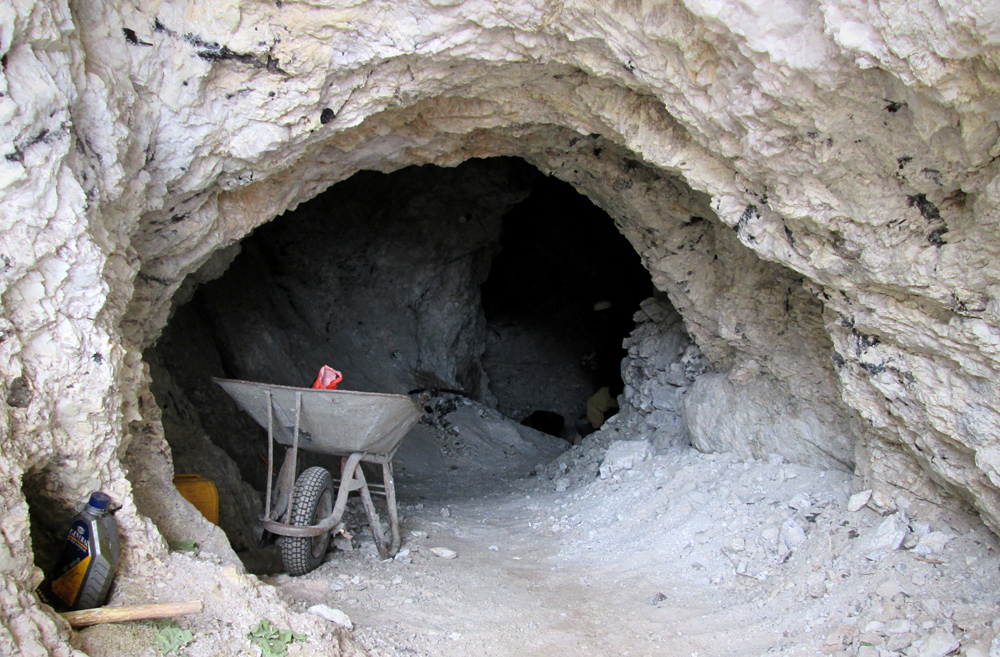
›August 25, 2016 // By Adrienne BoberIn the mountains of northern Afghanistan, between Pakistan and China, a region that has historically rejected the Taliban has become the group’s second-largest source of revenue. The twisting tale of Kuran wa Munjan reveals the challenges of extracting precious minerals in unstable and fragile states.
-
UNEP Releases GEO-6 North American Region Report: A Good Grade, With Qualifications
›With so much focus on global environmental problems, many may wonder how their region is faring more specifically. This is the sentiment behind the United Nations Environment Program’s process for the latest iteration of its flagship assessment, the Global Environmental Outlook 6 (GEO-6). [Video Below]
-
Africa’s Regional Powers Are Key to Climate Negotiations – But Will They Cooperate?
›Most African states are more vulnerable and less prepared to address climate change challenges than the rest of the world. This observation is supported by a wide variety of sources, including the Climate Vulnerability Index and the Notre Dame Global Adaptation Index. And in fact Africans and their political leaders frequently observe that this crisis, manufactured in the developed world, disproportionately affects their continent. During a meeting of the African Union in 2007, Ugandan President Yoweri Museveni called climate change “an act of aggression” by the rich against the poor.
-
Deep Trouble: Emerging Resource Competition in the Deep Sea
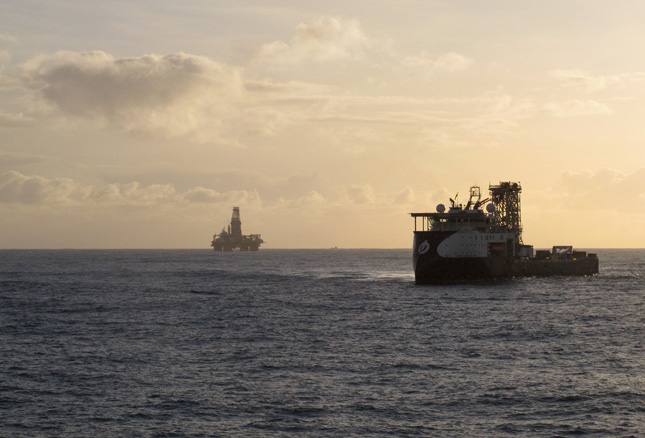
›It might seem strange to say that the deep sea, the vast expanse of the world’s oceans beyond the continental shelf, is at risk of conflict and competition. After all, no one lives there, and as is often said, more is known about the surface of the moon than most parts of the ocean floor. But the fact is, even the cold, dark reaches of the ocean are no longer immune to resource competition between the world’s major powers.
-
Rowand Jacobsen, Ensia
Can New Water Tech Help Reduce Conflict in Middle East?
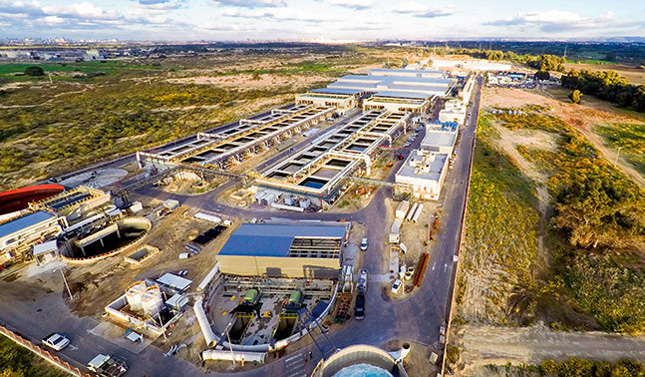
›August 9, 2016 // By Wilson Center StaffTen miles south of Tel Aviv, I stand on a catwalk over two concrete reservoirs the size of football fields and watch water pour into them from a massive pipe emerging from the sand. The pipe is so large I could walk through it standing upright, were it not full of Mediterranean seawater pumped from an intake a mile offshore.
-
Justice and Contemporary Climate Relocation: An Addendum to Words of Caution on “Climate Refugees”
›The idea that climate change is causing migration and displacement is entering the mainstream, but experts have warned against using the term “climate refugees” to describe what we’re seeing in small islands, coastal regions, and even conflict zones like Syria.
Showing posts from category international environmental governance.