-
Why Good Development Requires Wisdom, Not Just Rules
›
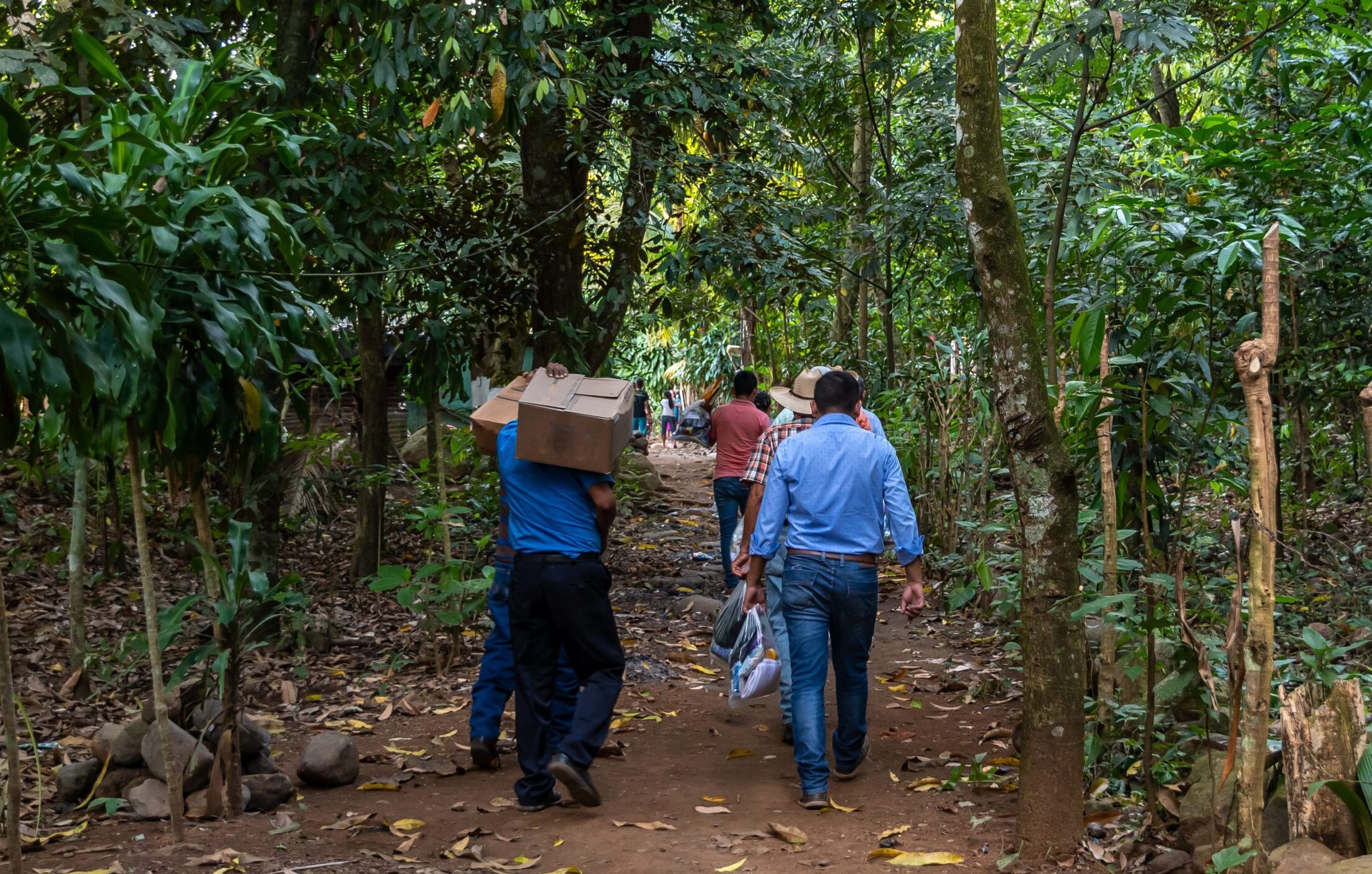
Development practitioners enter the field hoping to make the world a better place. Yet, too often, they become jaded and cynical over time. The bureaucratic processes that shape the mechanics of development programs (funding, design, implementation, and evaluation) often make it difficult for practitioners to apply their expertise and judgment. As the international development sector adjusts to the shutdown of USAID last year, it is an opportune moment to reflect upon how different approaches may strengthen development practice.
-
Environmental Security Weekly Watch: March 9-13, 2026
›
A window into what we’re reading at the Stimson Center’s Environmental Security Program
As Gulf Conflict Widens, So Does Its Environmental Footprint (Dialogue Earth)
The Conflict and Environment Observatory identified at least 120 incidents of environmental harm across 11 countries since the start of U.S. and Israelis began attacks on Iran, as both sides have made oil infrastructure, military facilities, and strategic sites primary targets. The burgeoning conflict poses nuclear, chemical, and long-term carbon risks, as strikes on refineries, tankers, and storage sites degrade air quality, contaminate water contamination, and harm marine ecosystems. And other serious catastrophes loom as the war develops. The IAEA warns that any radioactive release from strikes that target nuclear sites could require evacuating areas the size of major cities.
-
Pakistan’s Floods Expose Deep Gender Divides
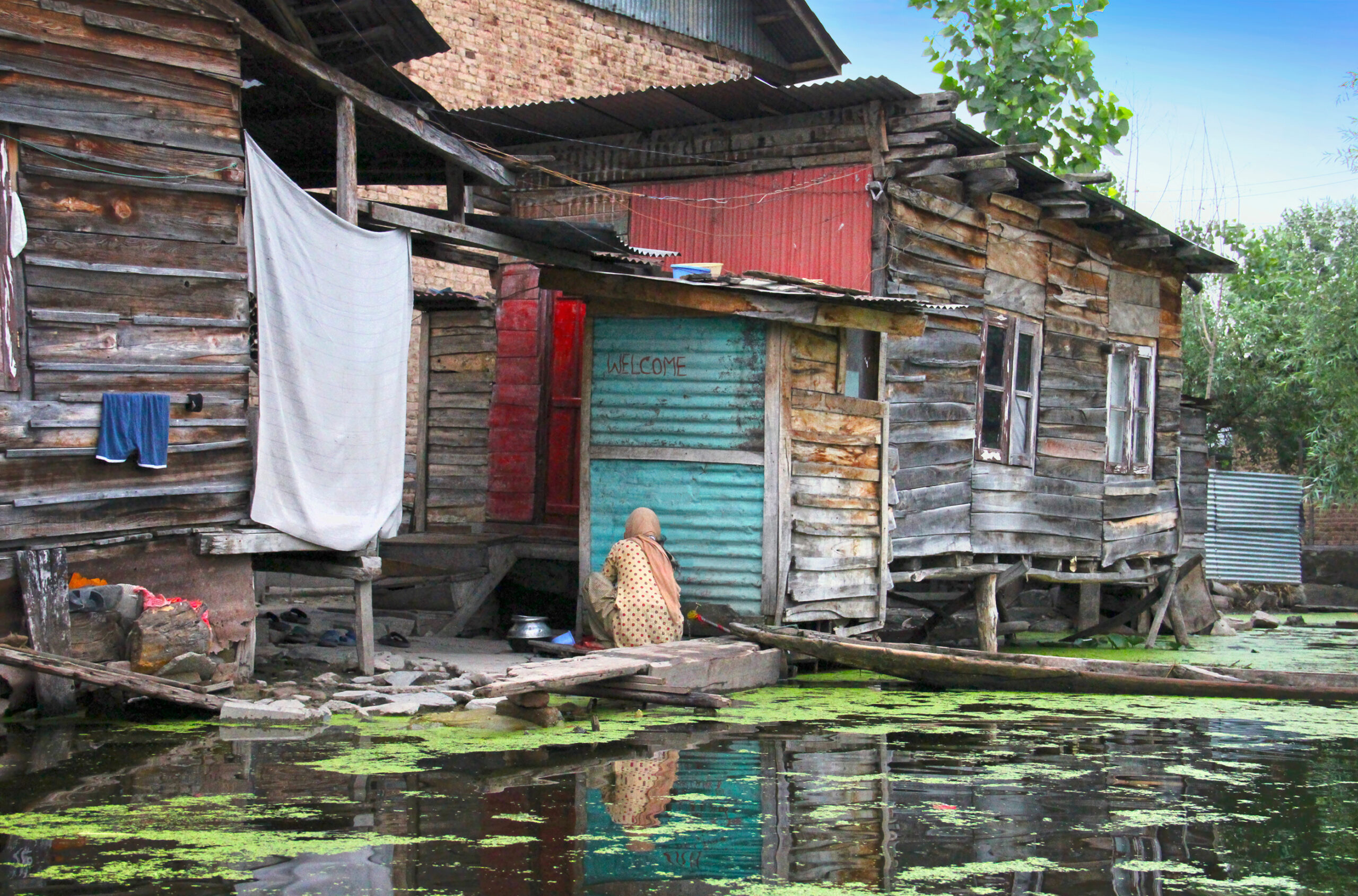
›While global climate leaders met in Brazil last month for the 30th annual global climate summit (COP30), Pakistani women and children continued to deal with the aftermath of the flooding that hit Pakistan this past summer.
-
China’s Belt and Road in Pakistan: What CPEC Leaves Behind
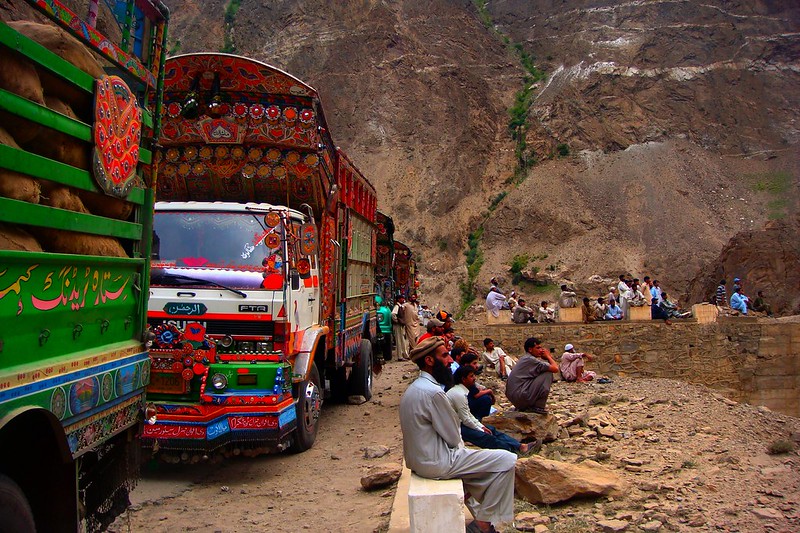
›Launched in 2013, China’s Belt and Road Initiative (BRI) has drawn wide global attention, with scholars and policymakers examining its geopolitical and economic implications. Much less explored, however, are the subnational impacts of BRI in participating countries. The China Pakistan Economic Corridor (CPEC), adopted as Pakistan’s flagship BRI project in 2015, offers a case in point.
-
ECSP Weekly Watch | March 17 – 21
›A window into what we’re reading at the Wilson Center’s Environmental Change and Security Program
Canal Projects Endanger Water Security in Pakistan’s Indus Delta (Al Jazeera)
Dozens of villages in the Indus Delta have been submerged by the encroaching sea over recent years, pushing thousands to migrate inland. Now, local residents in Pakistan fear that new canal projects may further exacerbate water shortages in the region.
-
Environmental Peacebuilding: The Year in Review and the Year Ahead
›As 2025 marches into its third month, the governance challenges that accompany rising demand for natural resources are not only on the front burner—they are proliferating—and becoming entangled with the drivers of conflict and cooperation.
The heated competition for resources has bubbled up in a proposed billion-dollar deal for Ukrainian minerals now making global headlines. The view that critical minerals like lithium, manganese, and others could become bargaining chips in potential peace talks demonstrates how central they’ve become to global competition—and to the economic and political future of countries around the world.
-
ECSP Weekly Watch | March 10 – 14
›A window into what we’re reading at the Wilson Center’s Environmental Change and Security Program
Congo Takes Apple to Court (Foreign Policy)
The Democratic Republic of the Congo has filed criminal lawsuits against Apple subsidiaries in France and Belgium, alleging that the company profits from smuggled conflict minerals laundered through Rwanda. This legal action follows the seizure of key mining areas by M23 rebels, which has further fueled a conflict that already has killed over 8,500 people. Apple denies the claims, stating that it ordered its suppliers to suspend sourcing from Congo and Rwanda.
-
High Standards in Mineral Supply Chains: A Business Case
›Much of the current narrative surrounding critical minerals puts speed and competition in the foreground. Yet the how of mining matters immensely to create and maintain stable mineral supply chains. Reliable and diversified supply chains create win-win scenarios for all stakeholders by incorporating best-in-class environmental standards and true community partnerships.
Showing posts from category human rights.