-
Reproductive Health Care in Crises Has Come a Long Way, Says Sandra Krause, But There’s More to Be Done
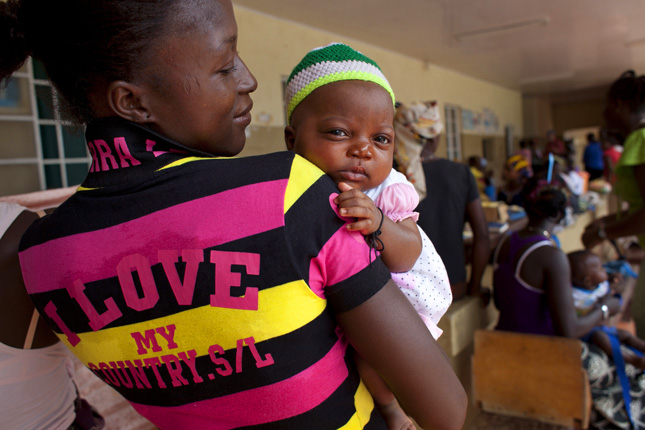
› There may be more women and girls at risk of maternal health complications in fragile and conflict-affected settings today, but attention to the issue is not new and the international community has made important strides over the last 20 years, says Sandra Krause, program director for reproductive health at Women’s Refugee Commission, in this week’s podcast.
 -
Displaced and Disrupted: Closing the Gaps in Maternal Health in Conflicts and Crises
›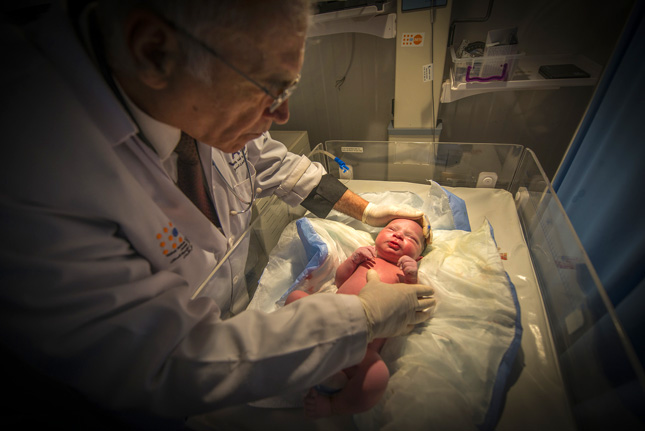
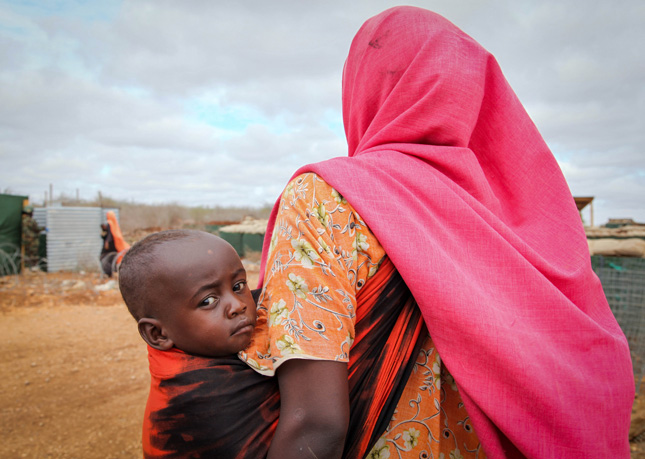
Where violent conflict displaces people and disrupts societies, maternal and child health suffers, and such instability is widespread today. According to the UN Refugee Agency, there are 65.3 million forcibly displaced people, 21.3 million refugees, and 10 million stateless people over the world. In addition, more than 65 million people who are not displaced are affected by conflict.
-
Elena Ateva on Putting the Individual at the Center of Maternal Care
›Exactly one year after the adoption of the Sustainable Development Goals in September 2015, The Lancet published a special series on achieving maternal health priorities in the SDG era, with a focus on quality, equity, strengthening entire health systems, sustainable financing, and collecting better evidence. -
‘The Lancet’ on Achieving Maternal Health Goals in the SDG Era: Tackling Diversity and Divergence
›Between 1990 and 2015, there was an incredible 44 percent decrease in global maternal mortality rates. But these impressive gains still fell short of the Millennium Development Goal of reducing the global maternal mortality ratio by three quarters.
-
Climate Change Is the Biggest Challenge: Wilson Experts on Top Issues Facing President-Elect Trump
›From Putin to Cuba, there are a bevy of international issues competing for attention as the next administration beings to take shape. In a series of contextual one minute video briefings, the Wilson Center’s community of experts weighs in what the world expects of President-elect Trump and the United States moving forward.
-
The Rising Tide of Water Insecurity: Moving from Risks to Responses
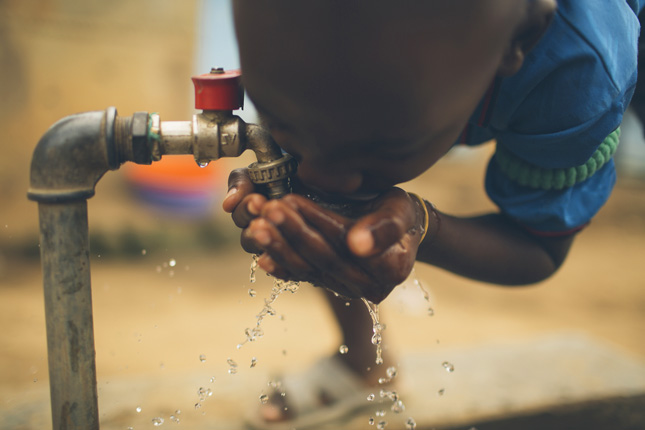
›“Water is the frontline of climate change. It’s what every report that you see identifies as the sort of first and foremost effect we see from a climate changing world,” said Sherri Goodman, a public policy fellow at the Wilson Center and formerly of CNA and the U.S. Department of Defense, on October 19.
-
No Mother Left Behind: How Conflict Exacerbates the Global Maternal Health Challenge
›Since the end of World War II, the number of wars between states has declined significantly, but the number of intrastate civil conflicts – as seen in Syria and Afghanistan – has increased.
-
5 Focal Points for U.S. Global Water Strategy (And Submit Your Own Too)
›November 3, 2016 // By Ken ConcaHave something to say about the U.S. government’s approach to water around the world? Here’s your chance. The Department of State has issued a public call for comment on its global water strategy. An open session was held in Washington last Friday, but written comments can be submitted until November 12.
For inspiration, here are points made by our own (and American University’s own) Ken Conca, edited for space:
Showing posts from category global health.
 There may be
  Exactly one year after the adoption of the Sustainable Development Goals in September 2015,