-
Rebecca Fishman, WASH Advocates
New Water and Women’s Health Series by MHTF and WASH Advocates
›
The original version of this article, by Rebecca Fishman, appeared on the WASH Advocates and Maternal Health Task Force blogs.
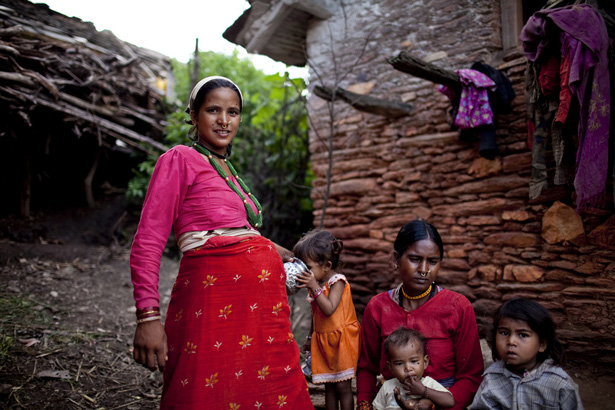
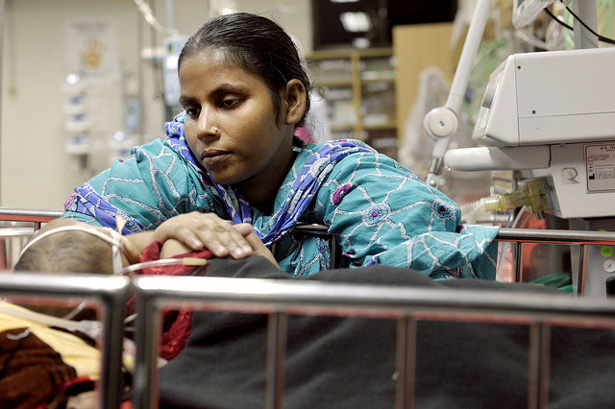
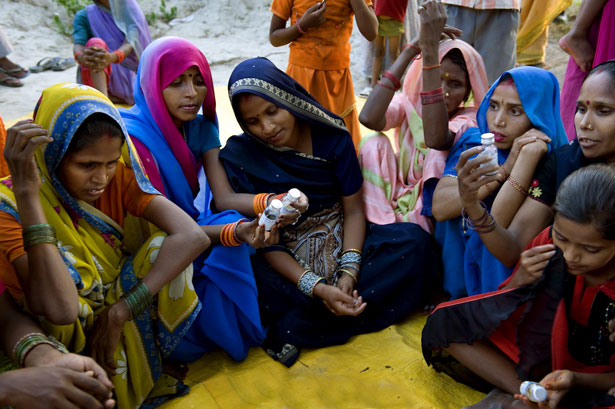
Access to clean water is not only one of the world’s most urgent health issues, but it is also a key to boosting progress in developing countries. Women and children are disproportionately affected by inadequate water, sanitation, and hygiene (WASH), and they shoulder the largest burden in collecting drinking water. What is more, when the needs of women and girls are not taken into account, the effects are felt far and wide, reaching across the education, health, security, and economic sectors. On the other hand, improving WASH can have positive impacts throughout a girl’s life and can even extend across generations. As we know, when women thrive, so do their communities.
-
Goldilocks Had It Right: How to Build Resilient Societies in the 21st Century
›March 5, 2013 // By Laurie Mazur
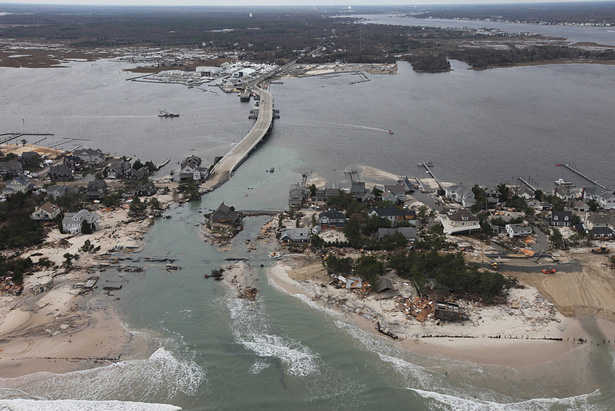
When Superstorm Sandy slammed into the U.S. East Coast last October, it was the latest in a series of “teachable moments” about our growing vulnerability to climate change.
-
Aging in the 21st Century: A Celebration and a Challenge
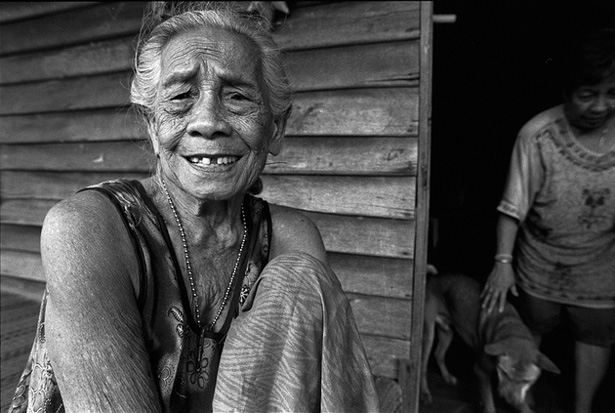
›“We are in the midst of a silent revolution,” said Ann Pawliczko, a senior technical advisor in the population and development branch at the United Nations Population Fund (UNFPA), quoting former UN Secretary-General Kofi Annan. “It is a revolution that extends well beyond demographics, with major economic, social, cultural, psychological, and spiritual implications.”
-
Fourth Annual Call for Papers on Reducing Urban Poverty
›To encourage a new generation of urban policymakers and promote early career research, the Wilson Center’s Comparative Urban Studies Project, USAID, the International Housing Coalition, the World Bank, and Cities Alliance are co-sponsoring a fourth annual paper competition for graduate- and PhD-level students focused on the challenges facing urban centers in the developing world.
-
Behind the Numbers
Reproductive Health and Population Issues in the MDGs: An Interview With Stan Bernstein
›February 8, 2013 // By Wilson Center StaffStan Bernstein, a retired UNFPA senior policy adviser and former health adviser on the UN Millennium Project, recently attended the Seventh Annual Research Conference on Population, Reproductive Health, and Economic Development in Oslo, Norway. During the conference, Bernstein reflected on the presence of reproductive health and population issues among the Millennium Development Goals (MDGs) and their indicators. He also commented on prospects for including relevant reproductive health and population goals or indicators in the development agenda beyond 2015. Bernstein hailed the role of research from the PopPov network in the past and its potential contributions to future development agendas. He answers some questions for PRB below.
-
Malaria and Maternal Health: Treating Pregnant Women Reveals Need for Integration
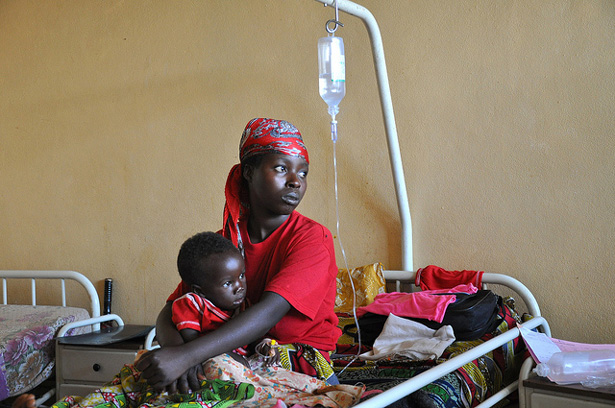
›Ten years ago, a study was conducted in Mozambique to determine the impact of a new medicine for pregnant women with malaria. Over 1,000 women participated in a controlled trial of intermittent preventative treatment with sulphadoxine-pyrimethamine – half received a placebo, the other half received the actual drug. All were given an insecticide-treated net.
-
Sam Loewenberg, The New York Times
Learning From Failure
›The original version of this op-ed, by Sam Loewenberg, appeared in The New York Times.
Americans love success stories. Go to the web sites of the United States Agency for International Development, the Bill and Melinda Gates Foundation, or a plethora of global health and development organizations, and you’ll find articles, charts, and videos documenting their triumphs and innovations, with the promise of more on the way.
-
Setting Development Goals for Population Dynamics and Reproductive Rights
›“I’d like to start by stating emphatically that since addressing global inequality and inequity are our overall principles in revising the MDGs [Millennium Development Goals], we must focus on health inequities to have a meaningful and lasting impact on human development,” said Beth Schlachter of the State Department’s Bureau of Population, Refugees, and Migration, speaking at the Wilson Center on January 9. “And for the most vulnerable – women and girls – that means we must focus on sexual and reproductive health and reproductive rights.” [Video Below]
Showing posts from category gender.