-
After the Arab Spring, Challenges Intensify for Women in the Middle East and North Africa
›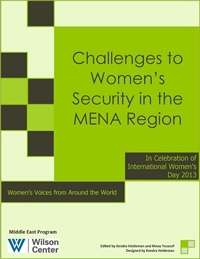
Excerpted below is the introduction, by Haleh Esfandiari, to Challenges to Women’s Security in the MENA Region. The full report is available for download from the Wilson Center’s Middle East Program.
On the occasion of International Women’s Day 2013, the Middle East Program at the Wilson Center invited a cross-section of women activists, politicians, academics, and entrepreneurs to give us their views on the challenges women face to their security. This publication, “Challenges to Women’s Security in the MENA Region,” includes pieces from 42 women from 20 countries, including the United States, Malaysia, Indonesia, and countries in the Middle East and North Africa (MENA) shared with us their concerns, disappointments, and hopes for women in the region.
-
International Women’s Day: Violence Pervasive, With Wide-Ranging Effects
›March 8, 2013 // By Kate Diamond
The theme of this year’s International Women’s Day is “a promise is a promise: time for action to end violence against women.” The theme reflects that although there are a number of treaties and conventions that on paper promise to protect women’s rights, equality, and security, in reality, those promises to protect human rights have been broken time and again.
-
Rebecca Fishman, WASH Advocates
New Water and Women’s Health Series by MHTF and WASH Advocates
›The original version of this article, by Rebecca Fishman, appeared on the WASH Advocates and Maternal Health Task Force blogs.
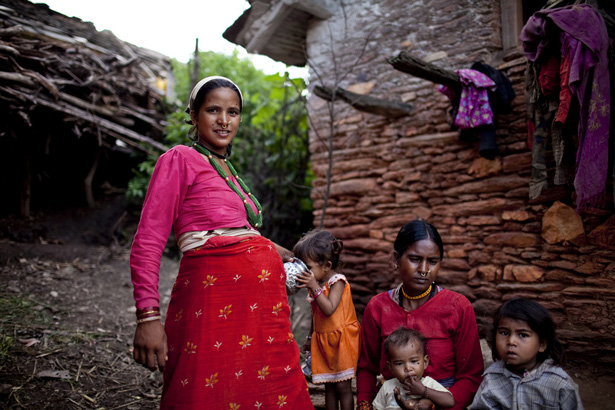
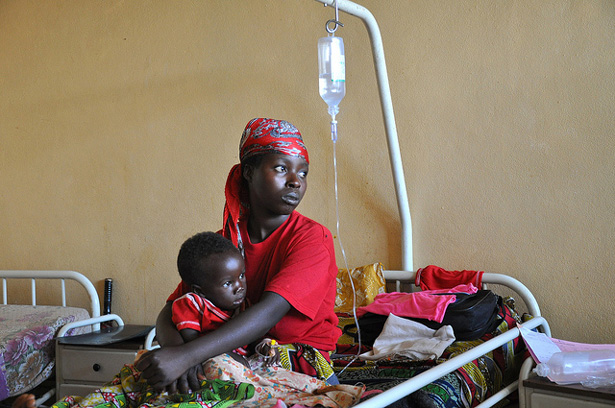
Access to clean water is not only one of the world’s most urgent health issues, but it is also a key to boosting progress in developing countries. Women and children are disproportionately affected by inadequate water, sanitation, and hygiene (WASH), and they shoulder the largest burden in collecting drinking water. What is more, when the needs of women and girls are not taken into account, the effects are felt far and wide, reaching across the education, health, security, and economic sectors. On the other hand, improving WASH can have positive impacts throughout a girl’s life and can even extend across generations. As we know, when women thrive, so do their communities.
-
Goldilocks Had It Right: How to Build Resilient Societies in the 21st Century
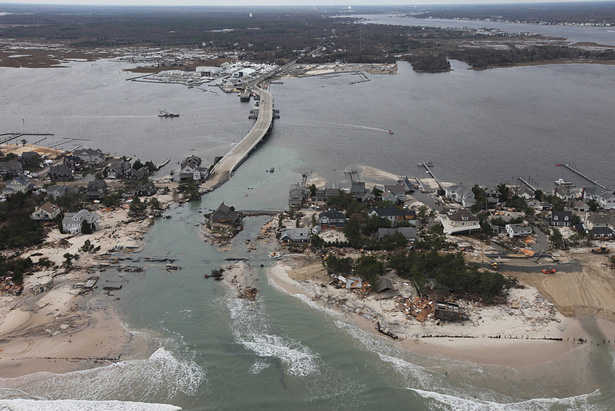
›March 5, 2013 // By Laurie MazurWhen Superstorm Sandy slammed into the U.S. East Coast last October, it was the latest in a series of “teachable moments” about our growing vulnerability to climate change.
-
Aging in the 21st Century: A Celebration and a Challenge
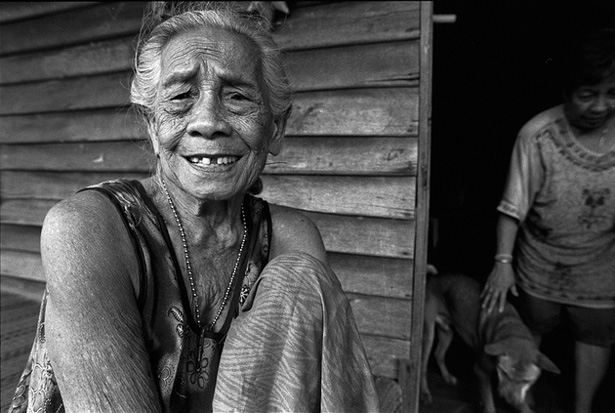
›“We are in the midst of a silent revolution,” said Ann Pawliczko, a senior technical advisor in the population and development branch at the United Nations Population Fund (UNFPA), quoting former UN Secretary-General Kofi Annan. “It is a revolution that extends well beyond demographics, with major economic, social, cultural, psychological, and spiritual implications.”
-
Fourth Annual Call for Papers on Reducing Urban Poverty
›To encourage a new generation of urban policymakers and promote early career research, the Wilson Center’s Comparative Urban Studies Project, USAID, the International Housing Coalition, the World Bank, and Cities Alliance are co-sponsoring a fourth annual paper competition for graduate- and PhD-level students focused on the challenges facing urban centers in the developing world.
-
Behind the Numbers
Reproductive Health and Population Issues in the MDGs: An Interview With Stan Bernstein
›February 8, 2013 // By Wilson Center StaffStan Bernstein, a retired UNFPA senior policy adviser and former health adviser on the UN Millennium Project, recently attended the Seventh Annual Research Conference on Population, Reproductive Health, and Economic Development in Oslo, Norway. During the conference, Bernstein reflected on the presence of reproductive health and population issues among the Millennium Development Goals (MDGs) and their indicators. He also commented on prospects for including relevant reproductive health and population goals or indicators in the development agenda beyond 2015. Bernstein hailed the role of research from the PopPov network in the past and its potential contributions to future development agendas. He answers some questions for PRB below.
-
Malaria and Maternal Health: Treating Pregnant Women Reveals Need for Integration
›Ten years ago, a study was conducted in Mozambique to determine the impact of a new medicine for pregnant women with malaria. Over 1,000 women participated in a controlled trial of intermittent preventative treatment with sulphadoxine-pyrimethamine – half received a placebo, the other half received the actual drug. All were given an insecticide-treated net.
Showing posts from category gender.