-
Cat Lazaroff, Resource Media
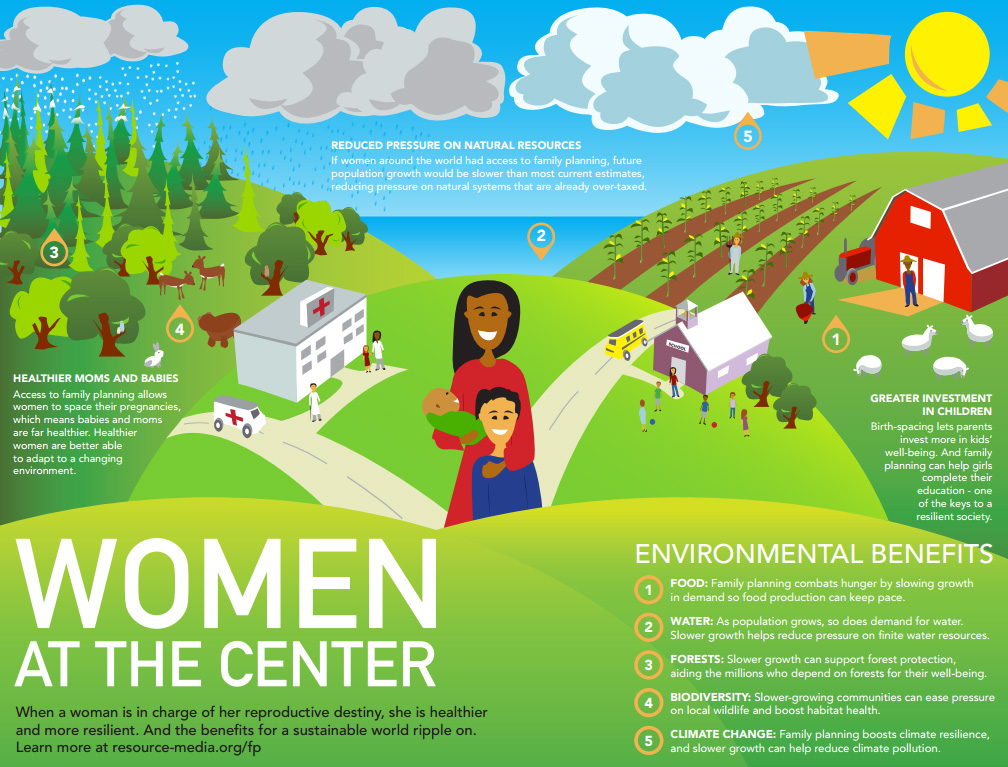
Infographic: Women, Reproductive Health at the Center of a Sustainable Future
›
The original version of this article, by Cat Lazaroff, appeared on Resource Media.
What does family planning have to do with Earth Day? More than you might think. Family planning gives women and families the tools they need to decide whether and when to have children – and that, quite literally, can mean the world.
-
Linking Governance and Positive Maternal Health Outcomes in Africa
›
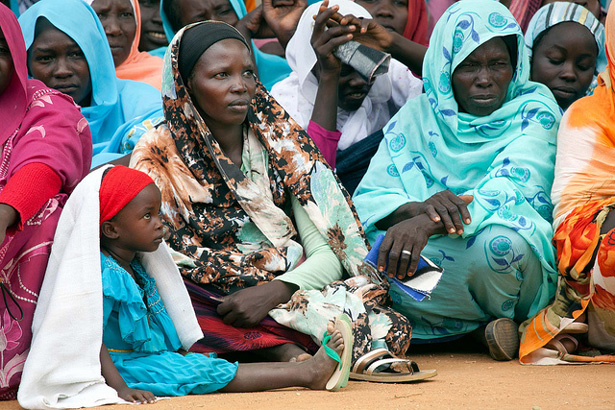
Sub-Saharan Africa is perhaps the riskiest place for a woman to give birth. According to the United Nations Population Fund (UNFPA), African women comprise approximately 56 percent of the maternal deaths and 91 percent of HIV-related maternal deaths worldwide every year. In order to bring life into this world, women in Africa literally must put their own lives on the line.
-
On Building a Better (and More Resilient) World: Complexity, Community, and the Precautionary Principle
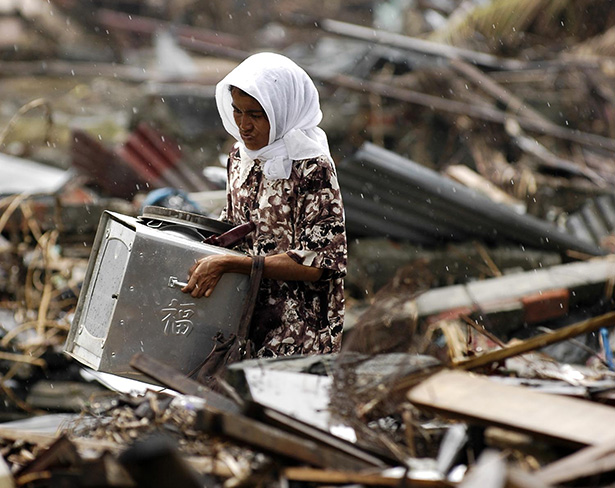
›April 3, 2013 // By Laurie MazurFrom the 2004 Indian Ocean tsunami to Superstorm Sandy, the last decade has seen an incredible array of natural disasters. Of course, disasters of all kinds are nothing new, but, thanks to the growing scale and interconnectedness of the human enterprise – and the damage we have done to the natural world – the frequency, scale, and consequences of today’s calamities are truly without precedent.
-
Making ‘Healthy People, Healthy Environment’: A Look Inside Integrated Development
›“We need dynamic approaches. We can’t just keep going with the single sector approach and hoping that a conservation project will do really more than it’s intended to do,” said ECSP’s Multimedia Editor Sean Peoples in an interview with Dialogue at the Wilson Center. “These people are living integrated lives. How can we have integrated solutions for them?”
-
Carl Gierstorfer, Pulitzer Center on Crisis Reporting
River Erosion a Push Factor for India’s Bride Trafficking
›March 27, 2013 // By Wilson Center StaffThe original version of this article, by Carl Gierstorfer, appeared on the Pulitzer Center on Crisis Reporting.
After spending almost two weeks in India’s northwestern state of Haryana, the destination for many trafficked brides, we decided to head to the source area. It lies two hours by plane to the east, in the lush green hills of Assam. Here, as well as in the surrounding states of West Bengal, Bihar, and Nagaland, many women are trafficked from the towns and villages to live the lives of slaves more than a thousand miles away from their homes.
We wanted to find out why.
-
Kaja Jurczynska, Population Action International
222 Million vs. 233 Million: Measuring Global Unmet Need for Contraception
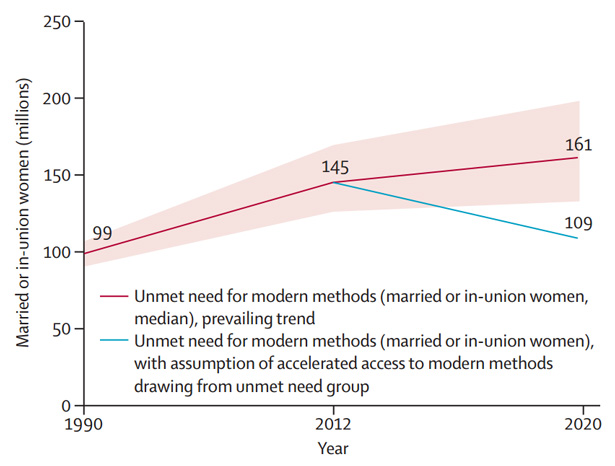
›March 21, 2013 // By Wilson Center StaffLast week, a new study out of The Lancet projected that in 2015, 233 million married or in-union women worldwide will have an unmet need for modern family planning.
-
Demographic Dividend and the Rise of the Global South
›The Global South is “radically reshaping the world of the 21st century, with developing nations driving economic growth, lifting hundreds of millions of people from poverty, and propelling billions more into a new global middle class,” says the United Nations Development Program’s (UNDP) 2013 Human Development Report, released yesterday. “More than 40 developing countries have made greater human development gains in recent decades than would have been predicted.”
-
The Demographic Dividend in Lower-Income Countries and Global Reproductive Rights Laws
›Many of the fastest growing countries in the world today are also the poorest. A recent bulletin from the National Transfer Accounts Project, “Lower Income Countries and the Demographic Dividend,” examines what it takes for lower-income countries to experience a demographic dividend and the economic growth associated with that period. Achieving the demographic dividend is dependent on a country achieving low fertility rates, which, when coming from a period of high growth, temporarily increases the ratio of the working-age population to dependents, like children and the elderly. For lower-income countries to do this, the report recommends that policymakers invest in healthcare and education programs and focus on boosting the labor force participation rate. Looking forward, the report advises that it is not too early for lower-income countries to begin developing social security and pension programs to support the latter stages of the demographic transition too.
Showing posts from category gender.