-
Africa in Transition: Highlights from a Conversation on Investing in Youth for Economic Prosperity
›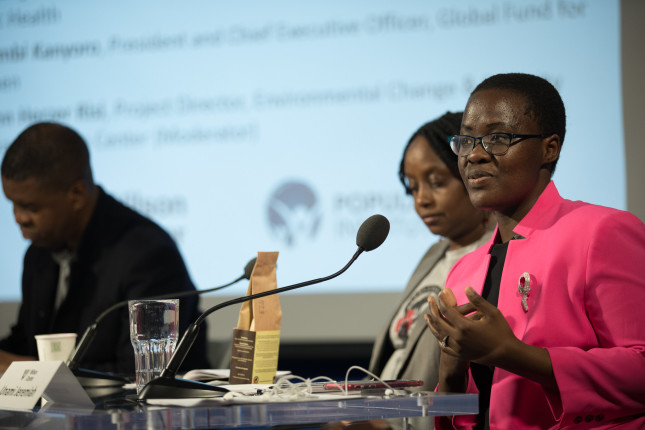
Africa in Transition, a new series hosted by the Wilson Center and the Population Institute, explores the role of population trends—migration, urbanization, fertility, maternal mortality—in shaping sub-Saharan Africa’s chances for prosperity, health, and security. In this podcast, we share highlights from the first Africa in Transition event. Parfait Eloundou-Enyegue, Professor at Cornell University, starts the conversation by reminding us that “African countries are in the middle of multiple transitions that have the potential to create opportunities for prosperity, growth, and increased human capital, but also to create greater inequality. The challenge, therefore, is to build prosperity, but to do it for all.”
-
Healthy Women, Healthy Economies: A Look at Brazil (New Report)
›
“Globally, women face obstacles to entering, advancing in, and remaining in the workforce as a result of gender discrimination, harassment, and a lack of supportive, gender-sensitive policies.” – Healthy Women, Healthy Economies: A Look at Brazil
In Healthy Women, Healthy Economies: A Look at Brazil, Sarah B. Barnes, Project Director of the Maternal Health Initiative, and Elizabeth Wang, Maternal Health Initiative Intern, discuss the intersections of women’s health and well-being and their economic empowerment. The report also takes a look at current progress and remaining barriers to female participation in Brazil’s workforce.
-
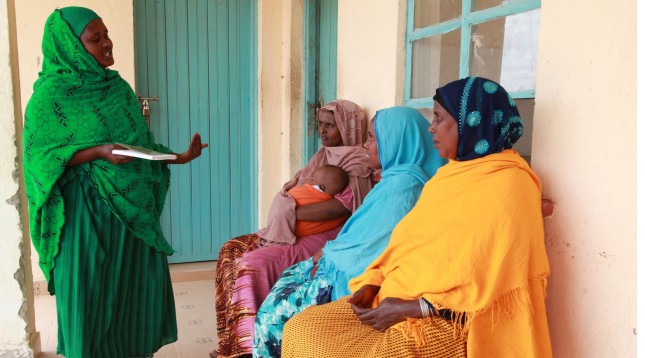
The Path to Self-Reliance: Building Community Health
›“We recognize that what we’re talking about is a journey, but we also recognize that people have dreams for themselves and what this is about is helping them achieve those dreams,” said Ellen Starbird, Director of the Office of Population and Reproductive Health at USAID, at a recent Wilson Center event about the importance of community health systems, with a particular focus on voluntary family planning and infectious disease prevention. This two-panel event focused on how USAID’s Advancing Partners & Communities (APC) project worked together with communities and partners to strengthen health systems and to support countries on the journey to self-reliance said Starbird.
-
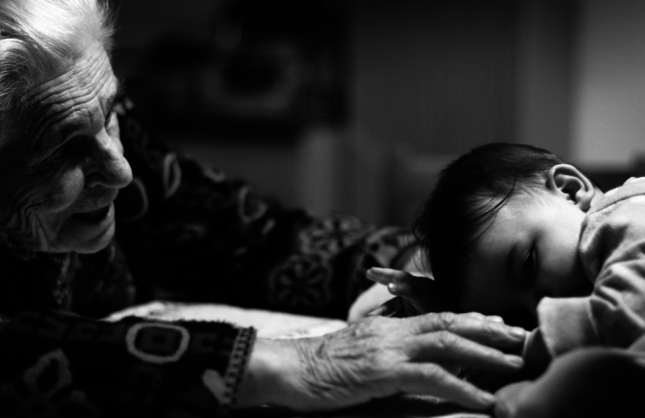
Without Migrants, Who Will Take Care of You?
›The ongoing crisis at our southern border is exacerbating another, less visible, one—the crisis in elder and childcare in the United States. With baby boomers aging and more parents of young children working outside the home, our country’s need for non-familial caregivers is skyrocketing. Carework is growing five times faster than any other sector in our economy; in fact, it is set to become the largest paid occupation in the U.S. by next year. While US citizens are not keen to take these jobs, migrants, especially women, are. But the current bottleneck—not just at the border but throughout our immigration system—is slowing down the flow of these vital workers.
-
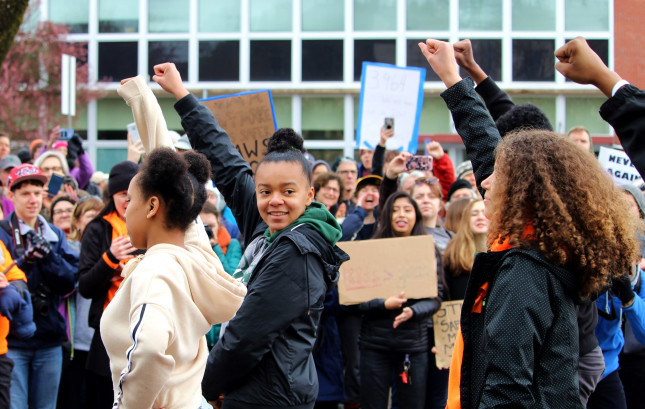
ICPD at 25: Unfinished Business Points to Unmet Needs
›“The ICPD (International Conference on Population and Development) Programme of Action is a promise. A promise that was made 25 years ago to young people, the intention of which was to give young people hope—hope that their rights, their needs, and their demands would be met,” said Kobe Smith, Vice President of the Youth Advocacy Movement at International Planned Parenthood Federation/ Western Hemisphere Region, at a recent Wilson Center event. This year marks the 25th anniversary of ICPD in Cairo.
-
The Care Knot: Untangling Women’s Rights and Responsibilities
›“We were all working mothers,” writes American journalist Megan Stack in her recent New Yorker piece about raising two children in India. The women who helped shape her thinking and cleared the way for her writing were migrants who left their own children behind to lovingly care for hers. “We spun webs of compromise and sacrifice and cash, and it all revolved around me—my work, my money, my imagined utopias of one-on-one fair trade that were never quite achieved,” she writes.
-
The Juggling Act of Caregiving: Balancing Career, Health, and Gender Roles (New Report)
›“Caregiving for the young, elderly, sick, and disabled is a necessary part of human existence, but is often undervalued and excluded from policy agendas.” –The Juggling Act of Caregiving: Balancing Career, Health, and Gender Roles
In The Juggling Act of Caregiving: Balancing Career, Health, and Gender Roles, Sarah B. Barnes, Project Director of the Maternal Health Initiative, describes the role of, the trends surrounding, and the challenges associated with caregiving in the United States.
-
Where Life Begins: Reducing Risky Births in a Refugee Camp
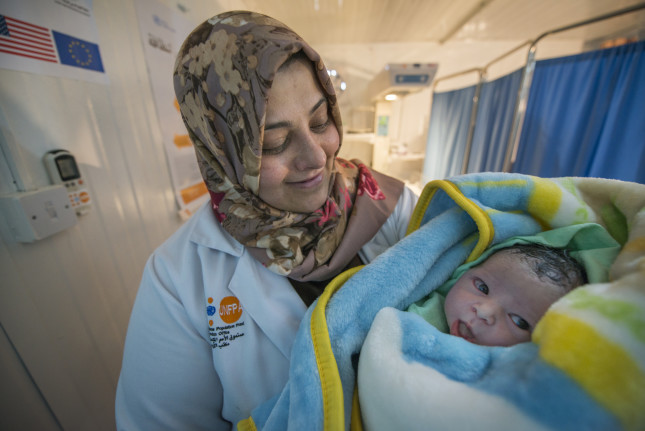
›Zaatari camp, the largest Syrian refugee camp in the world, sits less than 12 kilometers away from the border between Syria and northern Jordan. Rows of houses disappear into the desert, making it hard to tell where the camp begins and ends. Metal containers pieced together like patchwork are home to around 80,000 refugees. The remnants of tattered UNHCR tents cover holes in the walls. Almost seven years after the camp opened, this dusty sea of tin roofs has evolved into a permanent settlement.
Showing posts from category gender.