-
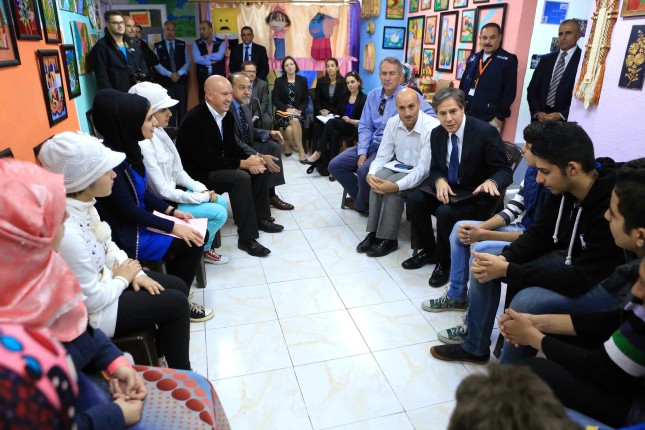
One Year Later: An Interview with Ukrainian Member of Parliament, Kira Rudik
›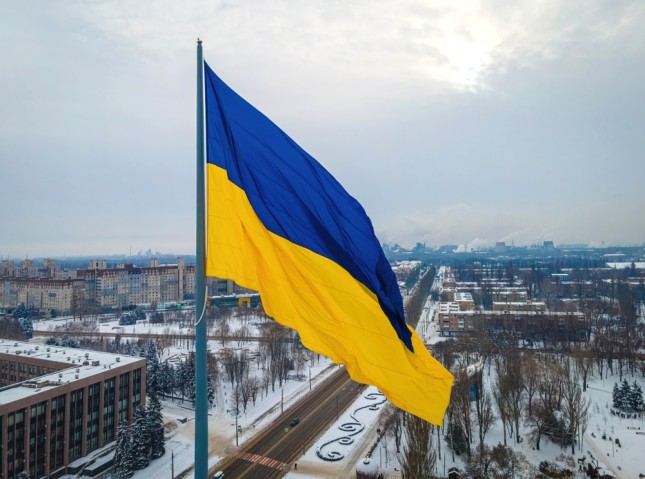
Nearly a year ago, after Russia’s invasion of Ukraine, the Wilson Center’s Sarah B. Barnes spoke with Member of Parliament Kira Rudik about the impact of the war on Ukraine’s women and children. Barnes and Rudik spoke again a few days ago, as the first anniversary of the conflict approached. Their conversation touched on the current state of the war, including impacts on infrastructure, the ongoing refugee crisis, schooling for Ukraine’s children, and retaining Ukraine’s heritage.
-
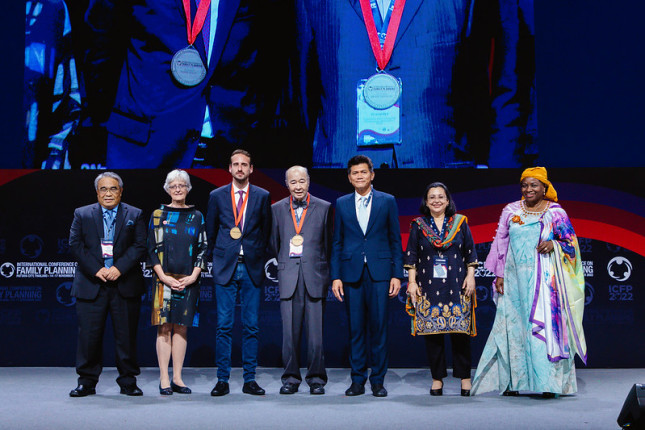
Planning, Pleasure, and Progress: How ICFP 2022 Advanced the Family Planning Dialogue
›
The sixth International Conference on Family Planning (ICFP) held in Pattaya, Thailand in November 2022 offered an important reason for celebration: tens of millions more people are using a modern method of family planning now than were doing so when the first ICFP was held in London ten years ago. How has this happened? One key reason is that governments, corporations, non-governmental organizations, and donors globally are taking steps to advance reproductive freedom through providing voluntary family planning.
-
Diversity, Equity, Cities: Reshaping Foreign Affairs for a New Era
›One can see—and feel—tides shifting significantly on numerous fronts across the globe, especially in the area of climate security. Opportunities and challenges abound—especially for urban communities.
But are those who shape and carry out U.S. foreign policy ready for these extraordinary changes? And how can the growing movement to integrate diversity, equity, inclusion, and accessibility (DEIA) become vital in U.S. foreign affairs?
-
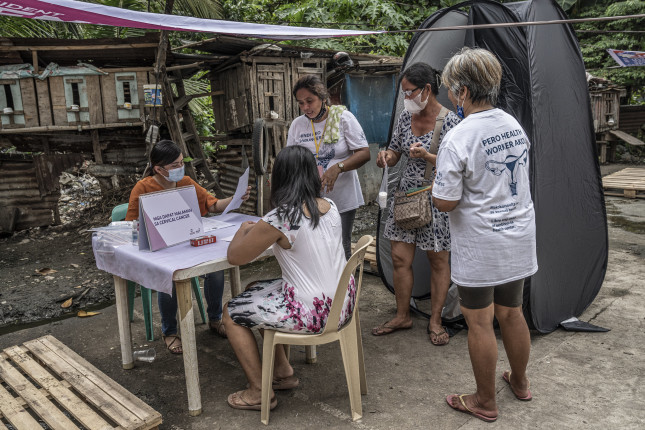
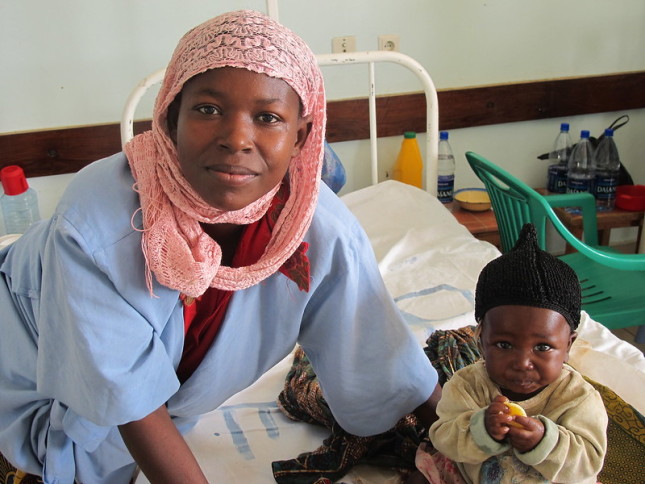
What Will it Take to Actually Eliminate Cervical Cancer?
›We have all the tools we need for the elimination of cervical cancer, a largely preventable cancer that annually kills more than 300,000 women worldwide—the vast majority in low- and middle-income countries.
-
Cancer and the Kali Yuga: Gender, Inequality, and Health in South India (Book Launch)
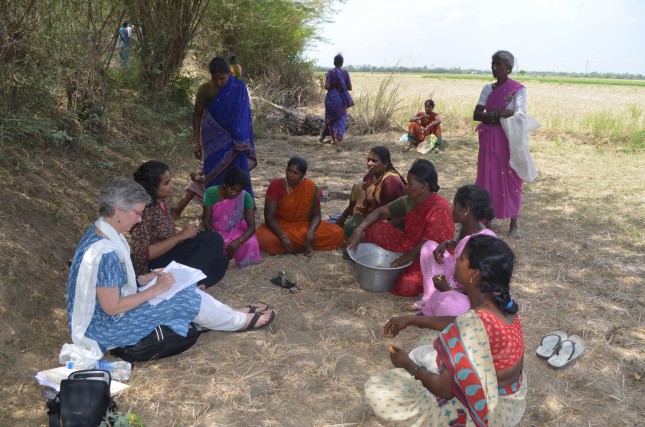
›Under the narrow shade of our umbrellas, a community health worker from a local NGO and I walked along a dirt path to the edge of some paddy fields in a village in Tamil Nadu, South India in the summer of 2015. There we met a group of Dalit (oppressed-caste) women who were squeezed together under a clump of trees on a small strip of raised land between two fields.
The summer of 2015 was one of the hottest on record in South India at that time, with temperatures consistently above 40ºC (104ºF) every day. Rains which should have begun to arrive had not come by mid-July. These women were hoping to be called for daily agricultural wage labor in the fields, and they had taken refuge under the shade while they waited. They had been waiting all morning with no work available; it had been the same for several days because there was a drought and the crops were failing.
-
Top 5 Dot-Mom Guest Contributor Posts in 2022
›In 2022, the Dot-Mom column published several pieces from expert guest authors from the greater maternal and reproductive health community. In our top read guest contributor piece of the year, Susie Jolly examined the role of colonialism in sexuality education globally. Jolly highlighted examples where sexual health knowledge is built on unethical medical research carried out on racialized people, such as the study of untreated syphilis among Black men in the United States. Sexuality educators, especially those placed in the Global North, have a responsibility to work to decolonize their work. Jolly suggests supporting resources led by marginalized people, critically examining colonialism’s influence in the understanding of sexuality, and shifting the dynamics of who decides on content to lend more weight to non-Western expertise and young people learning from their own experiences.
-
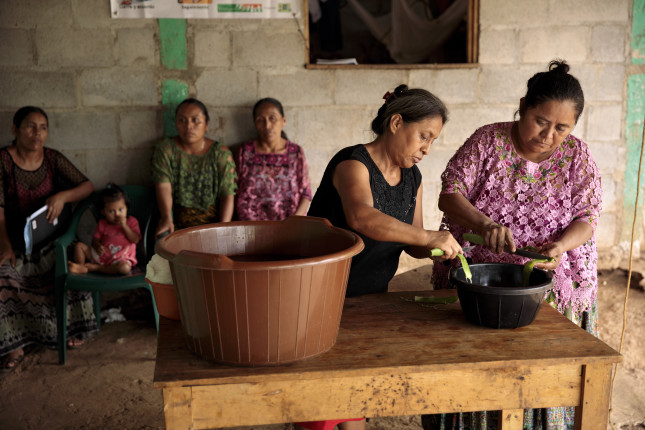
Guatemala’s Western Highlands: Addressing Gendered Vulnerability to Climate Change
›The Population Institute’s recent report, Invisible Threads: Addressing the root causes of migration from Guatemala by investing in women and girls, has brought attention to the numerous factors that drive migration in Guatemala. One of the key factors addressed in the report is climate change, which is linked closely to issues concerning land in that country. To this day, multiple generations of indigenous women endure the effects of land displacement and inequities in access to land—as well as related social and economic pressures. In concert with other political, social, and economic problems, this particular challenge has resulted in large outflows of migrants from the region.
-
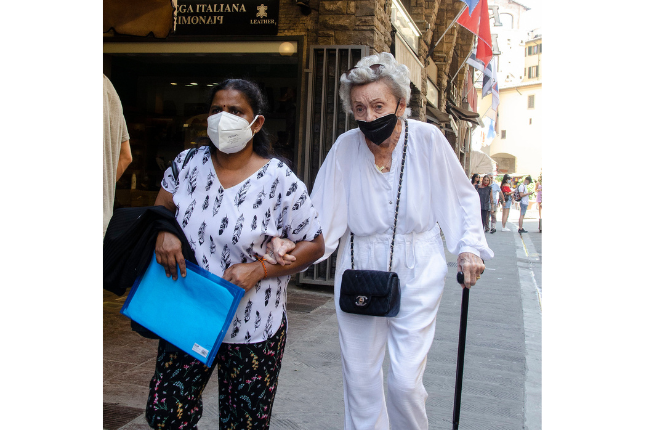
New Global Health & Gender Policy Brief: Migrant Care Workers and Their Families
›Migrant care work is a key component of the ongoing global care crisis. The global care economy is critical to overall economic growth, and also affects gender, racial, and class and caste equity and empowerment. Caregiving is also the fastest-growing economic sector in the world—projected to add 150 million jobs by 2030. Global societal changes, like low birth rates, demographic aging, and an increase in female labor force participation, are basic drivers of the continued growth of this sector. But because in many cultures care work is considered “instinctive” for women—a type of work not requiring skill—it has remained virtually invisible, unpaid or underpaid and unregulated. It is also often stigmatized, especially when relegated to already marginalized and underrepresented populations.
Showing posts from category gender.