-
Uganda’s Anti-Homosexuality Act: Criminalization’s Impact on HIV and AIDS Response
›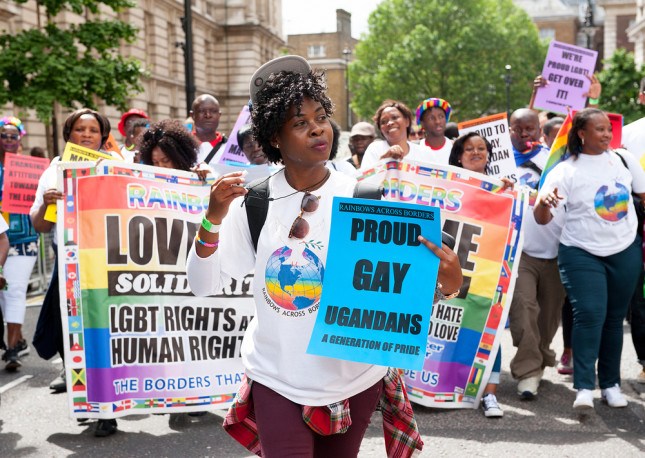
Four months ago, the resident medical officer at the HIV and AIDS clinic in Kampala, Uganda reported that the clinic treated up to 50 patients a day. Now, the clinic is relatively empty, and supplies of antiretroviral therapy (ART) pile up, unused.
-
New Global Health & Gender Policy Brief: The Global Burden of Stillbirths
›
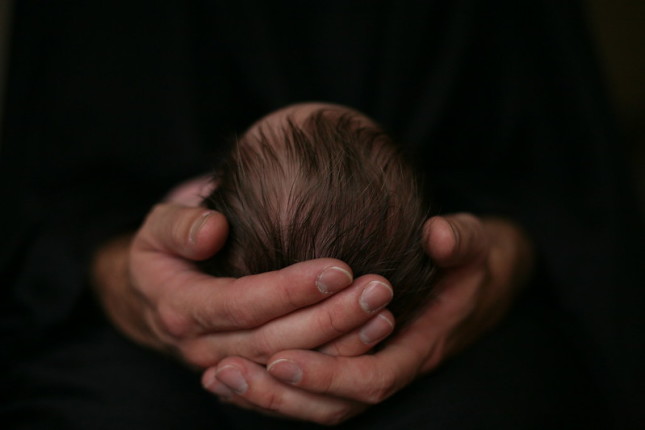
In 2021, 1.9 million stillbirths occurred globally. A baby who dies at or after 28 weeks of pregnancy,* and is born with no sign of life is classified as a stillbirth. Stillbirths can be caused by pregnancy and childbirth-related complications, like hemorrhage, placental abruption, and pre-eclampsia; maternal infections during pregnancy, including malaria and sexually transmitted infections; prolonged pregnancy to 42 weeks or more; and pre-existing health conditions. Other risk factors include maternal age and smoking during pregnancy.
-
Midwives Lead the Way: The 5th Global Midwifery Symposium
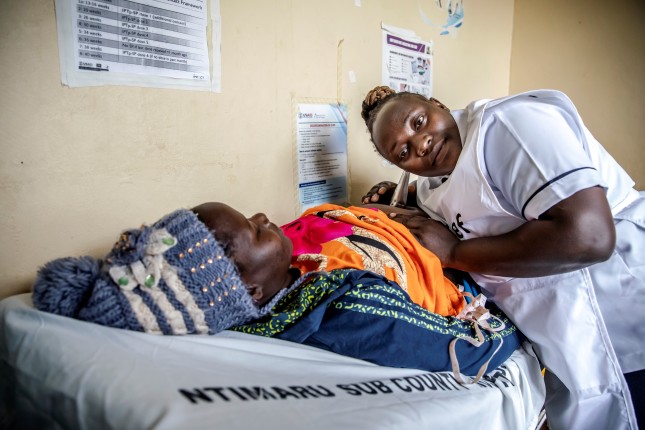
›Midwives play a central role in maternal and newborn health. So, it is fitting that their efforts took the spotlight at a two-day event – The 5th Global Midwifery Symposium – held during the first ever International Maternal and Newborn Health Conference (IMNHC) in May 2023 in Cape Town, South Africa.
-
Gender-Based Violence in Kenya’s Fisheries: Finding Structures and Solutions
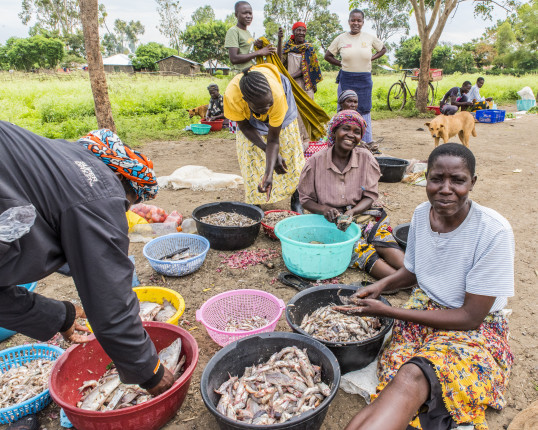
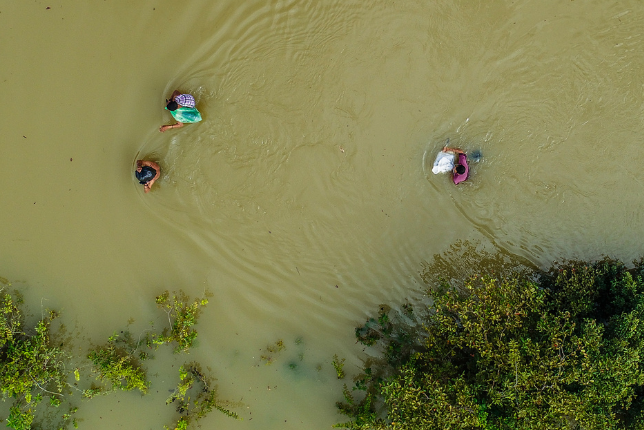
›On the edge of beautiful, blue ocean waters in coastal Kenya’s Kilifi County, boats float on the surface of fish landing sites. The fish-eating birds in flight above the boats are a breathtaking sight—and they immediately elicit a sense of tranquility.
Over the past few months, I have traveled to various fish landing sites in Lake Victoria and on Kenya’s coast to continue my research on socioeconomic factors leading to the exclusion of women in the fisheries sector.
-
Delivering Dignity: The Importance of Respectful Maternity Care
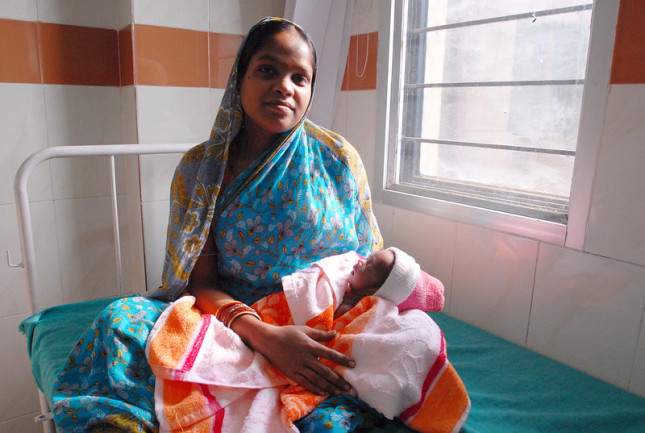
›Women who are treated with respect and dignity during childbirth are more likely to have positive birth experiences, feel empowered to make informed decisions about their care, and have better health outcomes for themselves and their newborns.
-
Addressing the Converging Risks of Climate, Insecurity, and Migration in Central America
›May 19, 2023 // By Claire DoyleThe idea of climate change as a “threat multiplier” has been gaining steam since it was first proposed roughly 15 years ago. This framing acknowledges that climate can interact with existing political, social, and demographic conditions to heighten communities’ security risks—which in turn suggests that problem-solving in the face of these risks must be interdisciplinary.
-
Why We Must Include Pregnant People in Clinical Trials: The Case of the COVID-19 Vaccine
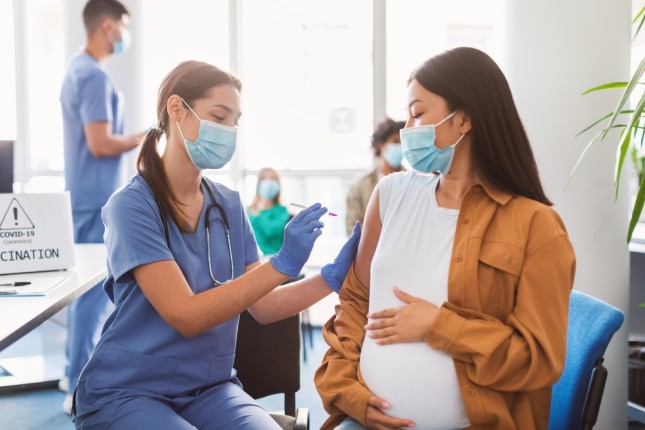
›Of the more than 4 million pregnant people in the United States annually, 90 percent report taking at least one medicine during pregnancy, and about 50 percent receive the influenza or tetanus toxoid/reduced diphtheria toxoid/acellular pertussis (Tdap) vaccines. Yet 69 percent of clinical trials conducted in the United States explicitly exclude enrollment of pregnant people.
-
8 Billion and Counting: Rethinking Rhetoric on Population and Choice
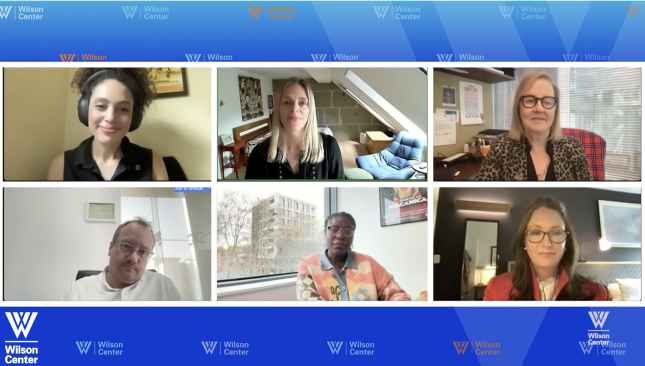
›The United Nations Population Fund (UNFPA) 2023 State of the World Population (SWOP) Report offers a chance to reflect on what’s at stake in debates over global population. “The question is not whether the human population is too large or too small. The question is whether everyone can exercise their fundamental human right to choose the number and spacing of their children,” said Sarah Craven, Chief of the Washington Office of UNFPA at the virtual D.C. launch of the report at the Wilson Center on April 26, 2023.
Showing posts from category gender.