-
UNEP Highlights Environmental Impacts on Health in Africa
›March 20, 2013 // By Carolyn Lamere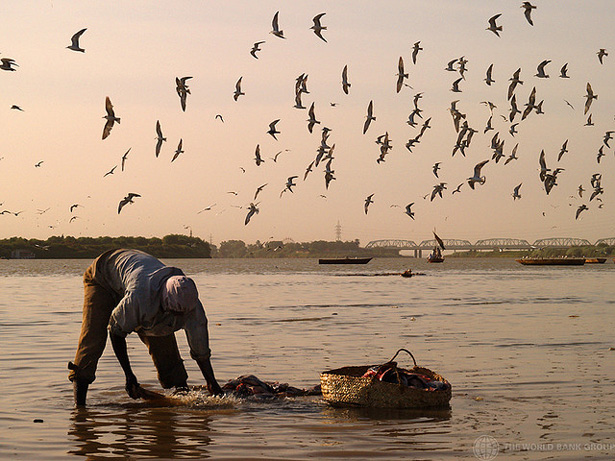
While it can be convenient to think of human health and the environment as unrelated silos, they are in fact closely related. The United Nations Environment Program (UNEP) recently released a report underscoring this point especially for Africa, where large numbers of people are directly reliant on natural resources for their livelihoods.
-
Peter Thomson on the Big International Environment and Energy Stories of 2013
›
Increasing energy demands around the world will mean a continuing focus on other fuel sources and climate change, said Peter Thomson of PRI’s The World, including the use of coal in countries like China and the safety of hydraulic fracturing and nuclear power. Other areas to watch include water, agriculture, and possible tipping points like dieback in the Amazon rainforest.
-
Michael D. Lemonick, Climate Central
U.S. Federal Climate Assessment: Energy, Water, Land Intertwined and Threatened
›January 31, 2013 // By Wilson Center StaffThe original version of this article, by Michael D. Lemonick, appeared on Climate Central.
Water resources, energy, and land use are so mutually dependent that climate-related disruptions to any one of them could lead to economically devastating ripple effects – especially as a growing population puts increasing strains on all three. That’s one conclusion of a recent report issued by a federal advisory committee charged with assessing how climate change has already affected the U.S., and what the future holds.
-
Jonathan Pincus, Foreign Policy
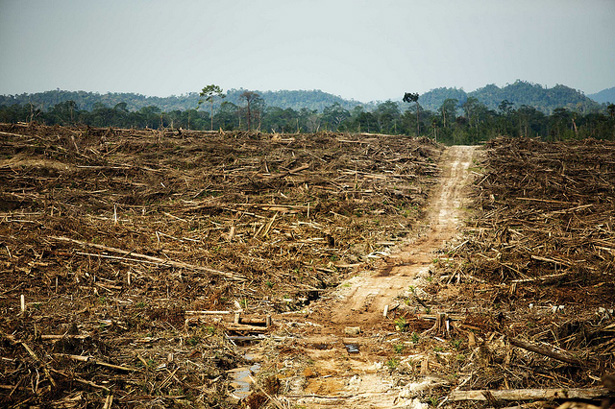
Indonesia: Stop Chopping, Start Learning
›January 24, 2013 // By Wilson Center StaffThe original version of this article, by Jonathan Pincus, appeared on Foreign Policy.
The Indonesian economy, which for so long had been an also-ran in the Asian growth derby, is getting good press these days. There’s no mystery why. While much of the world is struggling in the aftermath of the global financial meltdown, Indonesia continues to post annual economic growth rates in excess of six percent. What’s more, public debt is now less than 25 percent of GDP – down from 96 percent in 1999. And it is still falling relative to GDP: The budget deficit is only about two percent of GDP, among the lowest in the region.
-
Rachel Yavinsky, Behind the Numbers
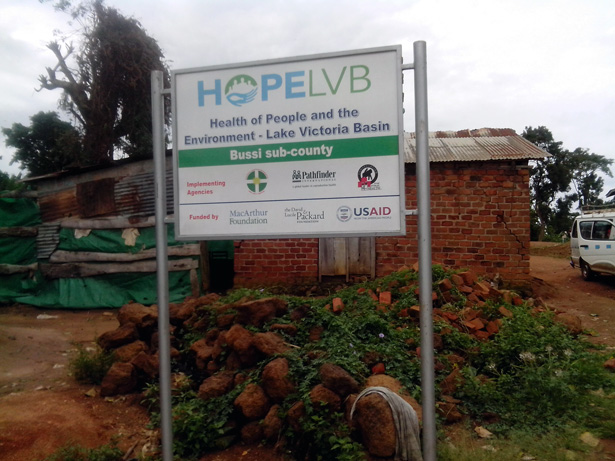
Energy-Saving Stoves and Family Planning Benefit Women and Families in Rural Uganda
›January 23, 2013 // By Wilson Center StaffThe original version of this article, by Rachel Yavinsky, appeared on the Population Reference Bureau’s Behind the Numbers blog.
After 45 minutes on Lake Victoria in a wooden fishing boat, my PRB colleague and I arrived on Busi Island, one of the Ugandan sites of the HOPE-LVB (Health of People and the Environment – Lake Victoria Basin) project. PRB, who partners on this project, came to Busi Island to see HOPE-LVB in action.
-
Seven Ways Seven Billion People Affect the Environment and Security (Policy Brief)
›The Wilson Center Policy Briefs are a series of short analyses of critical global issues facing the next administration that will run until inauguration day.
Seven billion people now live on Earth, only a dozen years after the global population hit six billion. But this milestone is not about sheer numbers. Demographic trends will significantly affect the planet’s resources and people’s security.
-
Managing Mountains for Ecological Services and Environmental Security
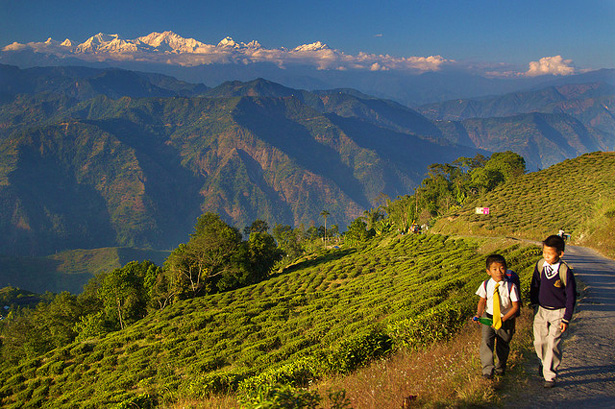
›High mountain regions face grave environmental challenges with climate change impacts already as severe as any place on earth. Temperature increases are expected to be greater at higher altitudes than at sea level, and glaciers and snowfields are retreating in many areas, increasing the risk of catastrophic glacial lake outburst floods, affecting fresh water supplies for hundreds of millions of people, and exacerbating territorial and natural resource disputes.
-
Super Typhoon Bopha Shows Why Developing Countries Are Most Vulnerable to Climate Change
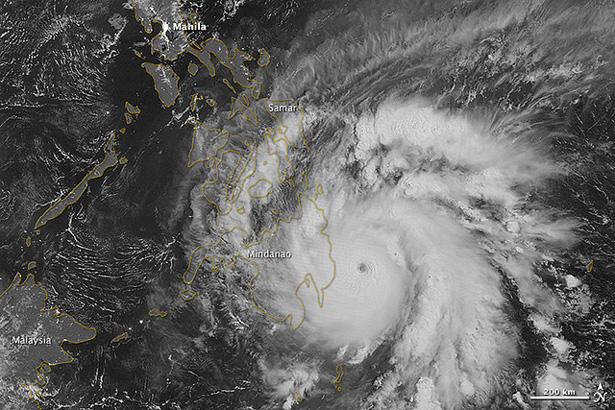
›January 15, 2013 // By Carolyn LamereIf Hurricane Sandy was a wake-up call for many in the United States to the kind of extreme weather that climate change is expected to bring, Typhoon Bopha, which struck the Philippines a month later, is a reminder of what makes developing regions even more vulnerable to these changes.
Showing posts from category forests.