-
Building Stability in the Middle East: Defining a Transatlantic Agenda for Climate Resilience
›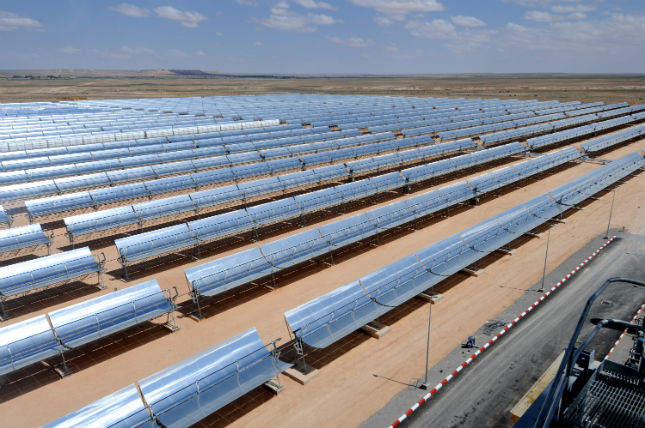
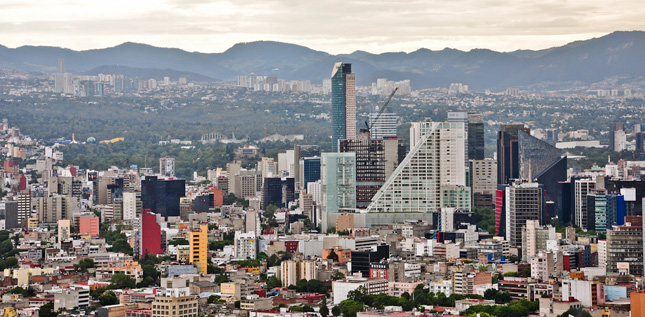
Climate change can undermine stability in the Middle East and North Africa, where both the United States and Europe have critical foreign policy and security interests. The Middle East and North Africa (MENA) region “is impacted by climate and resource scarcity risks now, in the medium, and in the long term,” said Nick Mabey, director and chief executive of the environmental think tank E3G, during a recent Wilson Center event on building climate resilience in MENA countries. “It’s a region that is highly vulnerable to climate change,” said Mabey, and “also incredibly vulnerable to global systems.”
-
Cities After Paris: The Role of Subnational Actors in Achieving International Goals
›
As the climate changes, cities will suffer. “These are important places that have a lot of people, property, and local economies that are going to struggle,” said Jessica Grannis, the adaptation program manager at Georgetown’s Climate Center, at a recent Wilson Center event on the role of subnational decision-makers in achieving international goals. “The good news is that, here in the United States, many cities are recognizing these threats to their people and populations, and they’re beginning to take action,” said Grannis.
-
The Arctic: In the Face of Change, an Ocean of Cooperation
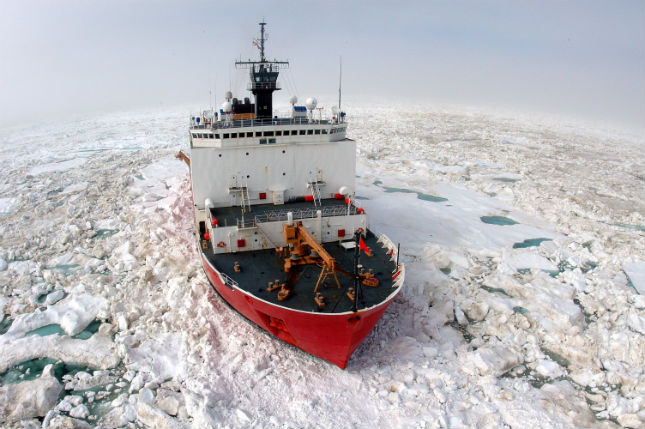
›“The United States and Russia… have found ways to continue to cooperate in the Arctic—particularly, but not only—through the Arctic Council, despite the difficulties on other issues relating to other parts of the world,” said Ambassador David Balton, deputy assistant secretary for oceans and fisheries at the U.S. Department of State at a recent Wilson Center forum on the Arctic.
-
Dealing with Disasters: Invest in Communities to Realize Resilience Dividends
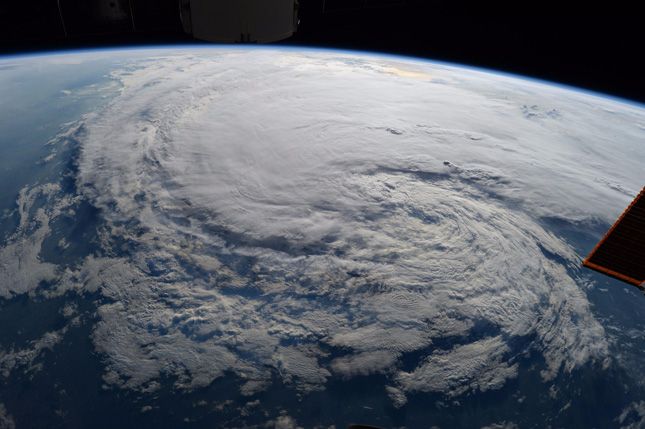
›September 27, 2017 // By Roger-Mark De SouzaThe 1-2-3 punch of hurricanes Irma, Harvey, and Maria has made it devastatingly clear that extreme weather events can and will destroy families, interrupt livelihoods, and tear apart communities, particularly in coastal and low-lying areas of vulnerable regions like the Caribbean and the United States.
-
Religion and Climate Diplomacy in Small Island Developing States
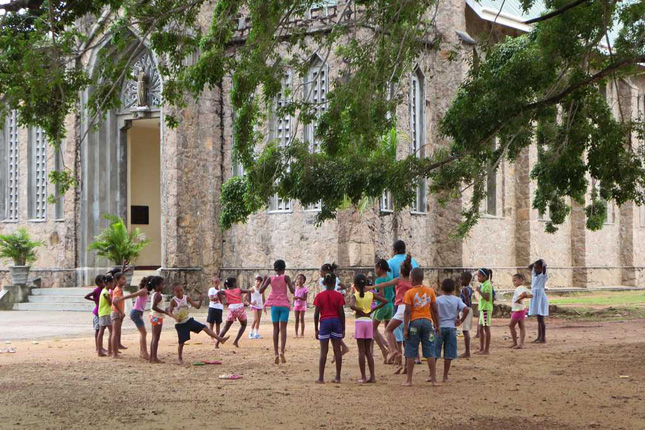
›Island states contribute only .03 percent to global emissions, but “nineteen major Caribbean cities are in the bullseye of the climate threat” and Pacific island states such as Kiribati and Tuvalu face an existential threat from sea level rise, said Selwin Hart, Barbados’ ambassador to the Organization of American States and the United States. At the same time, Small Island Developing States (SIDS) in the Pacific and the Caribbean are leading efforts to combat climate change, said experts at the Wilson Center on July 10.
-
Climate Variability, Water, and Security in El Salvador
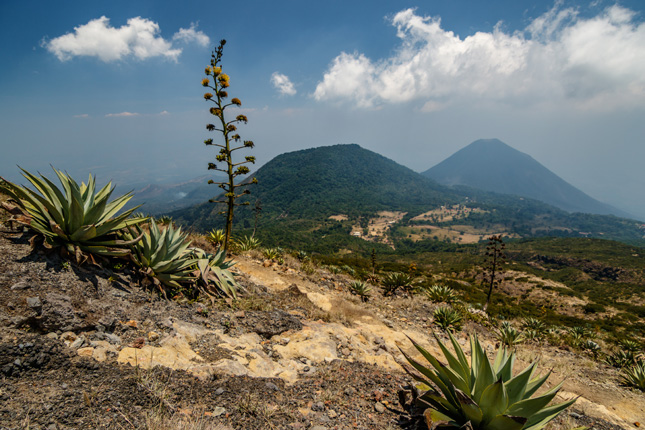
›Water-related challenges in El Salvador have acquired far greater significance over the past decade as they have intersected with other social problems including migration, criminal violence, and drug trafficking. When combined, these factors pose threats to domestic and regional stability. Damaging heavy rains, droughts, and rising temperatures are exacerbated by steadily intensifying El Niño oscillations and threaten the production of staple and export crops. The declining viability of rural livelihoods is driving many farming families to migrate to urban centers or across borders. Food security is a constant concern across the region, and millions already rely on humanitarian assistance. Infrastructure has been damaged repeatedly by floods and raging rivers. El Salvador can mitigate many of these risks by employing ecological landscape restoration. Improving the soil’s capacity to retain and regulate water will help maintain both agricultural and ecological viability.
-
Water Stress, Instability and Violent Extremism in Nigeria
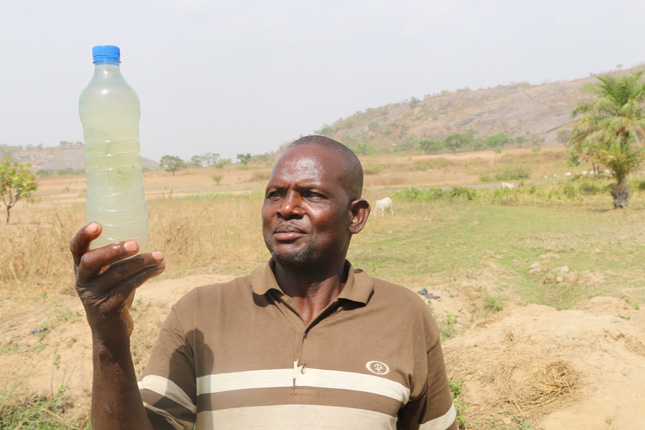
›Nigeria is ranked among the most fragile states in the world. The country faces significant water challenges, which vary greatly from one region to another. Weak governance exacerbates these water challenges, while conflicts over water resources make governance more difficult. There are three main geographical flashpoints where conflict over water is likely to break out. In the north and northeast, Boko Haram has waged a violent insurgent campaign since 2010; among their demands is government provision of clean water. In Nigeria’s Middle Belt, changing rainfall patterns are limiting the grazing area of Muslim Fulani herders, who then encroach on the land of predominantly Christian farmers. Conflict over these lands killed more Nigerians than Boko Haram in 2016. Finally, in the Niger Delta, militant groups are attacking oil infrastructure, partially motivated by conflict over rights to land and waterways. Oil spills also contribute to food insecurity and malnutrition in this region.
-
The Perils of Denial: Challenges for a Water-Secure Pakistan
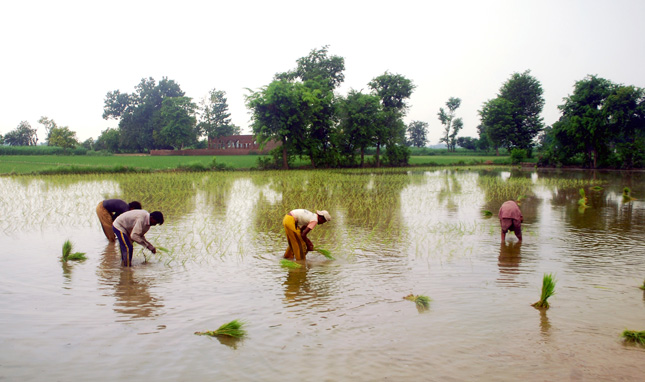
›Pakistan is South Asia’s fifth most vulnerable country in terms of water availability, and Karachi is the sixth most water-stressed city in the world. Predictions indicate that the country will face absolute water scarcity (insufficient water supply to meet demand) as soon as 2025. While population and demand for water steadily increase, freshwater quantity and quality are decreasing.
Showing posts from category foreign policy.