-
State of Population-Climate Change Research
› What is the future of population and climate change research, and how can this research impact international policy? In a special issue of Population and Environment, environmental and social scientists look at these questions. “One of the most exciting developments in the climate change research community at present is the development of a new generation of climate scenarios,” write Adrian C. Hayes and Susana B. Adamo in the introduction. These can help facilitate more interdisciplinary research.
 -
Lisa Palmer, Slate
Famine Is a Feminist Issue
›April 17, 2014 // By Wilson Center Staff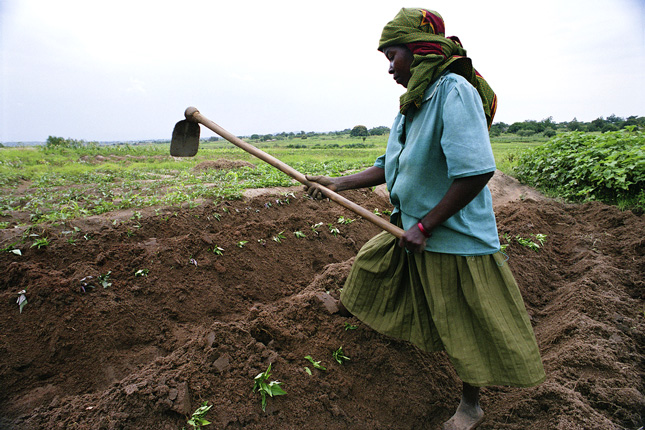
In 2013 the United Nations Population Division revised its population projections to show that population could grow even faster than previously anticipated, especially in Africa. Planning ahead for feeding a hot, hungry, teeming planet is both a numbers game and social venture. Calories, climate change, and acres of land are some of the factors on one side of the equation. The 7 billion people in the world, projected to grow to 9.6 billion by 2050, are on the other.
-
Forests on Film: New Stories From Nepal and the Congo Basin
›Given growing awareness about environmental change and how it affects human life, it is perhaps not surprising there is also a growing audience for environmental filmmaking. At the 2014 Environmental Film Festival in the Nation’s Capital on March 25, the Wilson Center premiered ECSP’s latest documentary, Scaling the Mountain: Protecting Forests for Families in Nepal. Together with Heart of Iron, a recent film on mining in the Congo Basin, the event took viewers into some of the world’s most remote forests to see how their inhabitants are adapting to rapid changes in the natural resources on which they depend.
-
Double Dividends: Population Dynamics and Climate Adaptation
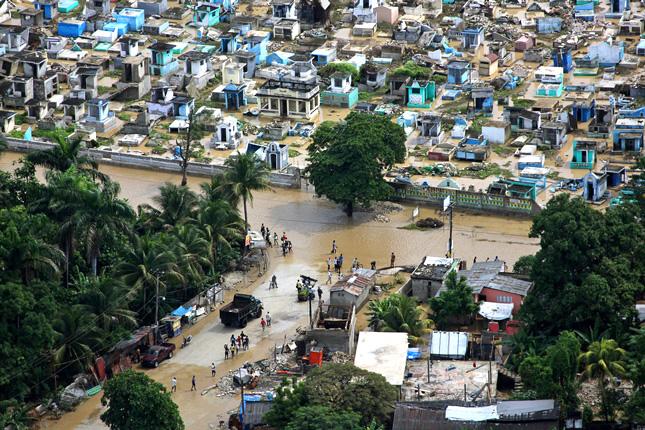
›If current projections hold, Africa’s population will more than double in 40 years, putting more people at risk of food, water, health, and economic insecurity as the climate changes, as well as negating progress made in reducing carbon emissions per person. But what if it didn’t? [Video Below]
-
High Food Prices an Unlikely Cause for the Start of the Arab Spring
›April 7, 2014 // By Richard CincottaJust months after popular uprisings toppled Tunisia and Egypt’s authoritarian regimes, a trio of complex-system researchers published a brief article linking these demonstrations with high levels of the UN Food and Agriculture Organization’s international Food Price Index. Marco Lagi, Karla Bertrand, and Yaneer Bar-Yam’s model, which predicts outbreaks of deadly social conflict when the index tops 210, has since become a popular explanation wielded by many for bouts of popular unrest, including the Arab Spring and overthrow of Ukraine’s government. But were food prices really an underlying “hidden” cause for the start of a wave of instability that is still being felt today?
-
New Film Explains Blue Ventures’ Integrated Approach to Development and Conservation in Madagascar
›Blue Ventures has become a leader in the population, health, and environment (PHE) community through its work with the remote, semi-nomadic Vezo people living along Madagascar’s southwestern coast. In a new short documentary, The Freedom to Choose: Empowering Communities to Live With the Sea, Blue Ventures describes how their approach has helped the Vezo respond to the combined challenges of resource scarcity, poor reproductive health, and unsustainable livelihoods.
-
Measurement Matters: Understanding Water Scarcity in an Increasingly Complex World
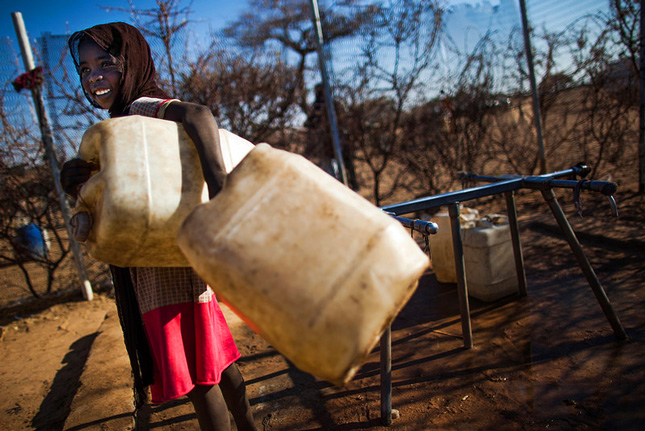
›March 21, 2014 // By Kathleen MogelgaardIt was a scorching hot April afternoon in Keur Moussa, a small farming community about 60 kilometers outside Dakar, Senegal. The landscape was mostly barren and very dry, and a fine red dust settled into our clothes as we walked with community leaders to learn about their efforts to cope with a changing environment. In this part of the world, adapting to climate change is figuring out how to manage water: how to survive for long periods without it, and what to do when too much comes at unexpected times.
-
A New Model of Development? The Role of Public-Private Partnerships in International Aid
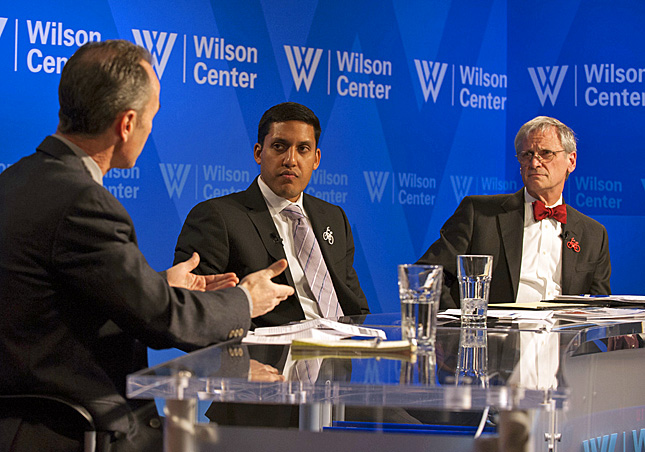
›USAID funding is “far outstripped” by private investment and business relationships in “nearly every country” in which it works – and that’s a good thing, according to USAID Administrator Rajiv Shah. [Video Below]
Showing posts from category food security.