

-
Backdraft #6: Jesse Ribot on Why It’s So Important for Climate Interventions to Work Through Local Democracy
› In a research project spanning more than two dozen case studies on environmental governance in 13 sub-Saharan African countries, Jesse Ribot, professor at the University of Illinois, and colleagues found that while many forest management projects claimed to be working with communities, they were in fact undermining local democracy in various ways.
 -
Breaking Down Water Security to Build it Up
›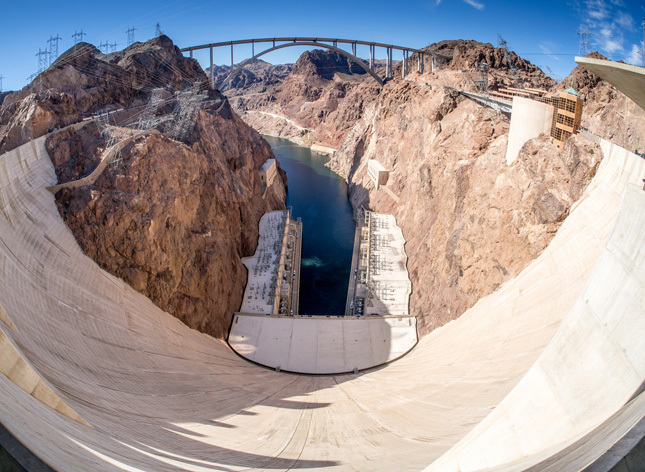
Water security remains an ambiguous concept with an uncharted path to achievement. Water is an essential resource to our survival and livelihoods, yet most countries lack a clear strategy for how to protect and manage it. With increasing rates and sources of consumption, a growing population, and shifting frequency and intensity of rates of precipitation, continued inaction will have serious impacts on our national security, economy, and environment.
-
Advancing U.S. Prosperity and Security in a Thirsty World
›The waters of Lake Chad sustain 70 million people in four countries. Beginning in the 1970s, the 25,000-square-kilometer lake began shrinking due to excessive drawdown for agriculture and mining. Now only 10 percent remains. The dwindling water supply devastated food production and fostered massive economic and political tensions. Many experts credit the worsening conditions for contributing to the rise of Boko Haram, an extremist group that has killed 20,000 people and forced 2.3 million more to flee.
-
Backdraft #4: Edward Carr on Climate Response, Motivations, and the Value of Ethnographic Research
›Unintended consequences from climate interventions are often the result of not understanding decision-making at a granular enough level, says Edward Carr in this week’s “Backdraft” episode. -
Ocean Fish Stocks on “Verge of Collapse,” Says IRIN Report
›The world’s ocean fish stocks are “on the verge of collapse,” according to a special report from IRIN. Already small fishers in poor countries are reeling, turning to ever-more destructive techniques and suffering from poor health and dwindling livelihoods.
-
Are We Headed Toward “Recurring Storms” of Global Food Insecurity?
›February 27, 2017 // By Erica MartinIt’s often assumed that in the modern era, food security is an achievable goal. But between 2007 and 2008, a confluence of conditions shook the international food system to its core, fueling unrest and riots in more than 40 nations around the world. What’s more, this “perfect storm” may have been only a harbinger of challenges to come, according to a new report by Emmy Simmons of the Center for Strategic and International Studies (CSIS).
-
Reining in China’s Aquafarming Sector: Interview With China Blue’s Han Han
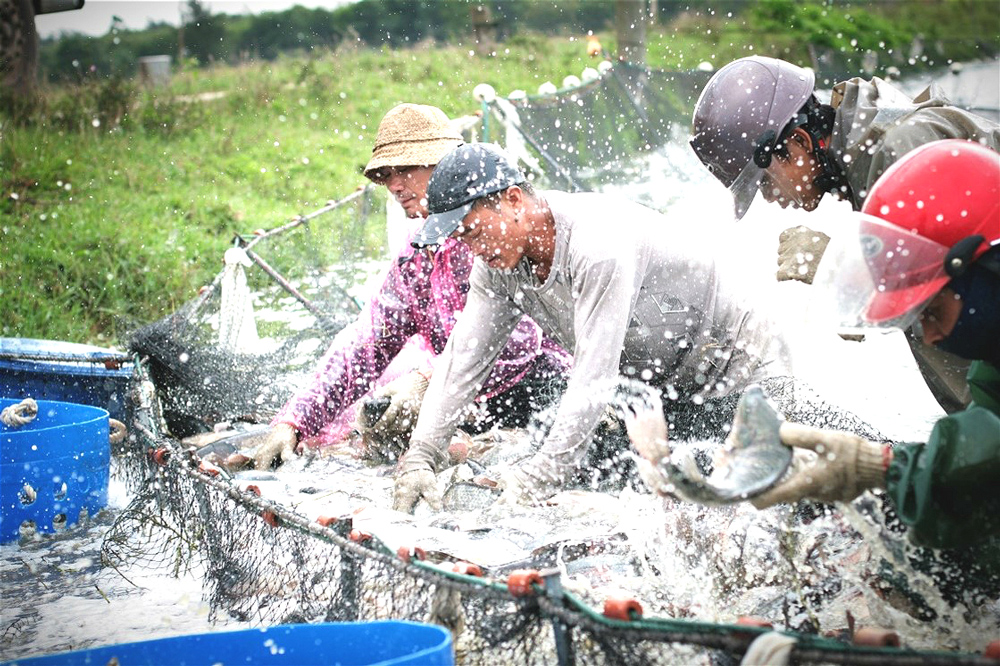
›Ten years ago, amateur tilapia farmers in China were able to dig a pond, fill it with fish, add antibiotics and chemicals, and a few months later sell the fish to numerous unregulated processors. In those early days, fish farming created a great economic boom for first-time aquaculture farmers.
-
Richard Choularton on 3 Steps to Avert the Famines We See Coming
›There has been great progress in anticipating famines in recent years, with most predicted six or more months ahead of time, says Richard Choularton, senior associate for food security and climate change at Tetra Tech, in this week’s podcast. But action to address their humanitarian impacts has lagged. Responses need to be more consistent and faster, he says, happening “almost without human intervention.”
Showing posts from category food security.
 In a
In a 
 Unintended consequences from climate interventions are often the result of not understanding decision-making at a granular enough level, says Edward Carr in this week’s “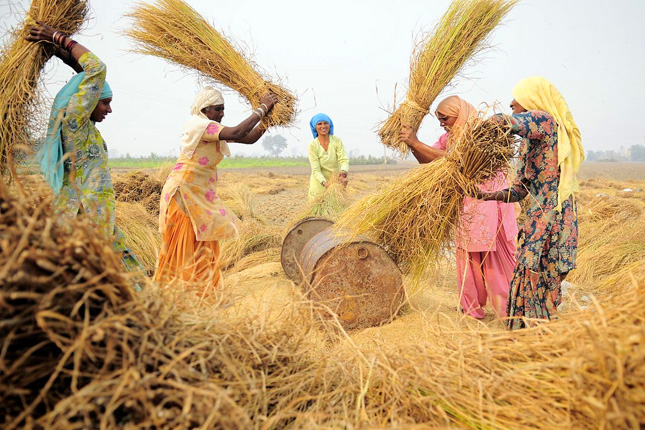
 There has been great progress in anticipating famines in recent years, with most predicted six or more months ahead of time, says Richard Choularton, senior associate for food security and climate change at Tetra Tech, in this week’s podcast. But action to address their humanitarian impacts has lagged. Responses need to be more consistent and faster, he says, happening “almost without human intervention.”

