-
Beyond Violence: Drought and Migration in Central America’s Northern Triangle
›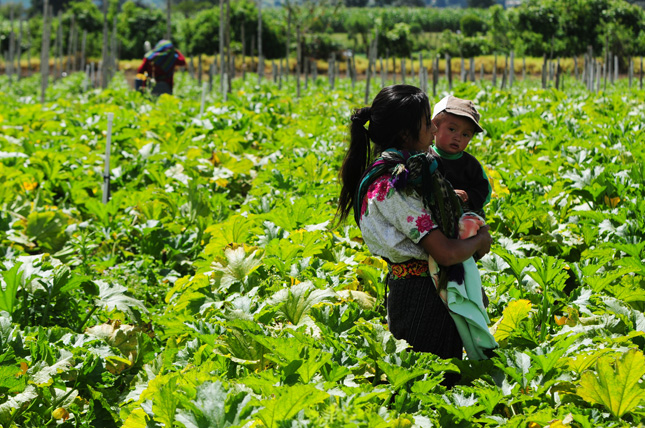
Starting in 2014, the number of migrants from Central America’s Northern Triangle—Guatemala, El Salvador, and Honduras—surged, with border apprehensions increasing fivefold from 2010-2015. While apprehensions have declined from their peak, emigration from these countries has not necessarily slowed, and the conditions the migrants are seeking to escape have not changed. Experts blame the region’s widespread criminal violence for spurring migration. But the Northern Triangle countries also share similar ecology, staple crops, and vulnerability to climate events. While environmental and natural resource factors are just part of the complex picture, understanding how they intersect with other migration drivers is key to creating and implementing effective policy responses.
-
Somali Pirates Return as Illegal, Unregulated, and Unreported Fishing Continues in the Gulf of Aden
›
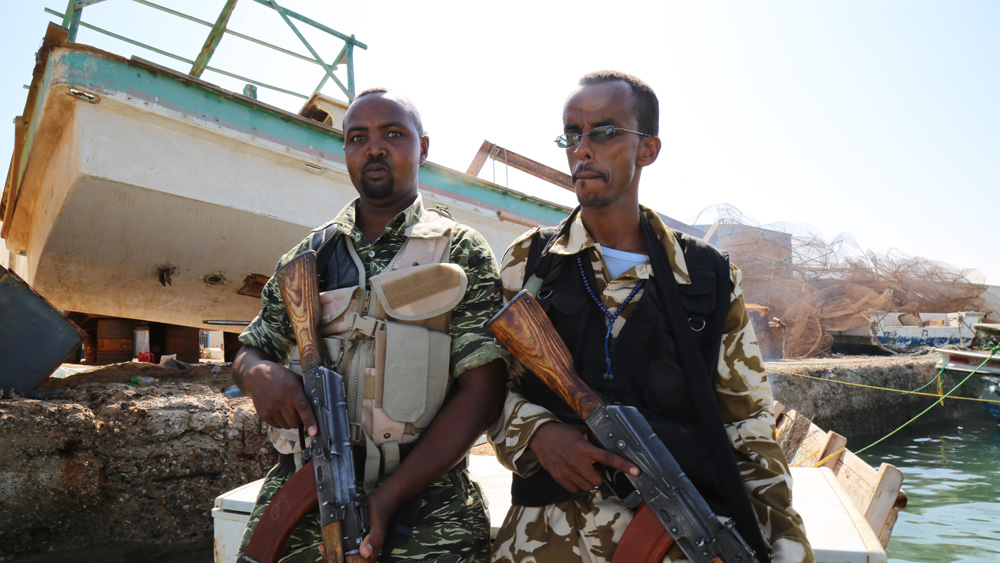
After pirates hijacked an Iranian fishing vessel last year near Bosasso, a major seaport in Puntland, Somalia, local authorities observed that the offending boat was casting nets without a license. While piracy has diminished since 2008-2012, when these waters became some of the most lawless in the world, a spate of incidents in 2017-8 has made it clear that the conditions that led to piracy—including incursions from foreign fishing boats—are still a major problem.
-
Top 5 Posts for October 2017
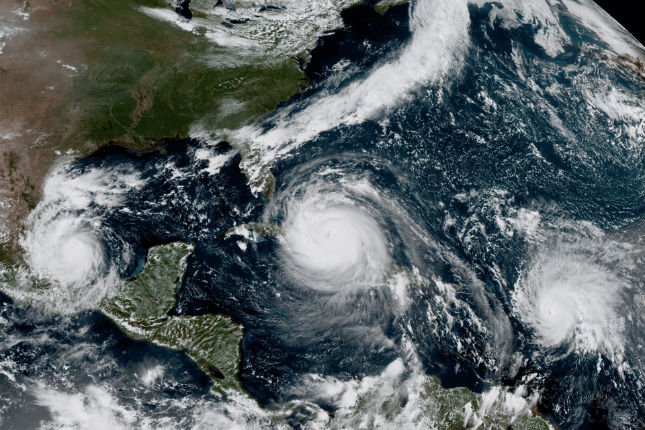
›Hurricanes Irma and Maria devastated Puerto Rico, leaving many on the island without power, drinking water, or cellular service. Such disasters are not just an issue for the Caribbean, said the Wilson Center’s Roger-Mark De Souza in an interview with WOUB that was last month’s most read story on New Security Beat. All coastal areas of the United States, with their growing populations and vulnerable but valuable infrastructure, should be prepared to face more severe climate-related natural disasters.
-
Sustainable Water, Resilient Communities: The Challenge of Too Little Water
›From the Wilson Center // Water Security for a Resilient World // October 27, 2017 // By Gretchen JohnsonWater is a “strategic instrument in the creation of a safer, healthier, more nutritious, less aggressive world,” said Winrock International President and CEO Rodney Ferguson at the first event in a four-part series on water security organized by the Wilson Center and the Sustainable Water Partnership. Panelists at the event identified innovative and integrated efforts necessary to increase global water security in the face of growing water scarcity.
-
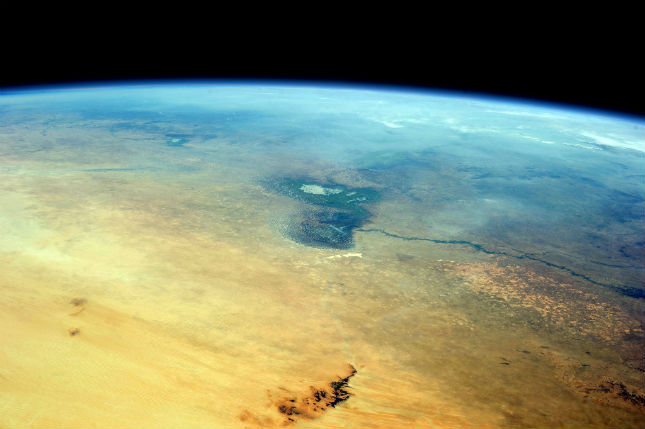
Crisis in Lake Chad: Tackling Climate-Fragility Risks
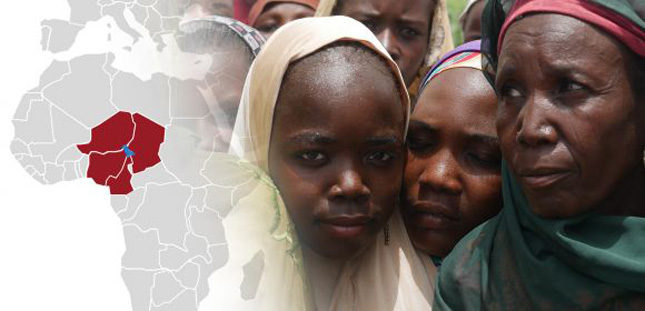
›While attention in the United States is focused on the disasters in Puerto Rico and the Caribbean, a crisis across the Atlantic is rapidly becoming one of the worst humanitarian disasters since World War II. In the Lake Chad basin of West Africa, about 17 million people are affected by the emergency, struggling with food insecurity, widespread violence, involuntary displacement, and the consequences of environmental degradation. An estimated 800,000 children suffer from acute malnutrition; and although international donors pledged $672 million in February, the famine and humanitarian misery continues unabated. Suicide bombings and attacks by Boko Haram, which have killed at least 381 civilians since April 2017, have forced many people to leave their homes and farmers to leave their lands, interrupting livelihoods and reducing food supplies.
-
Backdraft #9: Joshua Busby on Mapping Hotspots of Climate and Security Vulnerability
›Maps help us to grasp complex ideas, such as patterns of risk and vulnerability, but the stories they tell can have significant implications. “It’s very difficult to validate that what you’re capturing in the maps is representative of real-world phenomenon,” says Joshua Busby in this week’s “Backdraft” episode, describing his efforts to map climate and security hotspots in Africa and Asia. “You have to be modest in what you think the maps can tell policymakers, but also realize there is some seductive power in the way maps simplify complex reality.” -
GMOs: Can U.S.-China Cooperation Address Public Distrust and Increase Food Security?
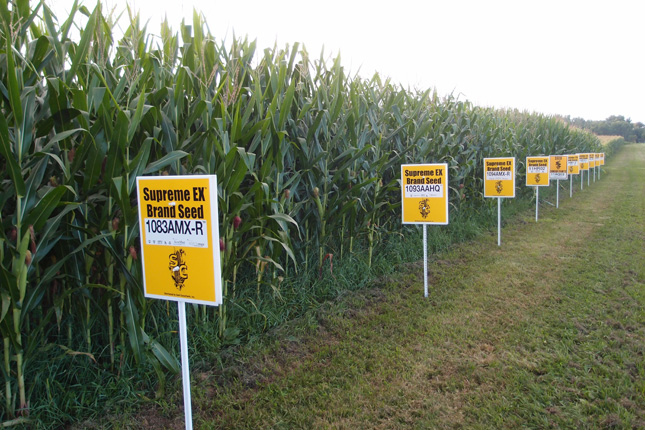
›Today, China feeds 1.38 billion people—approximately one-fifth of the global population—with about 10 percent of the world’s arable land. Compared to the United States, where each acre of land feeds one citizen on average, China has only 0.2 acres per person. This people-to-land mismatch helps explain why 9.3 percent of China’s population was undernourished in 2015.
-
The Unfolding Humanitarian Crisis Around Lake Chad: UN Report Falls Short of Naming Environmental Dimensions
›September 20, 2017 // By Florian KrampeIt is encouraging to see that the United Nations Security Council is beginning to acknowledge the transboundary dimensions of fragility and conflict, as demonstrated by its newly launched Report of the Secretary-General on the situation in the Lake Chad Basin region. The report, which was presented in the Security Council on 13 September 2017, emphasizes the need for regional responses and the enhanced cooperation of different UN and humanitarian agencies as important steps to addressing the unfolding humanitarian crisis. However, while regional responses to address the regional security challenge are desirable, the report would have been stronger if it had highlighted the underlying environmental contributions of the region’s fragility.
Showing posts from category food security.
 Maps help us to grasp complex ideas, such as patterns of risk and vulnerability, but the stories they tell can have significant implications. “It’s very difficult to validate that what you’re capturing in the maps is representative of real-world phenomenon,” says Joshua Busby in this week’s “Backdraft” episode, describing his efforts to map climate and security hotspots in Africa and Asia. “You have to be modest in what you think the maps can tell policymakers, but also realize there is some seductive power in the way maps simplify complex reality.”