-
World Economic Forum Evaluates Global Risks, Comes to Some Odd Conclusions
›With intense drought in Sao Paulo and California, devastating floods in Malawi, and escalating water-energy confrontations in many developing countries, it is no wonder water is making headlines. It’s also gained the attention of the World Economic Forum (WEF), which lists water crises as the world’s number one risk in its recently released Global Risk Assessment.
-
Sam Eaton, PRI’s The World
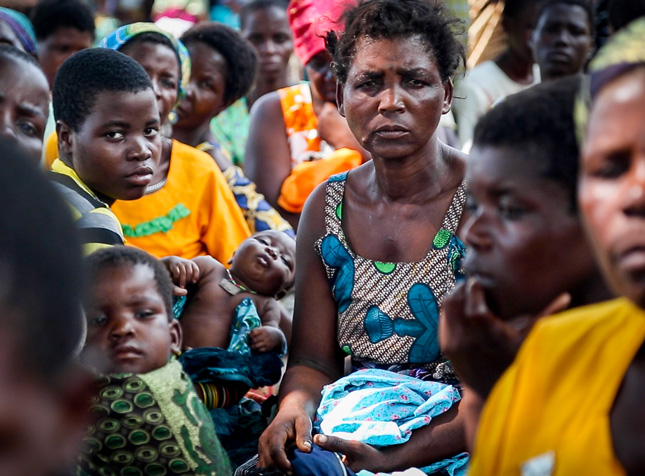
Severe Weather and Deforestation Create a Humanitarian Crisis in Malawi
›March 4, 2015 // By Wilson Center Staff
You could say the people living along the banks of the Thondwe River in southern Malawi were lucky. At least they’d been warned of the flash flood in early January that would burst through an earthen dike, wash away their homes and crops, and leave more than 4,000 of them homeless.
-
The Case for Better Aid to Pakistan: Climate, Health, Demographic Challenges Demand New Approach
›March 2, 2015 // By Kate Diamond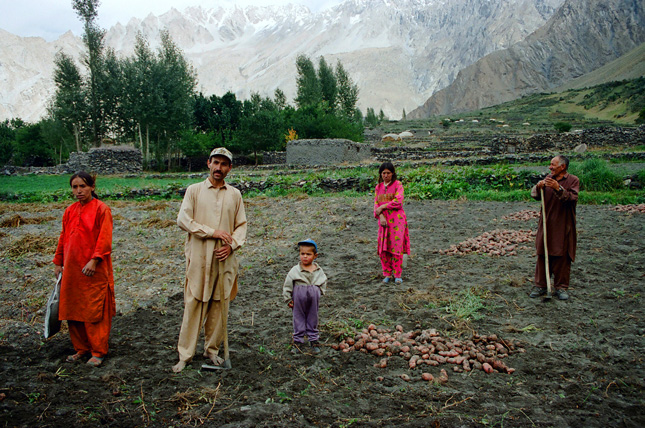
In 2009, the U.S. Congress passed a five-year, $7.5 billion aid package for a country it had all but abandoned just 10 years earlier. Indeed, if one word can summarize the U.S. relationship with Pakistan, “volatile” might be it. Since the September 11 attacks, the U.S. has appropriated nearly $61 billion in aid to Pakistan – more than twice what it received since independence in 1947.
-
Simulating Transboundary Water Conflict in South Asia, and the Effect of Drought on Civil Conflict in Africa
› Natural resource management is a trust issue. There’s no better illustration of this than a scenario exercise. A new CNA Corporation report, Bone Dry and Flooding, details a simulation they ran for transboundary water management in the Indian sub-continent. Players of the game – nationals of China, Pakistan, India, and Bangladesh who had all previously worked in politics, policy, or development – were given a hypothetical five-year time span to manage shared water resources. -
Conflict and Climate Change Collide in Assam as Trafficking Thrives
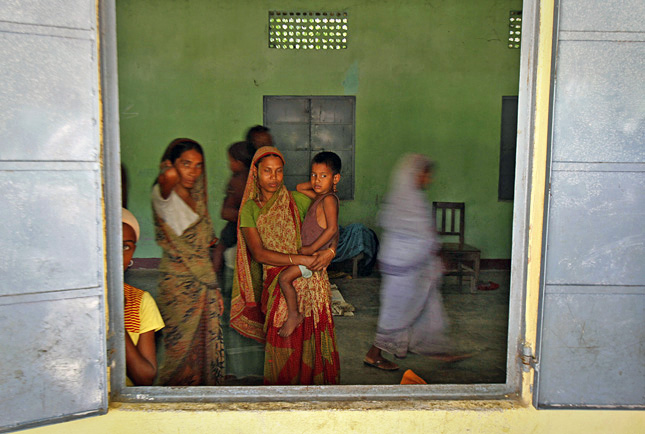
›The story of Uma Tudu captures the endless cycle of poverty, violence, and suffering faced by too many girls in the northeastern Indian state of Assam.* At 16, following floods that destroyed her village, she traveled more than 1,600 kilometers to Delhi, lured by the promise of a good job and a good life. Instead she was sold as bonded labor.
-
Eric Chu on Translating Climate Adaptation Theory to Action on the Local Level
›“Adaptation is very theoretical. When you talk about ‘resilience,’ you draw these Venn diagrams and you draw these really complex issues, but at least at the IPCC level, we didn’t spend a lot of time thinking about what people were actually doing,” says Eric Chu in this week’s podcast.
-
Re-Thinking Climate Interventions in Fragile and Conflict-Affected States: Insights From Nepal
›While much of the debate around climate financing focuses on “how much,” an equally important question is “how?”
-
Integrated Development, Focus on Empowerment Builds Resilience in Nepal
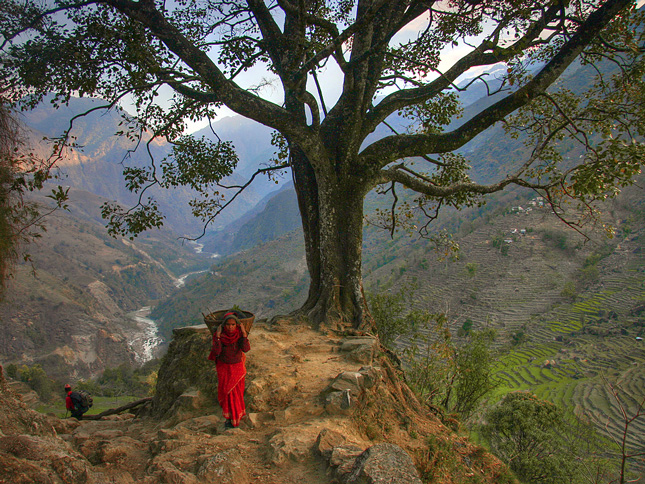
›From the mountains and foothills of the Himalayas to the Terai plains, climate change is rapidly changing life in Nepal. Many communities however, are not strangers to environmental stress; for decades, rapid population growth alongside agriculture and fuelwood collection have degraded land and diminished forests. [Video Below]
Showing posts from category flooding.