-
Building a Locus of Control: Protecting Yourself From “Climate Trauma”
›January 23, 2017 // By Lynae Bresser
With countries declaring drought emergencies and islands facing inundation, it can be difficult to turn away from the big picture when it comes to climate change. If we are to build a climate-resilient society, though, we must look to resilience at its origins, says one group of experts: the individual.
-
Mismatched Flood Control System Compounds Water Woes in Southern Bangladesh
›
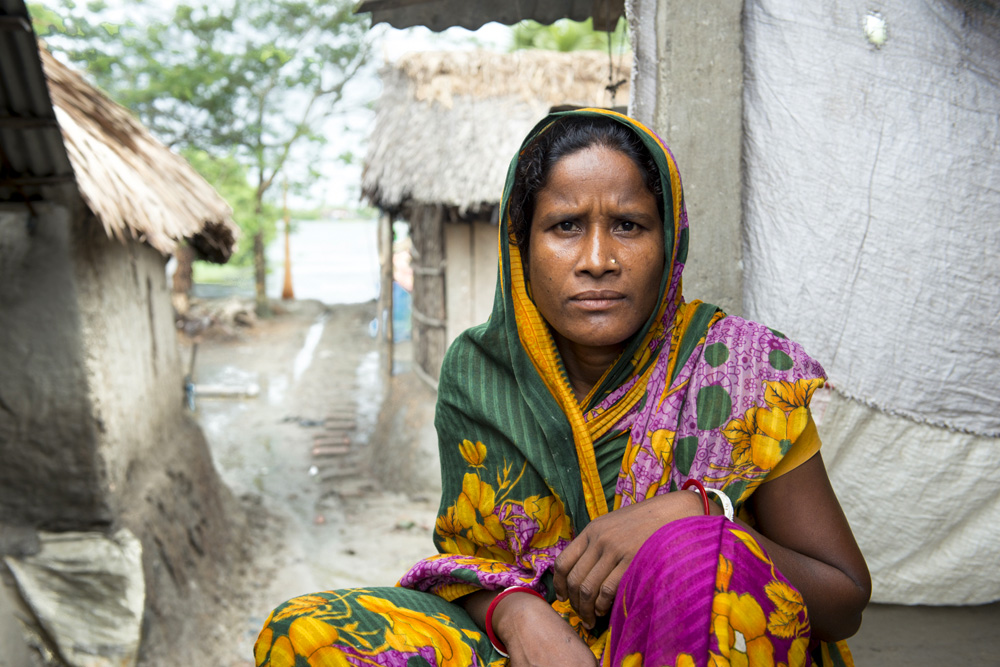
In Koyra Number 6, a coastal hamlet bordering the Sundarbans in southwestern Bangladesh, a group of men unload barrels of water from their trawlers – 50 drums holding 30 liters each. They announce their arrival by yelling. And word spreads. This is how this village gets their daily drinking water, from a town nine miles away.
-
Rising Seas Threaten Military Installations, and Elevating Human Rights to Mitigate Geoengineering Risks
›A roughly three-foot increase in sea level will threaten 128 coastal military installations in the United States, valued at $100 billion, according to a study from the Union of Concerned Scientists. The report, The U.S. Military on the Front Lines of Rising Seas, argues that the growing exposure to storm surge and sea-level rise puts vital infrastructure, training and testing grounds, and housing for thousands of personnel at risk. -
After the Landslide: A Closer Look at Loss and Damage in Nepal
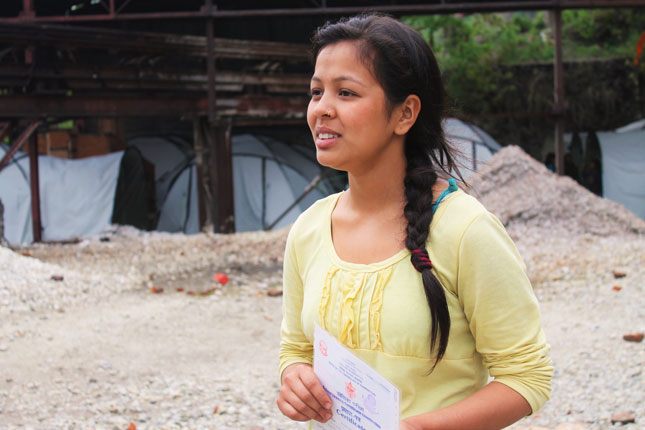
›It had been raining for two full days when the landslide came. Nirjala Adhikari vividly remembers the instant it hit her village in Sindhupalchok District, Nepal. “It was a very scary moment, and I couldn’t think of anything else than grabbing my mobile phone and my school certificate before I ran out of the house,” she recalled. “I secured my certificate because only this will help me establish a bright future.”
-
The Rising Tide of Water Insecurity: Moving from Risks to Responses
›“Water is the frontline of climate change. It’s what every report that you see identifies as the sort of first and foremost effect we see from a climate changing world,” said Sherri Goodman, a public policy fellow at the Wilson Center and formerly of CNA and the U.S. Department of Defense, on October 19.
-
5 Insights and Recommendations for Loss and Damage at COP-22 and Beyond
›November 10, 2016 // By Roger-Mark De SouzaOver the past four years, I have been a member of the Resilience Academy, an initiative of the United Nations University, International Center for Climate Change and Development, and Munich Re Foundation bringing together thinkers from 29 countries to gather insight on climate change resilience and “loss and damage.” Loss and damage has many definitions, but broadly refers to the impacts of climate change that cannot be addressed via adaptation (adjusting to the effects) or mitigation (preventing them from happening at all).
-
Strategic Ambiguity: How Loss and Damage Became a Part of Global Climate Policy
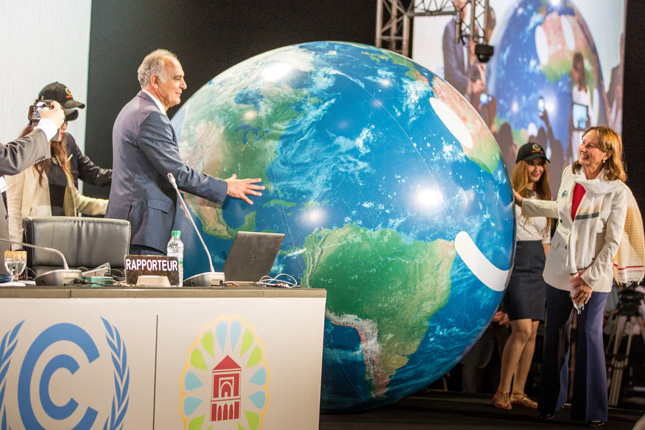
›As the international community meets in Marrakesh for the climate change negotiations at COP-22, one of the most delicate issues on the table is the review of what’s called the Warsaw International Mechanism for Loss and Damage, or WIM.
-
Necessity Is the Mother of Invention: Islands as the Vanguard of Climate Adaptation
›“Climate change is one of the greatest challenges of our time and it calls for a comprehensive and cooperative international approach like we’ve never seen,” said Jainey Bavishi, associate director for climate preparedness at the White House Council on Environmental Policy, at the Wilson Center on October 5. “The leadership of the island nations is essential; they punch well above their weight on this issue.”
Showing posts from category flooding.