-
Environmental Security Weekly Watch: January 5-9, 2026
›
A window into what we’re reading in the Stimson Center’s Environmental Security Program
Marine Life Plundered in Unregulated Fishing Zone Near Argentina (The Guardian)
One of the world’s largest unregulated squid fisheries is located in Mile 201—a largely ungoverned strip of the high seas just beyond Argentina’s exclusive economic zones. Fishing hours there have increased between 2019 and 2024 in the area, as hundreds of foreign vessels arrive annually to plunder marine life. Yet this free-for-all poses serious concerns for other marine species as well. Crews on more than 50% of Chinese vessels and a fifth of Taiwanese vessels also have revealed the unreported capture and killing of seals, with culls sometimes numbering in the hundreds.
-
Pakistan’s Floods Expose Deep Gender Divides
›
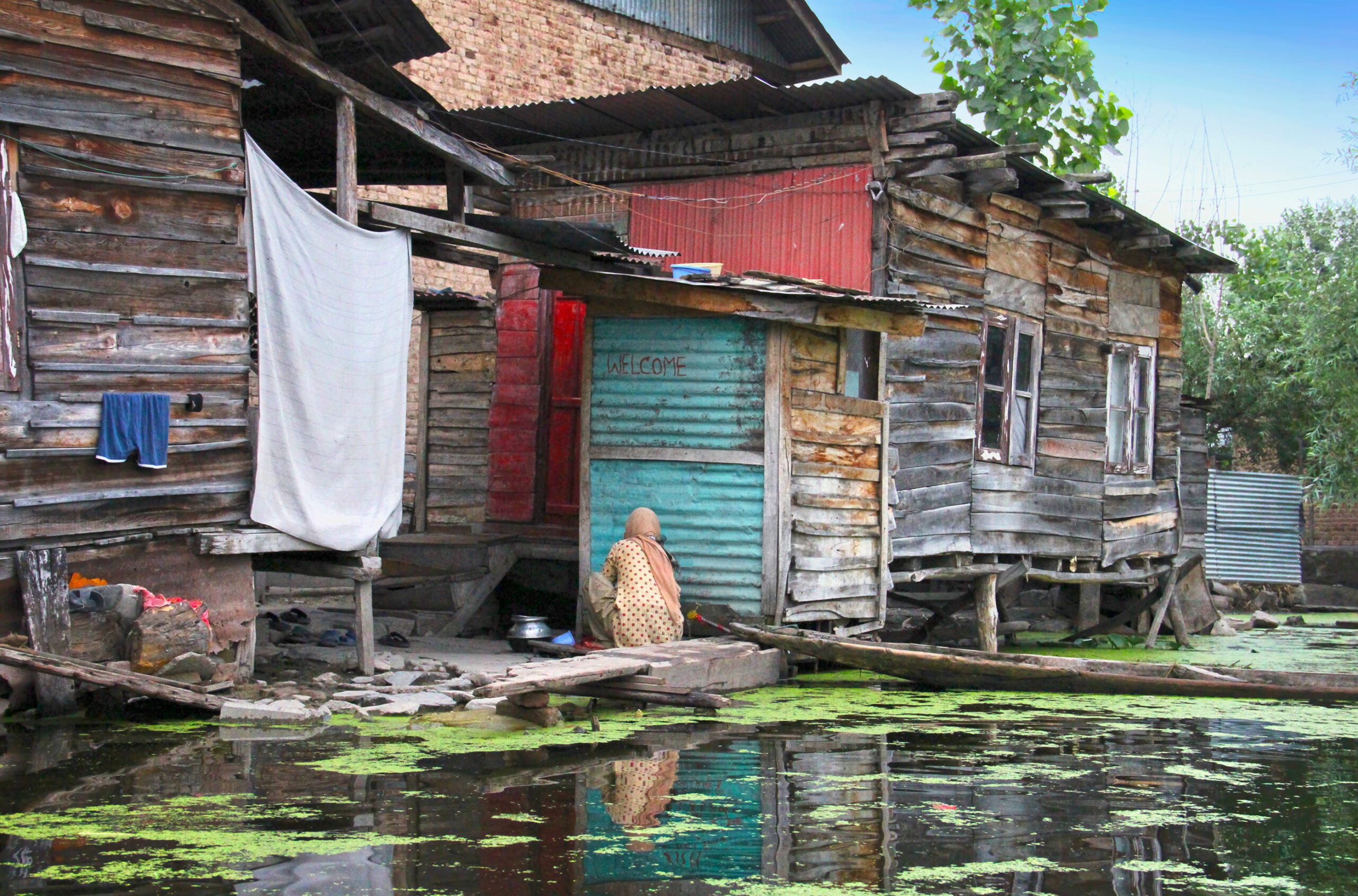
While global climate leaders met in Brazil last month for the 30th annual global climate summit (COP30), Pakistani women and children continued to deal with the aftermath of the flooding that hit Pakistan this past summer.
-
Underwater Cities: Climate Change Meets Governance Crisis in Iraqi Kurdistan
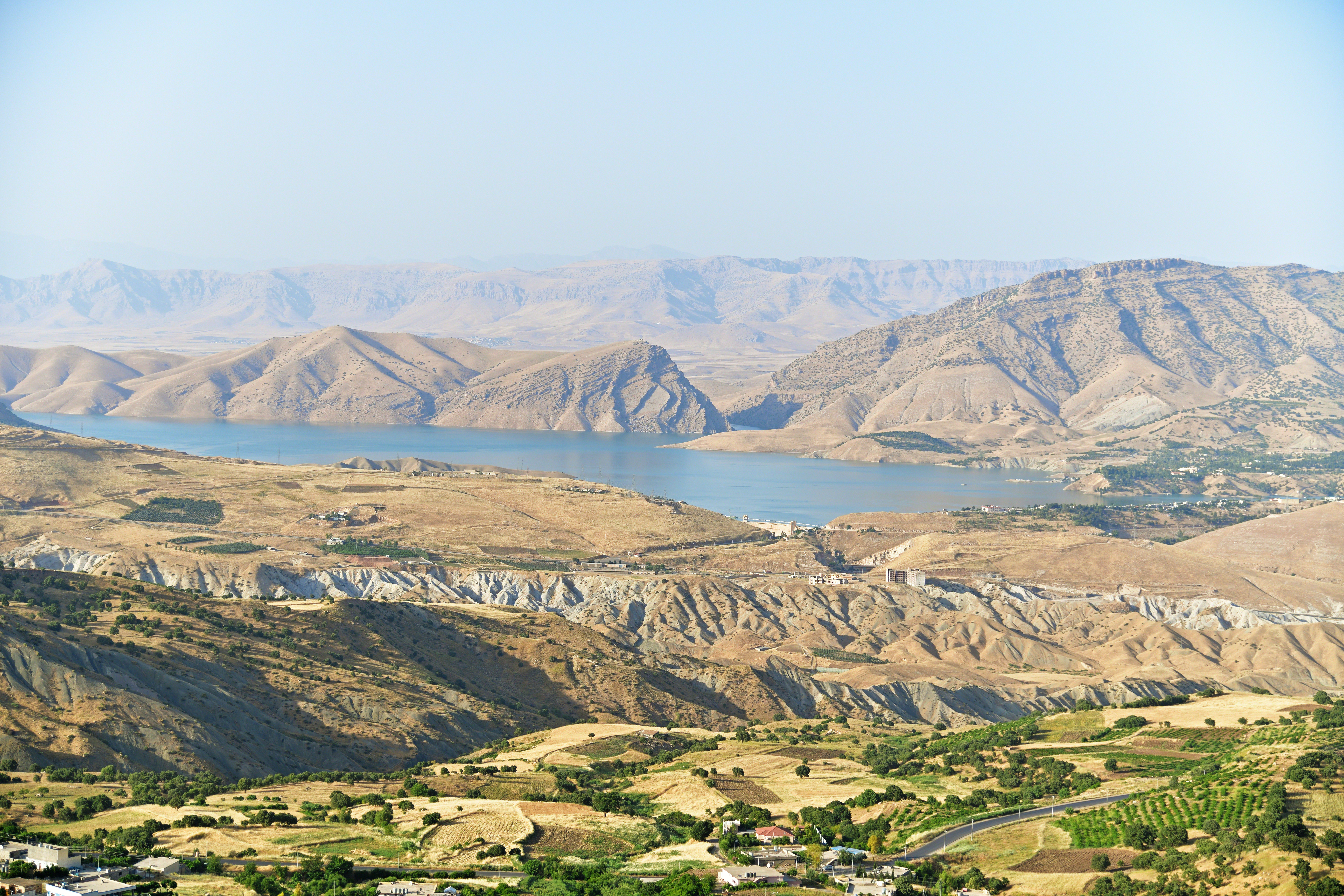
›When floods struck the Kurdistan region of Iraq earlier this month, it was a deluge that demonstrated how fragmented governance and weak state capacity can transform climate hazards into humanitarian and security crises.
-
Environmental Security Weekly Watch: October 6-10, 2025
›A window into what we’re reading at the Stimson Center’s Environmental Security Program
“Intractable” systemic problems mean carbon offsets fail to cut global heating (The Guardian)
A recent review of 25 years of evidence found that carbon credit quality issues stem from deep-seated structural flaws, and not isolated cases of fraud. Researchers point to four major flaws that undermine most carbon offset projects. The worst problems include issuing credits for already-planned projects, impermanent solutions (forests that later burn), incidences of leakage (such as protecting one forest area while pushing logging elsewhere), and double-counting which allows both seller and buyer to claim the same emission reduction.
-
ECSP Weekly Watch | March 17 – 21
›A window into what we’re reading at the Wilson Center’s Environmental Change and Security Program
Canal Projects Endanger Water Security in Pakistan’s Indus Delta (Al Jazeera)
Dozens of villages in the Indus Delta have been submerged by the encroaching sea over recent years, pushing thousands to migrate inland. Now, local residents in Pakistan fear that new canal projects may further exacerbate water shortages in the region.
-
Climate Change, Peace and Security: Discourse Versus Action in Asia
›This year’s World Economic Forum called for greater urgency in discussing the impacts of climate change on human security and social, political, and economic stability. And a recognition of the destabilizing effects of climate change also has led the UN to emphasize the risks they pose to the most vulnerable populations, including poor, conflict-affected, and displaced persons.
-
ECSP Weekly Watch | January 27 – 31
›A window into what we’re reading at the Wilson Center’s Environmental Change and Security Program
Declining Fish Stocks Threaten Lake Tanganyika Fishing Communities (Al Jazeera)
For the millions who live on the shores of Lake Tanganyika, fishing is a way of life that has sustained generations. However, recent declines in fish production in the world’s largest freshwater lake have devastated Tanzania’s fishermen and prompted questions of the sustainability of the decades-long practice.
-
ECSP Weekly Watch | November 4 – 8
›A window into what we’re reading at the Wilson Center’s Environmental Change and Security Program
Can Fighting Smog Be a Bridge in India-Pakistan Relations? (Al Jazeera)
The Swiss group IQAir has compiled and analyzed data from 14 regional monitoring stations and declared Pakistan’s capital Lahore to be the world’s most polluted city. Last Wednesday, for instance, Lahore’s air quality index (AQI) score was 1165, which then increased in a staggering fashion to 1900 AQI by the following Monday. India’s capital, New Delhi, was a close second for most-polluted city in the same survey, however. This cross-border pollution issue now has led government officials in both countries to reignite stagnant relations to pursue solutions.
Showing posts from category flooding.