-
The Farmer’s Dilemma: Climate Change, Food Security, and Human Mobility
›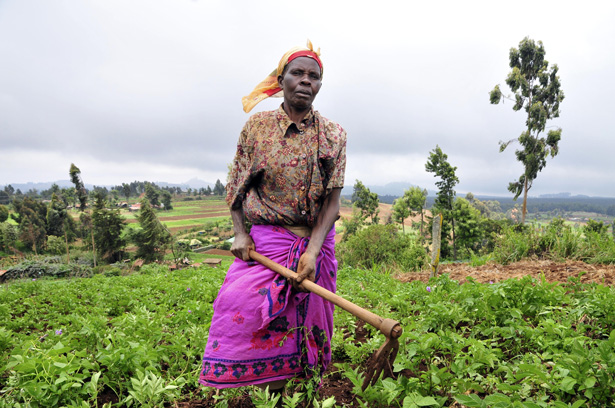
“Most of the world’s poor are farmers; they share the same profession and the same challenges,” said One Acre Fund’s Stephanie Hanson at a recent Wilson Center event on small-scale farming, climate change, food security, and migration. They are tasked with growing enough food to support their families with only tenuous access to land and natural resources, the most basic of tools, and increasingly unpredictable weather patterns to deal with. [Video Below]
-
What’s Worth Saving? Maoists, Forests, and Development in India’s Western Ghats
›
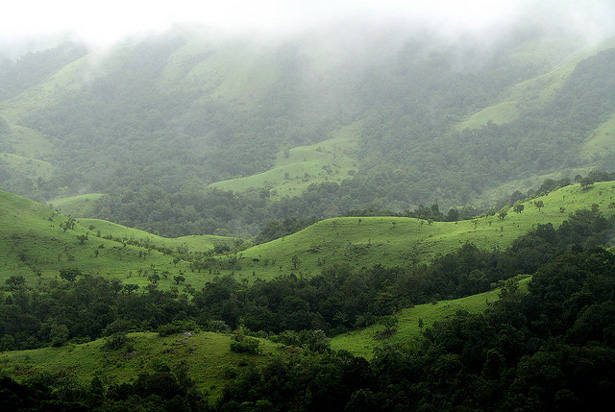
Arrayed along India’s southwest coast is a 1,600-kilometer-long mountain chain with forests older than the Himalayas: the Western Ghats. The mountains are one of the top biodiversity hotspots in the world, and UNESCO recently recognized the region as a World Heritage site. They’re also one of the tensest of India’s emerging battlegrounds between development and conservation and a potential recruiting ground for its Maoist insurgency, called the country’s “greatest threat to internal security.”
-
Despite “Greener Economy,” Extractive Industries’ Effects on Global Development, Stability Bigger Than Ever
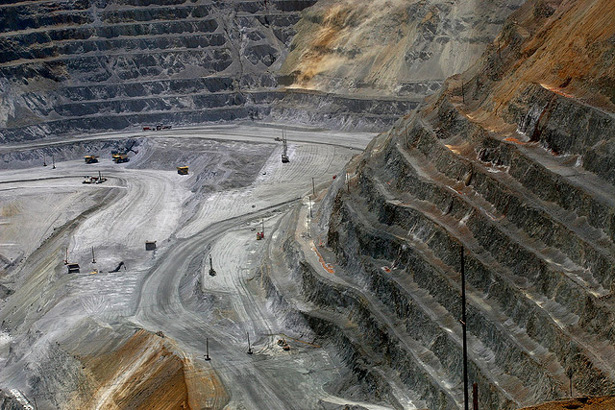
›Despite the appearance of a new, “greener” economy, extractive industries – mining, oil, and natural gas – are now responsible for “moving more earth each year, just for mining and quarrying, than the global hydrological cycle,” writes the Transatlantic Academy’s Stacy VanDeveer in a recent paper, Still Digging: Extractive Industries, Resource Curses, and Transnational Governance in the Anthropocene. The costs of this activity are high and extend well beyond the wallet, he explains.
-
Beyond Arctic Conflict: Prospects for Peace and International Cooperation
›Temperatures in the Arctic have increased at twice the global rate over the past 40 years, vaulting the region to international prominence as an emerging theater for maritime transportation and competition over newly uncovered resources.
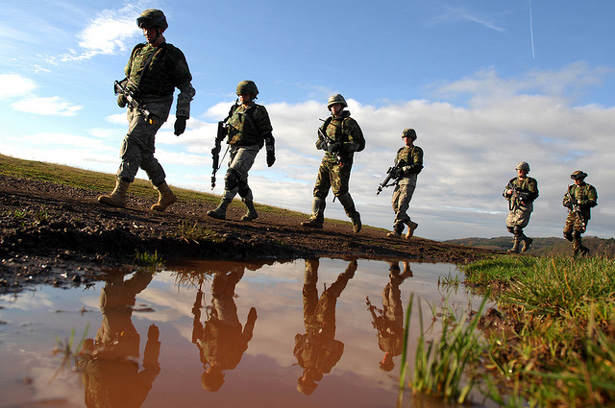
The international community should start strategizing now to manage the ambitions of circumpolar states and minimize the potential for conflict, write authors Rob Huebert, Heather Exner-Pirot, Adam Lajeunesse, and Jay Gulledge in a report. Published by the Center for Climate and Energy Solutions, Climate Change and International Security: The Arctic as a Bellwether explores the geopolitical implications of climate change in the Arctic and puts forth several recommendations for policymakers to consider. Huebert et al. write that “maintaining security and peace in the Arctic will require adapting policies and institutions to the emerging environment there.” They recommend that Arctic states strengthen existing multilateral agreements by, for example, advocating the accession of the United States into the UN Convention on the Law of the Sea. Further, they propose that the Arctic Council lifts its ban on discussing security issues in order to become a forum for meaningful discussion. -
Environmental Security: Approaches and Issues (Book Preview)
›A little over a decade ago when I first became interested in the subject of environmental security, it took me ages to understand what I have since been eager to stress: environmental security is not a concept but rather a debate.
-
Spring Thaw: What Role Did Climate Change and Natural Resource Scarcity Play in the Arab Spring?
›Several high-profile reports in the last few months have suggested that climate change and natural resource scarcity contributed to the events that have rocked the Middle East and North Africa (MENA) since December 2010. Thomas Friedman is apparently working on a Showtime documentary about the topic. But what exactly was the role of environmental factors in the mass movement?
-
Backdraft: The Conflict Potential of Climate Change Adaptation and Mitigation (ECSP Report 14)
›Amid the growing number of reports warning that climate change could threaten national security, another potentially dangerous – but counterintuitive – dimension has been largely ignored. Could efforts to reduce our carbon footprint and lower our vulnerability to climate change inadvertently exacerbate existing conflicts – or create new ones?
-
Matthew Berger, The Interdependent
A Global Thirst for Water Security
›May 10, 2013 // By Wilson Center StaffThe original version of this article, by Matthew Berger, appeared on The Interdependent.
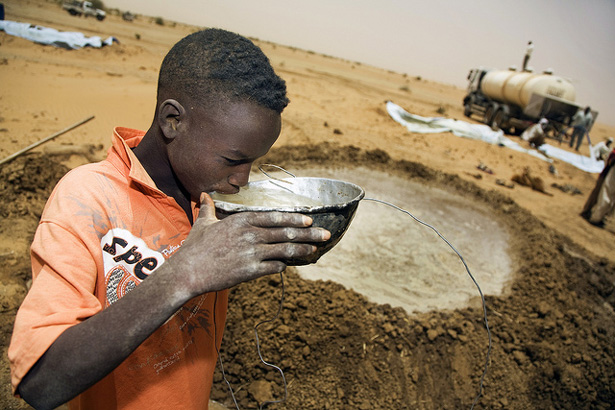
Last summer, after walking for days to a refugee camp across the South Sudan border, some Sudanese refugees reportedly chose to dig holes to reach muddy water rather than face the fist-fights breaking out around a failing tap. Boreholes dug by aid agencies collapsed in the crumbling soil. Even the coming rainy season brought more challenges than relief, washing out roads used by water tanker trucks and threatening the camp with flooding.
Showing posts from category environmental security.