-
Crossing Borders and Defying Policing, Abuses of Thailand’s Fishing Industry Challenge International System
›August 18, 2015 // By Linnea Bennett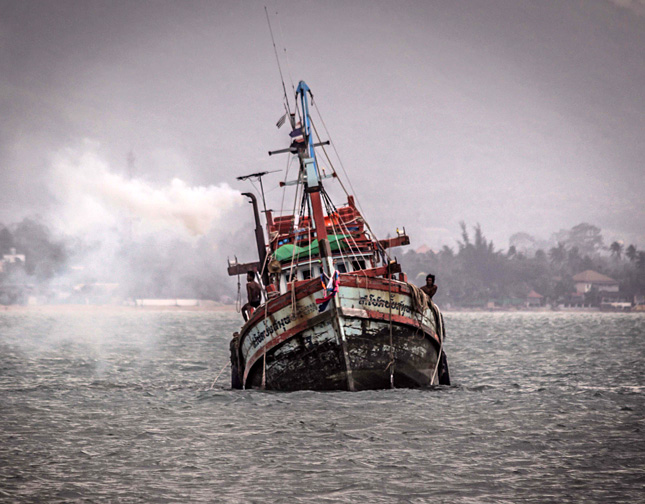
Somewhere off the coast of Thailand, “ghost ships” bump and crash along the choppy waves scrapping the sea floor with nets that spare nothing. Pulling up these illegal hauls in shifts that sometimes last 20 hours are thousands of migrant fishermen, many of whom have been forced into indentured servitude or kidnapped. Far from shore on unregistered boats, they have little hope of escape and face daily abuse and squalid conditions. More recently, some captains have turned to trafficking Rohingya fleeing persecution in Myanmar, pressing some into service, extorting others, and taking sex slaves.
-
Without Water, No Sustainable Development: World Water Week 2015
›
The World Economic Forum recently named water crisis the world’s number one risk for the next 10 years for its potential impact on people and industry. Indeed, as the global community grapples with climate change – and environmental change of all kinds – understanding the fundamental nature if water to human society is crucial. The input report for this year’s World Water Week, released yesterday by the Stockholm International Water Institute, in fact argues that getting water management right is a prerequisite for sustainable development.
-
Providing for the Periphery: Anthony Speca on Development for Canada’s Resource-Rich Nunavut
›Rich in natural resources, poor in nearly every human development indicator. The description applies to many of the most-conflict ridden states in the world, but also to a region often forgotten in global development circles: the Arctic North. -
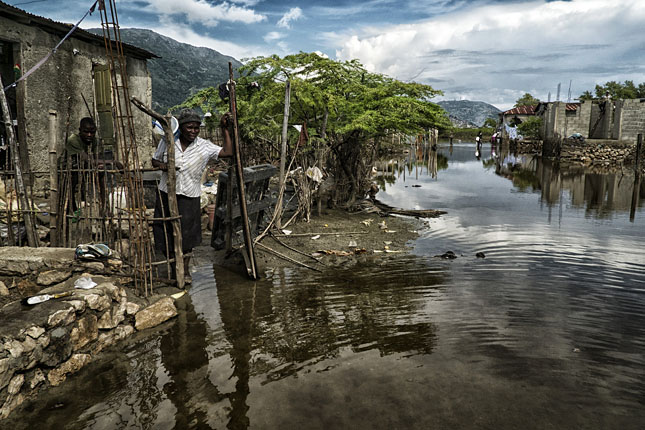
New Research Links Water Security and Economic Growth
›While it is intuitively clear that economic growth is related to water security – understood here as both water availability and also exposure to water-related risks such as drought and floods – there has been very little empirical evidence of this relationship to date.
-
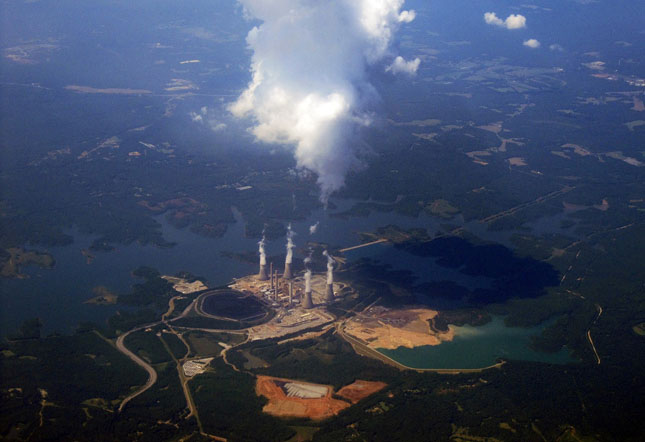
Obama’s Clean Power Plan Sets Up States to Become Energy Innovators
›August 5, 2015 // By Ruth Greenspan BellPresident Obama’s recently announced Clean Power Plan – potentially a major turning point in the fight to contain greenhouse gas emissions and stop the slide toward an ever-warming Earth – is oddly both a courageous step in the right direction and codification of a process already underway.
-
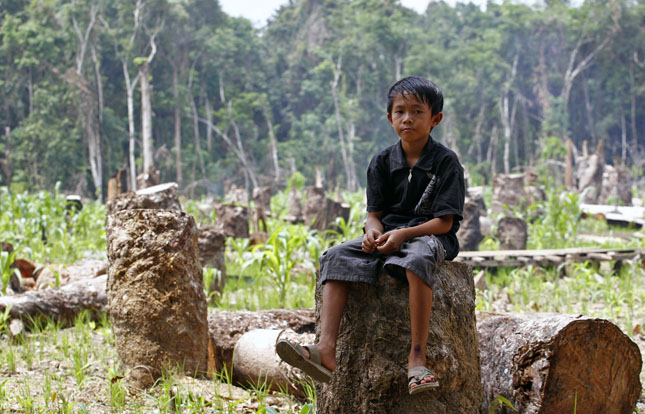
Who Benefits From REDD+? Lessons From India, Tanzania, and Mexico
›REDD+, a global framework designed to reward governments for preserving forests, has pledged nearly $10 billion to developing countries. But minorities, indigenous people, the poor, and other marginalized groups that live in forest areas often end up paying more than their fair share of the costs of environmental cleanup and conservation while getting less in return. What can be done to change this?
-
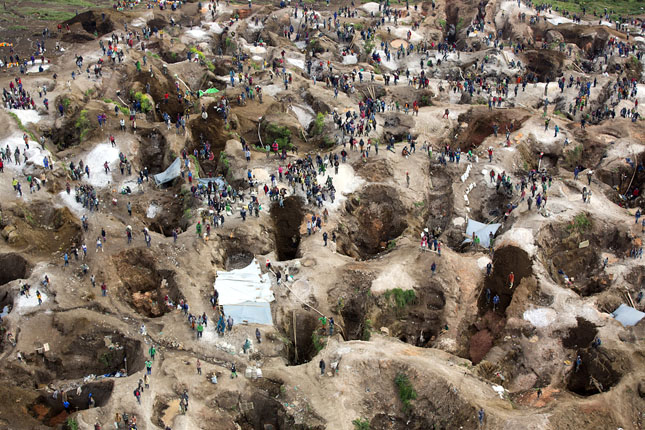
In Search of Higher Returns: Can Extractive Industries Help Build Peace?
›August 3, 2015 // By Carley ChavaraIf you’re a government pondering the development of newly discovered natural resources, how do you avoid the so-called “resource curse” – the tendency of high value extractive resources, like oil, gas, or minerals, to, instead of prosperity, bring corruption, entrenched poverty, and even violence?
-
A World of Extremes: New Thinking Needed to Reconcile Food-Water Choke Points
›Food and water are tied to one another fundamentally. But in addition to their biophysical relationship, human systems intervene, whether through pricing schemes and trade agreements or shifting patterns in consumption and taste.
Showing posts from category economics.
 Rich in natural resources, poor in nearly every human development indicator. The description applies to