-
Christina Cauterucci, Slate
Gates Foundation to Invest $80 Million for Better Economic Data on Women and Girls
›June 3, 2016 // By Wilson Center Staff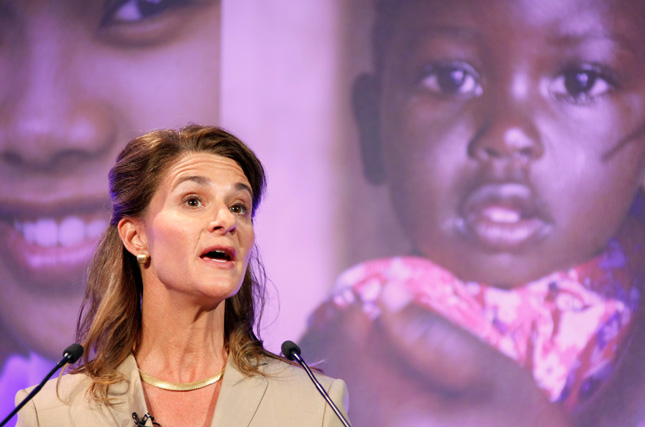
Melinda Gates announced a new $80 million Bill and Melinda Gates Foundation commitment to global data collection in a May 17 address at the Women Deliver conference in Copenhagen. Over three years, the foundation’s efforts will focus on filling gaps in data about women’s unpaid labor, improving the accuracy of data around land and property ownership, and using that data to inform civil and government decision-makers about the effects of their existing programs and recommend areas for improvement.
-
Innovative Sludge-to-Energy Plant Makes a Breakthrough in China
›
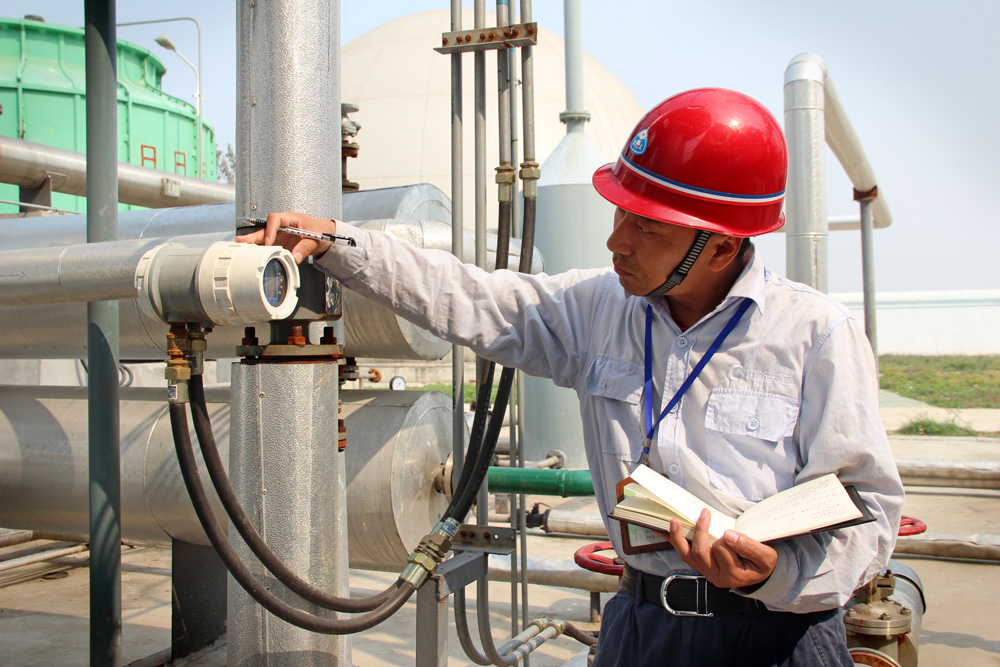
XIANGYANG, China – This factory located in a quiet island of central China’s Xiangyang city probably won’t grab your attention. Its stainless steel complex and three-story office building look similar to any other. But don’t be fooled by appearances. The plant here holds a secret that has lured more than 100 Chinese mayors to pay their respects and uncover how they can replicate its success.
-
Minister Louise Mushikiwabo: “Rwanda Has Had to Make Extremely Difficult Choices”
›Last month Rwanda Minister of Foreign Affairs and Cooperation Louise Mushikiwabo spoke at the Wilson Center on a wide-ranging set of issues, from the country’s development successes to the prominent role women have played in post-genocide society.
-
The Case for a Caribbean Carbon Market
›In an effort to scale-up climate change mitigation, the largest private sector engagement in the history of the United Nations was drafted to fund clean technology projects in developing countries. Carbon credits were to offset pollution in developed nations and pay for clean energy projects in developing countries. But many developed countries, including the United States, spurned the agreement, preferring to manage greenhouse gas emissions internally and build or retrofit infrastructure in ways that directly benefited their economies. The ambitions of the Kyoto Protocol, which went into effect in 2005, were subsequently stranded and then scrapped.
-
Corruption, Climate Change, and Vulnerability in Small-Island States
›As international funding to support environmental management and development increases, the danger of associated corruption grows and requires greater attention. Small-island developing states (SIDS), greatly exposed to the damage caused by climate change, are particularly vulnerable. These small, trailblazing countries in the Pacific, Caribbean, and Indian Ocean are making progress in addressing climate threats, but will need international support and local commitment regarding rule of law and corruption in the climate sector as they try to prevent the worst effects of climate change and find a sustainable way to develop.
-
The Future of the Sustainable Development Goals
›“As we go forward, we will discover that 2015 was when we really started getting serious about transdisciplinary challenges inherent in sustainable development,” said Melinda Kimble, senior vice president for programs at the UN Foundation, at the Wilson Center on April 13. [Video Below]
-
Ethiopian Drought Response a Sign of How Far We’ve Come and Where We Need to Go
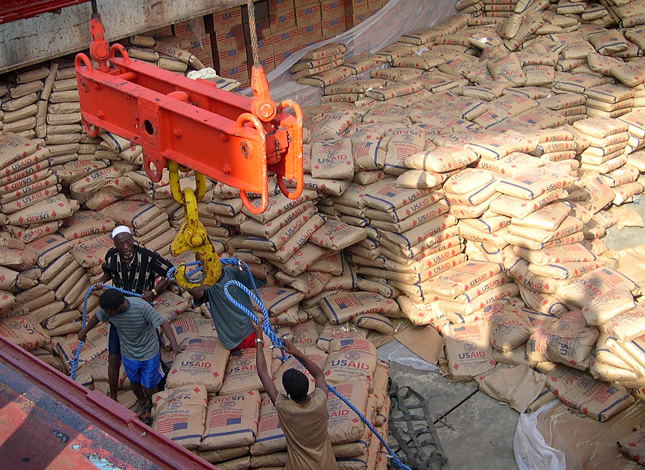
›Drought in Ethiopia, exacerbated by El Niño, has put more than 10 million people in a position of being unsure how long they will have food and where it will come from next. Inevitably, the drought has been compared to the infamous drought of 1983-1984 that led to the worst famine in the country’s history, making millions destitute, and contributing to the deaths of 400,000. But Ethiopia is in a very different place today than it was in 1983.
-
Solomon Greene et al., Urban Wire
To Foster Sustainable Development, Cities Need Data – and Permission to Use It
›Cities are where sustainable development challenges like poverty and disaster risk are felt most acutely, particularly as the world’s population shifts to urban areas. But cities can also be incubators for the policies to address those challenges, and local leaders increasingly hold the keys to fostering inclusive growth and mitigating climate change.
Showing posts from category economics.