-
Rear Admiral Neil Morisetti on Opportunities for Transatlantic Cooperation on Climate Change, Energy
›
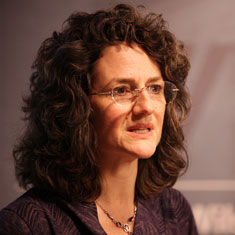
“We’ve got real pressure on key natural resources: food, water, energy, and land,” says Rear Admiral Neil Morisetti, the U.K. Foreign and Commonwealth Office’s special representative on climate change, in this week’s podcast. “But what we haven’t got, if I can use the words of Winston Churchill, we haven’t got ‘action this day.’”
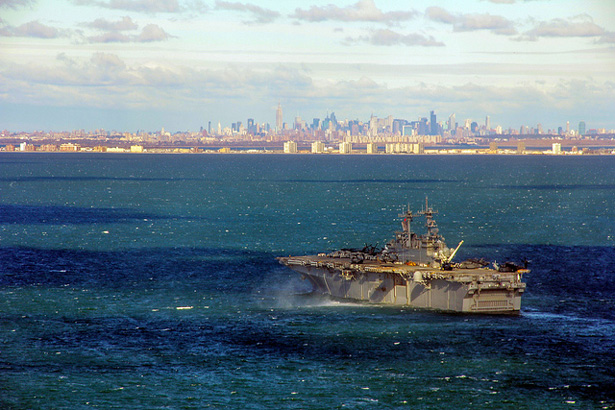
“Morisetti spoke at the Wilson Center on June 6 for the launch of The Climate and Energy Nexus: Challenges and Opportunities for Transatlantic Security, by CNA and the Royal United Services Institute. As climate change threatens stability in some places, energy security has emerged as a key vulnerability to Western militaries’ abilities to respond to conflict and assist in disaster relief operations, says Morisetti.
-
Natalia Machuca, USAID
New Demographic and Health Survey Shows Positive Results in Haiti
›July 30, 2013 // By Wilson Center Staff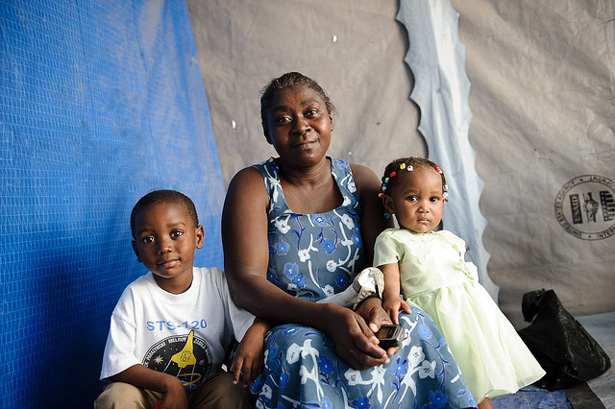
The original version of this article, by Natalia Machuca, appeared on USAID’s Impact blog.
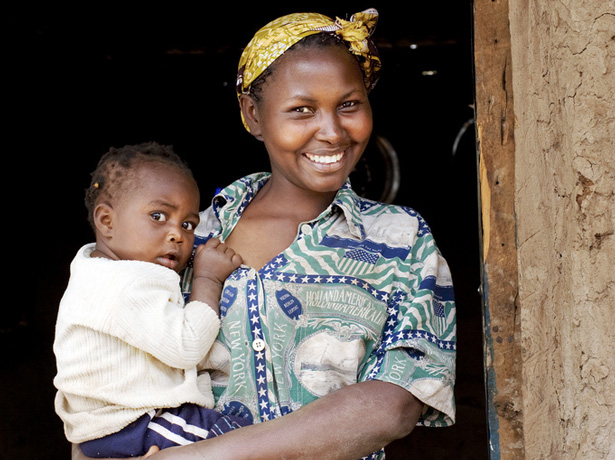
A newly released nationwide health survey of Haiti shows continuing positive trends on key health-care indicators in particular those of Haitian women and children. The latest survey, undertaken by the Haitian Ministry of Public Health and Population, was conducted in 2012 and compares with the prior survey done in 2006. It shows steady improvements among key indicators despite significant health challenges in Haiti due to the 2010 earthquake and cholera outbreak. Of note were improved indicators for child vaccination and malnutrition, infant and child mortality, women’s health, and contraception use. The report indicated no increase in HIV prevalence, which remained steady.
-
Reproductive Health Organizations Embrace Cross-Sectoral Partnerships in Africa
›“The places in the world where the environment is most fragile, women’s health is most fragile,” said Leila Darabi, director of global communications for the Planned Parenthood Federation of America, at the Wilson Center. “The negative impacts on the environment tend to affect women the most. Women are the people who are planting kitchen gardens, women are traditional healers, and so they often feel the impact first when those things are degraded.”
-
Youth Farming and Aquaculture Initiatives Aim to Reduce Food and Political Insecurity in Senegal
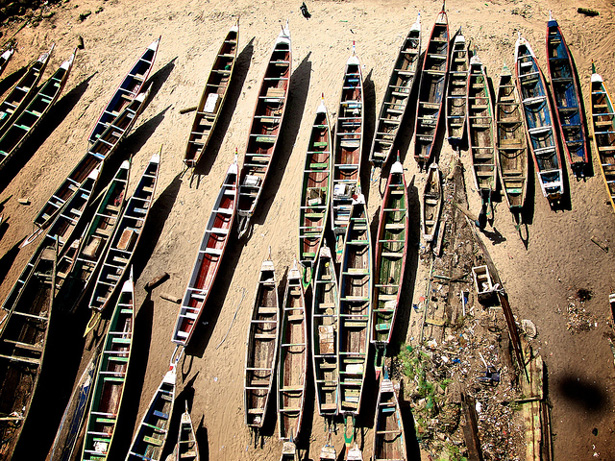
›The 2011-12 West African food crisis led to riots in Senegal and Burkina Faso as well as food insecurity for millions of rural and urban poor across the region. The crisis emerged from a number of factors, including instability in northern Mali, increases in global food prices, and low rainfall in the 2010-2011 and 2011-2012 growing seasons. Many countries in the region are now reassessing and expanding domestic agricultural capabilities. At the top of the agenda for Senegal, a democratic republic on track to reach many Millennium Development Goals, is reducing youth unemployment and increasing domestic agricultural capacity.
-
Measuring Community Resilience: Implications for Development Aid
›A staggering amount of development dollars – one in three, in fact – are lost due to natural disasters and crises. Certain communities are less affected than others by such disasters; they are more resilient. Knowing where vulnerability and strength exist and how to bolster them could help avoid these losses. Yet, today, very little data exists to help development practitioners understand which adaptive capacities are lagging in a given community.
-
Looking Back to Get Ahead: FEMA’s Strategic Foresight Initiative on Natural Disaster Preparedness
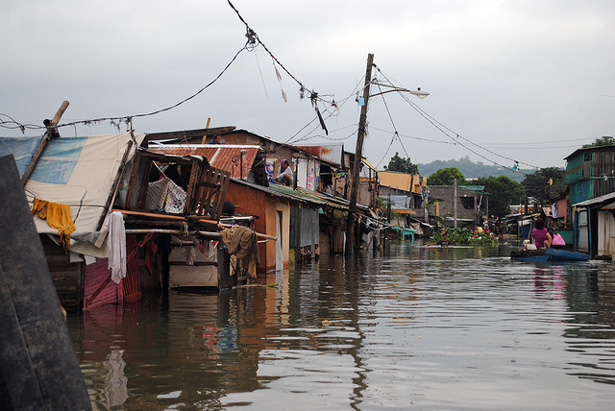
›Natural disasters have dominated news coverage in the past several years, with many observers noting a distressing rise in the frequency and scale of disasters as well as rising costs. Despite these worrying trends, a critical mass of leadership and public support for doing something about it is emerging.
-
Bouncing Back: How Do Population Dynamics and Social Cohesion Affect the Resilience of Societies?
›“The scale and the impact of disasters today can be greater than anything we’ve previously experienced,” said Laurie Mazur at the Wilson Center on March 18. “The proliferation of disasters has gotten a lot of people talking about resilience, about how we can lessen our risk and how we can recover more quickly from disasters of all kinds.” [Video Below]
-
Laurie Mazur: Build on Natural Tendencies to Strengthen Social Resilience
›
“The proliferation of disasters has gotten a lot of people talking about resilience, about how we can lessen our risk, and how we can recover more quickly from disasters of all kinds,” says Laurie Mazur in this week’s podcast.
Mazur describes the qualities of communities that can weather adversity, including social cohesion and the ability to make decisions for themselves. Above all, she reiterates that “humans are nothing if not resilient,” and the governance structures and disaster mitigation schemes we employ should capitalize on that native resilience, rather than infringe upon it.
Showing posts from category disaster relief.