-
Unveiling the Dark Places: Urbanization, Economic Change, and Gender-Based Violence
›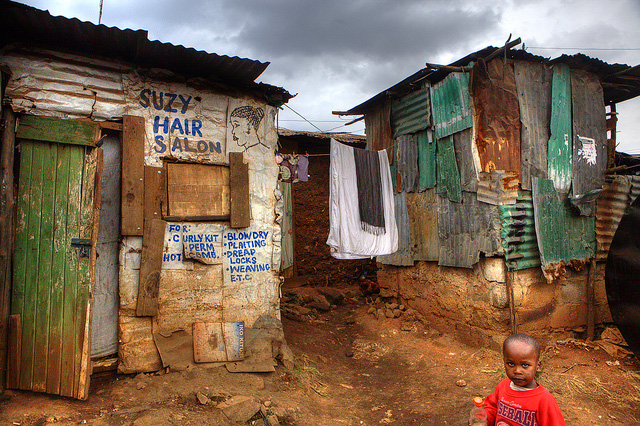
“If there was a perfect slum, Kibera would be it.” The notoriously overcrowded and underserved settlement in the Kenyan capital of Nairobi captivates the public imagination, engendering visions of urban violence, poverty, and hopelessness, said Caroline Wanjiku Kihato of the University of the Witwatersrand at the Wilson Center on February 18. The area was ravaged by ethnic violence that erupted across the country following Kenya’s disputed 2007 elections, pitting neighbor against neighbor in tribal clashes that killed more than 1,000 people, displaced many thousands more, and provoked an alarming surge in sexual violence.
-
Climate Change and National Security in an Age of Austerity: The 2014 Quadrennial Defense Review
›March 7, 2014 // By Kate Diamond
Earlier this week, the Department of Defense released its first Quadrennial Defense Review since fiscal cliffs, shutdowns, and spending cuts hit the federal government. Not surprisingly, “austerity” shows up in almost every chapter of the report. What shows up even more? Climate change. For the second QDR in a row, the Pentagon has called out climate change as a “significant challenge for the United States and the world at large.”
-
Alison Brysk: Urbanization, Economic Change Hidden Drivers of Gender-Based Violence
›
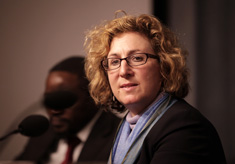
Gender-based violence in developing countries is more than just a product of culture, war, extreme poverty, or historical patriarchy; it’s also a result of rapid economic change and urbanization, according to Alison Brysk, a fellow at the Wilson Center and the Mellichamp professor of global governance at the University of California, Santa Barbara.
-
Better Mapping for Better Journalism: InfoAmazonia and the Growth of GeoJournalism
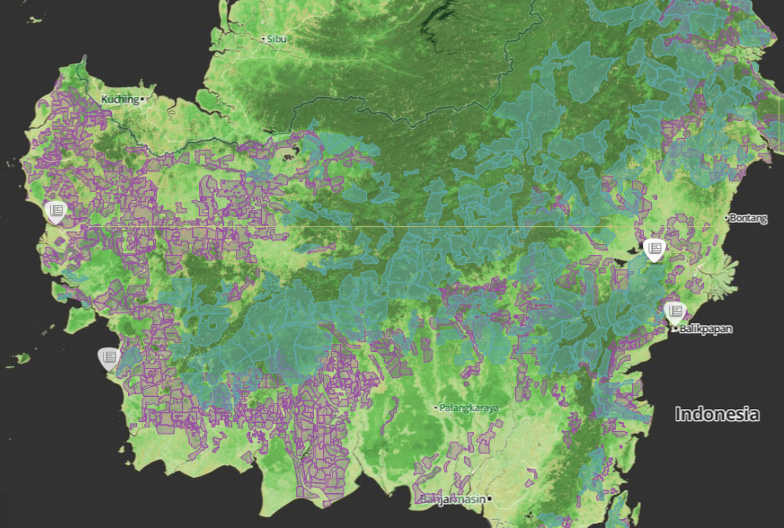
›Nearly every local story has a global context. This is especially true when it comes to the environment, and there may be no better way to show that context than through visualization. But in developing countries, where so many important changes are happening, journalists often lack the resources or skills to make data visualization a part of their repertoire.
-
Talking Science: Climate Change and Health Communications in a Skeptical Era
›Communicating complex scientific concepts to general audiences is difficult given today’s information overload. Capturing the attention of time-pressed policymakers long enough to explain multifaceted issues like climate change and global health is an even greater challenge. The Environmental Communications Division of the National Communication Association co-sponsored two panels at the Wilson Center on November 22 featuring communication directors and professors of communications to explore this issue. [Video Below]
-
The Year That Resilience Gets Real
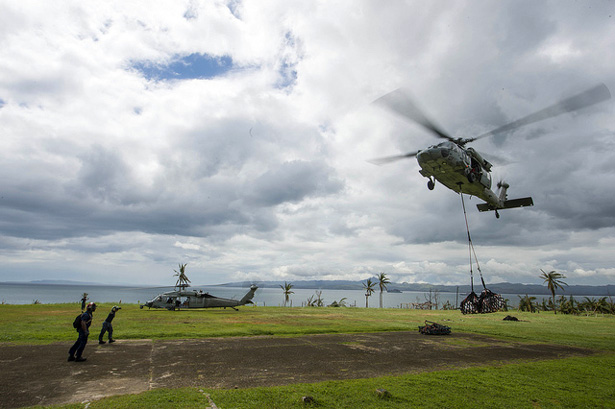
›2014 promises to be a superlative year – and that’s not necessarily a good thing. Complex, “super” disasters like Super Typhoon Haiyan are becoming more frequent, more systemic, and more destructive. Global trends, from population dynamics to food, water, and energy scarcities, threaten to further complicate the playing field. But by finally getting serious about resilience – the much discussed buzzword of 2013 – we might reduce our vulnerability, restore our communities, and build back better, rather than just picking up the pieces.
-
Development vs. Conservation: Global Trends in the Battle Over Oil in Ecuador’s Yasuní Rainforest
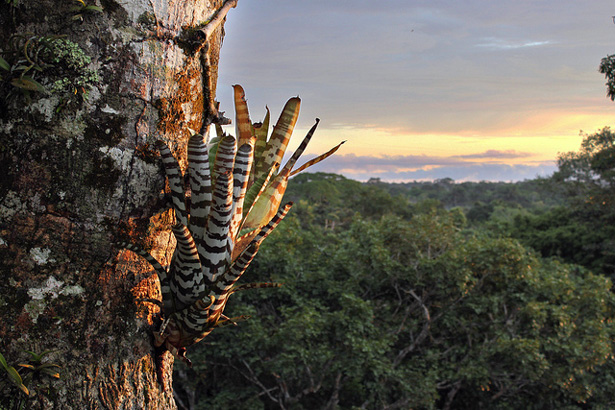
›Ecuador, the OPEC member with the smallest amount of proven oil reserves, has gained outsized attention in the debate over the future of oil extraction in recent days and may well play a decisive role in the outcome of the global tension between economic development and environmental conservation.
-
Codi Yeager-Kozacek, Circle of Blue
Water a Key Issue As Developing Countries Drive Growth in Global Food Production
›August 22, 2013 // By Wilson Center StaffThe original version of this article, by Codi Yeager-Kozacek, appeared on Circle of Blue.
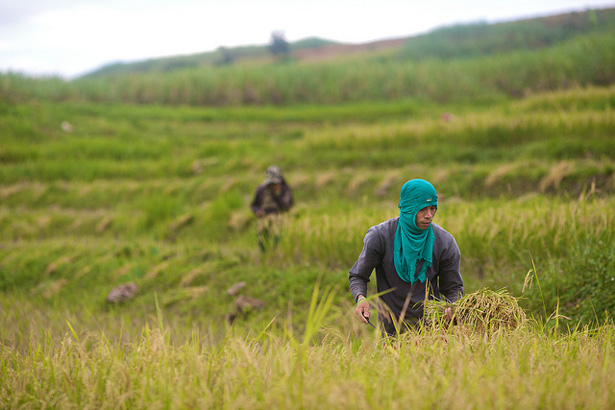
Developing countries will account for much of the world’s growth in agricultural production, demand, and trade during the next decade, as production growth in developed countries slows, according to reports from leading food policy organizations. The shift will pose challenges for the quality and abundance of water supplies in regions like South America, Asia, and Africa.
Showing posts from category Brazil.