-
New Security Beat’s Biggest Stories of 2018
›
In 2018, our readers came to New Security Beat to understand how individuals and communities cope in the face of environmental uncertainty, particularly when the rule of law, natural resource management, and social services are lacking.
-
Top 5 Posts for November 2018
›
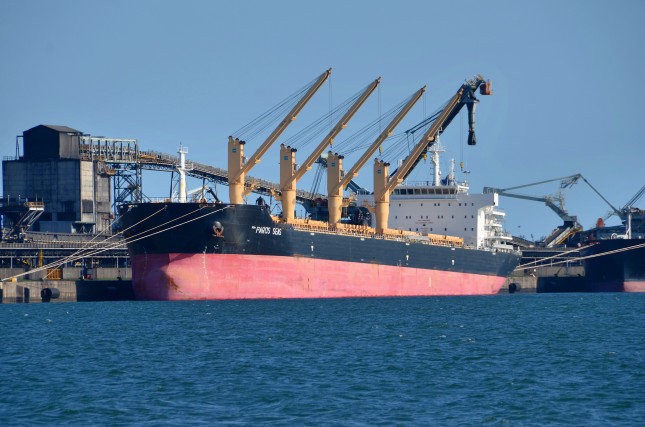
China is installing more renewable energy capacity than any other country in the world. At the same time, its energy market is so large that the coal power capacity it is installing is equal to the entire U.S. coal fleet and is supporting high polluting coal projects in developing countries. Evan Barnard reports on this dichotomy in November’s most read post.
-
Demographic Transitions and Ecological Tipping Points: Top Posts for October 2018
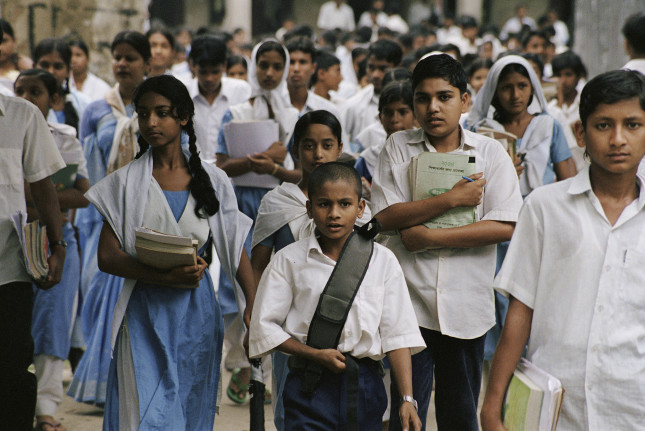
›Once the same country and demographic twins, Bangladesh and Pakistan have diverged greatly in demographics since Bangladesh’s independence in 1971. Richard Cincotta and Elizabeth Leahy Madsen take a look at how despite the country’s vulnerability to extreme weather, sea-level rise, and Islamic extremism, Bangladesh’s bulge of working-age adults with relatively small proportions of seniors and young children offers potential for sustained development.
-
Sand, Water, and Conflict: Top 5 Posts of September 2018
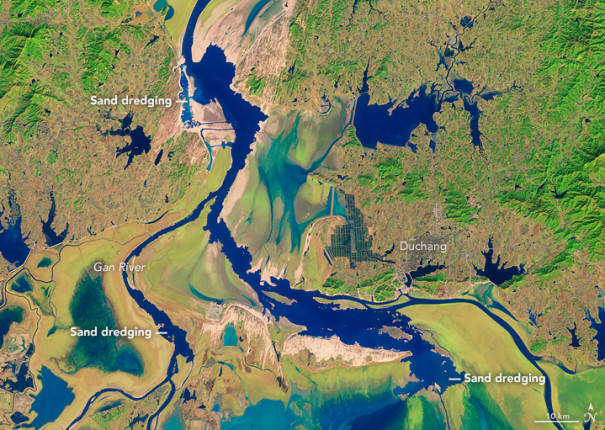
›Can the ocean and river ecosystems of the world survive the sand dredging needed to supply the cement for global construction? In September’s most popular post, Kimberly Yang explores the impact that widespread sand mining is having on China’s rivers and coastal waters, driven by China’s construction boom. The consequences are significant, but Chinese construction and real-estate companies are exploring ways to lessen the environmental impact of sand dredging.
-
Fish Wars, Deadly Dams, and Water Laws: Top Posts for August 2018
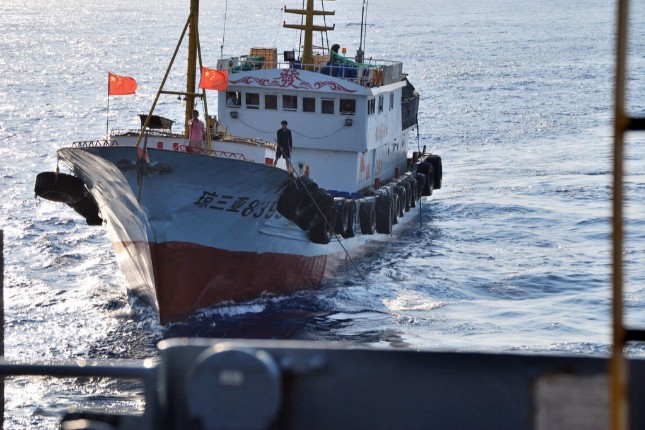
›Are we headed for a global fish war? In our top post for August, Vulcan’s Johan Bergenas argues that “fish may become the newest addition to the list of resources driving geopolitical competition.” In “Like Water and Oil: Fish as a Geostrategic Resource,” he identifies five parallels between oil and fish that point to the need for a more sustainable fishing industry.
-
Women’s Health, Population, Water, and Waste: The Top Posts for July 2018
›Breast and cervical cancer, the leading forms of cancer among women in India, threaten not only women’s physical health but also their mental health, due to the stigma it brings to them and their families. In July’s top post, Yuval Cohen writes about Wilson Center Public Policy Fellow Cecilia Van Hollen’s research on the connections between agricultural chemicals, breastfeeding, gendered work, poverty, and spiritual beliefs in India, featured in her upcoming book, “The Curse of the Kali Yuga: Searching for Meaning and Care for Cancer in India.”
-
Geoengineering, Water, and Population: Top Posts of June 2018
›With climate adaption and mitigation efforts failing to keep pace with climate-related risks, the need for a global regime on geoengineering will be increasingly pressing, write Elizabeth L. Chalecki and Lisa Ferrari in June’s top post. The norms of just war theory could provide a starting point for developing a code of conduct for geoengineering.
-
Pangolins, Terrorism, and Blockchain: May’s Top 5 Posts
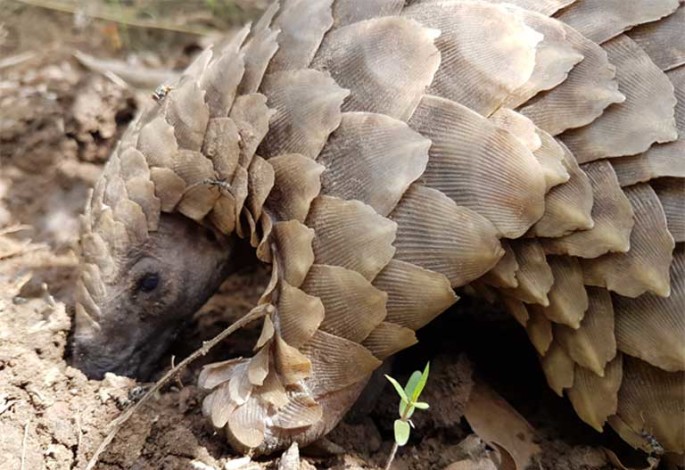
›Pangolin trafficking has reached critical levels, writes Wilson Center Global Fellow Sharon Guynup in May’s most popular post. Originally published in Mongabay, “Pangolins on the Brink” tracks the expansion of the deadly trade in this unique species across Africa, India, China, and even the United States.
Showing posts from category What You Are Reading.