-
Wilson Center Premieres ‘Healthy People, Healthy Environment’ and ‘Transcending Boundaries’ at Environmental Film Festival
›Environmental security and international development aren’t typical movie-going fare, but at the 2013 DC Environmental Film Festival, ECSP premiered two short documentaries with unique environmental stories: Healthy People, Healthy Environment: Integrated Development in Tanzania shows how improving health services and environmental conservation can empower coastal communities in Africa; and Transcending Boundaries: Perspectives from the Central Albertine Rift Transfrontier Protected Area Network explores the opportunities for “peace parks” along the shared borders of Uganda, Rwanda, and the Democratic Republic of Congo.
-
Cat Lazaroff, Resource Media
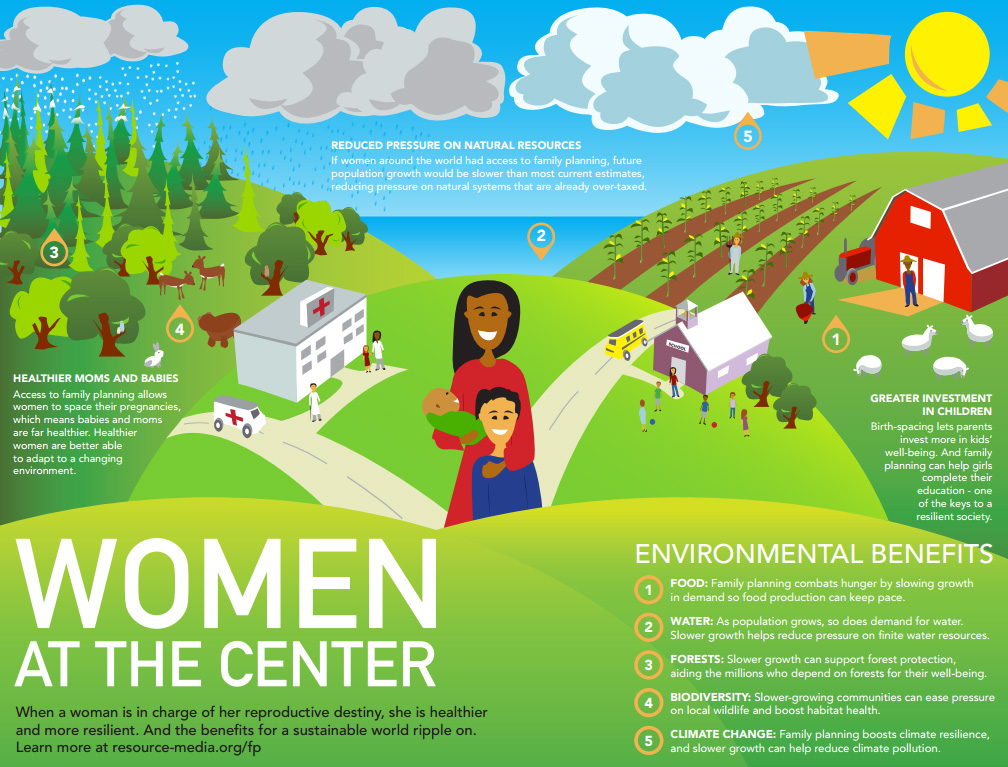
Infographic: Women, Reproductive Health at the Center of a Sustainable Future
›
The original version of this article, by Cat Lazaroff, appeared on Resource Media.
What does family planning have to do with Earth Day? More than you might think. Family planning gives women and families the tools they need to decide whether and when to have children – and that, quite literally, can mean the world.
-
Steven Gale on Futures Analysis at USAID
›
There’s renewed interest in looking at future trends at USAID, said Steven Gale, a senior advisor at the agency. But “we’re always asking ourselves, ‘what is the development goal that [USAID] wants to achieve, and how is this megatrend going to increase or decrease the actual probability’” of that goal will be met?
In this week’s podcast, Gale describes the role of futures analysis at USAID, including the history of past efforts and similarities to other forward-looking projects, like the National Intelligence Council’s quadrennial Global Trends reports.
-
Linking Governance and Positive Maternal Health Outcomes in Africa
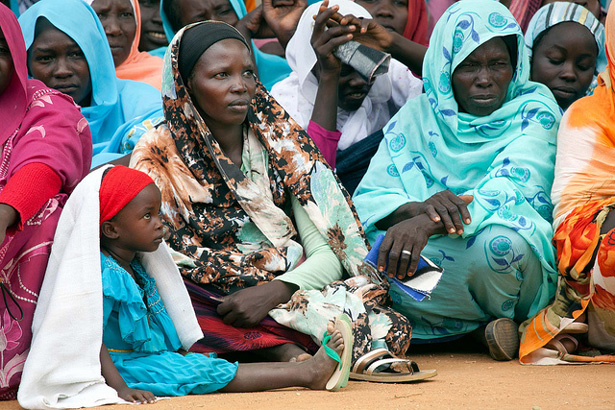
›Sub-Saharan Africa is perhaps the riskiest place for a woman to give birth. According to the United Nations Population Fund (UNFPA), African women comprise approximately 56 percent of the maternal deaths and 91 percent of HIV-related maternal deaths worldwide every year. In order to bring life into this world, women in Africa literally must put their own lives on the line.
-
Can Coffee Make Yunnan a Model for Chinese Agricultural Reform?
›Yunnan province is a microcosm of the intertwined natural resource challenges facing China. Dams, development, deforestation, drought, and climate change threaten China’s most biodiverse province – all while it increases its exports of agricultural products and electricity to China’s coastal provinces. These competing demands bring into question the sustainability of China’s development paradigm and the country’s environmental security.
-
Bouncing Back: How Do Population Dynamics and Social Cohesion Affect the Resilience of Societies?
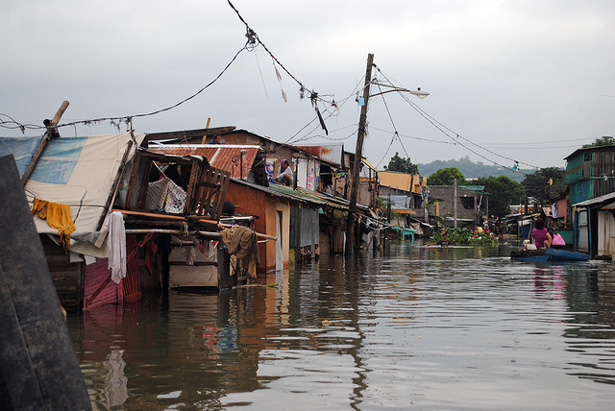
›“The scale and the impact of disasters today can be greater than anything we’ve previously experienced,” said Laurie Mazur at the Wilson Center on March 18. “The proliferation of disasters has gotten a lot of people talking about resilience, about how we can lessen our risk and how we can recover more quickly from disasters of all kinds.” [Video Below]
-
New Partnerships for Climate Change Adaptation and Peacebuilding in Africa
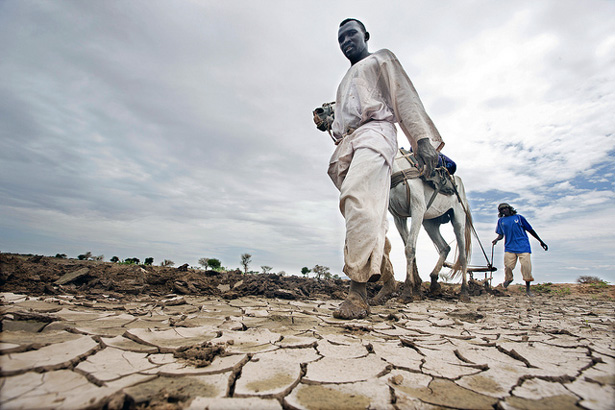
›“There is a huge gap between climate science, policymakers, and the end-users, in terms of understanding climate change and adaptation, and how that relates to conflict or peace,” concluded 26 experts from more than 10 countries across sub-Saharan Africa at the Wilson Center last fall. But “climate change adaptation is crucial to achieving Africa’s aspirations for peace, security, and sustainable development.”
-
Laurie Mazur: Build on Natural Tendencies to Strengthen Social Resilience
›
“The proliferation of disasters has gotten a lot of people talking about resilience, about how we can lessen our risk, and how we can recover more quickly from disasters of all kinds,” says Laurie Mazur in this week’s podcast.
Mazur describes the qualities of communities that can weather adversity, including social cohesion and the ability to make decisions for themselves. Above all, she reiterates that “humans are nothing if not resilient,” and the governance structures and disaster mitigation schemes we employ should capitalize on that native resilience, rather than infringe upon it.
Showing posts from category *Blog Columns.