-
Achieving the Demographic Dividend in Africa: Lessons From East Asia
›
In the latter half of last century, Thailand and other East Asian countries successfully capitalized on shifts in their age structures to gain a boost in economic productivity, a phenomenon known as the demographic dividend. Today, despite the hitherto sluggish pace of Africa’s demographic transition, scholars and politicians remain hopeful that similar changes on the continent may lead to faster development in coming decades. [Video Below]
-
Gorillas and Family Planning: At the Crossroads of Community Development and Conservation in Uganda
›
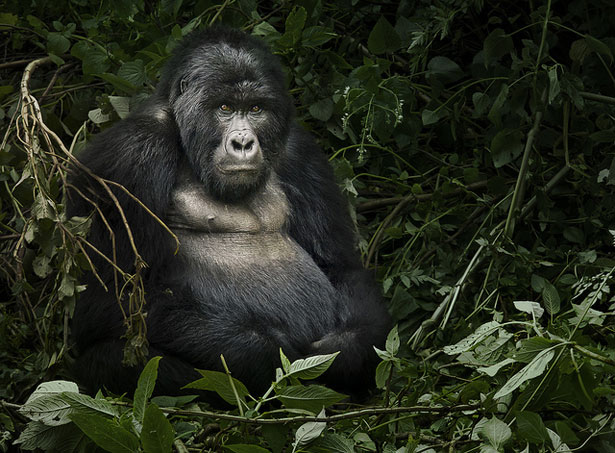
“Gorillas are very good at family planning; if we were like them, we’d be much better off,” said wildlife veterinarian Dr. Gladys Kalema-Zikusoka at the Wilson Center on September 26. The Conservation Through Public Health (CTPH) CEO and founder is celebrating 10 years of population, health, and environment (PHE) work in Uganda and the Democratic Republic of Congo, bringing health and livelihood interventions to people while protecting mountain gorillas around Virunga and Bwindi Impenetrable National Parks. [Video Below]
-
Curbing China’s Massive – and Destructive – Distant Water Fishing Fleet
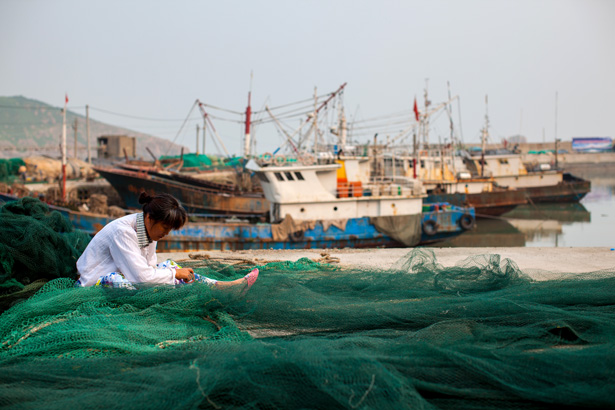
›Last month, two Chinese fishing boats were caught operating illegally in South Korean waters. The incident made local headlines and minor diplomatic waves, but it’s just a drop in the bucket in what has become a troubling trend for China’s foreign water fishing fleets. Over the last decade, there have been more than 4,600 cases of Chinese fishing boats being caught illegally in South Korea’s waters alone, according to the government, and these marine transgressions have not been limited to neighbors.
-
In Urban Planning for Climate Change, Pay Attention to Population Dynamics & Smaller Cities, Says Daniel Schensul
›
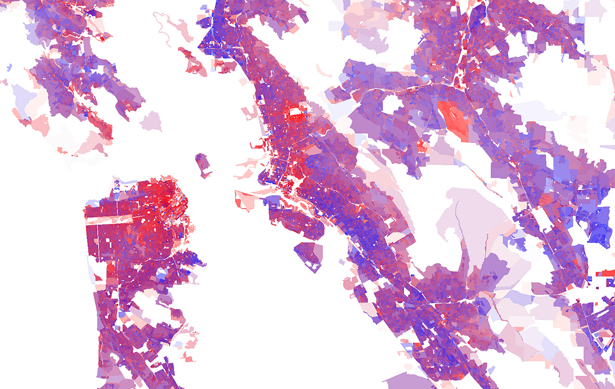
When it comes to coping with the effects of climate change, cities will be a crucial proving ground for adaptation efforts. Over the next few decades, the percentage of the world’s population living in urban areas is projected to increase to 67 percent – 6.3 billion people by 2050, according to the UN. But because three-quarters of the world’s major cities are located on coastlines, the growing percentage of urban residents means more people will be vulnerable to environmental stressors such as sea level rise and storm surges.
-
Climate Change in a Growing, Urbanizing World: Understanding the Demography of Adaptation (Book Launch)
›The effects of climate change are often conveyed through the lens of changing physical landscapes. Shifting weather patterns, the intensification of drought, flooding, and coastal erosion are all primary areas of climate research. But do researchers know enough about changes in the size, distribution, and composition of human populations as they relate to climate vulnerability? [Video Below]
-
Top 10 Posts for October 2013
›“We are coming up with solutions. That’s the story here – the resilience, not the vulnerability,” Saleemul Huq told us last month. Jacob Glass’s interview with Huq – later transcribed in full – was part of a look at Bangladesh’s budding aquaculture sector and one of the most popular new articles last month. Joining it were other newcomers, on storytelling and influencing policy; the annual Society of Environmental Journalists conference; Africa’s nexus of demography, environment, and security challenges; and 10 recommendations for the population, health, and environment (PHE) community from the BALANCED Project, as they finish five years of global programming.
-
“We Are Not Sitting Idle, We Are Fighting”: Interview With Saleemul Huq on Bangladesh’s Climate & Food Challenges
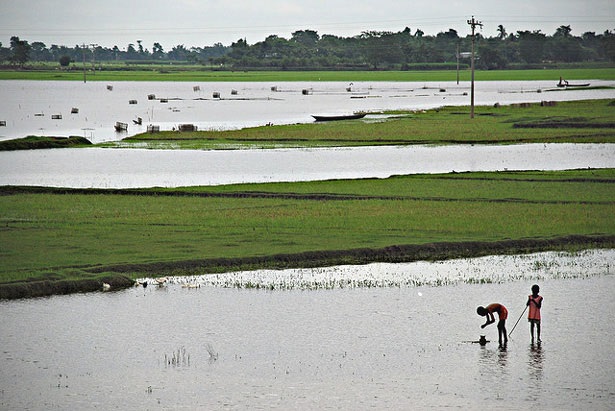
›When it comes to climate change vulnerability, it sometimes seems as if all eyes are on Bangladesh. As part of my research for a recent article exploring the rise of aquaculture in the country, I interviewed Saleemul Huq, senior fellow at the International Institute for Environment and Development in London, former executive director of the Bangladesh Center for Advanced Studies, and lead author of two chapters on adaptation and sustainable development in the IPCC’s third and fourth assessment reports. A number of his quotes made it into the final story but I wanted to provide the full transcript here as well, as his thoughts on the country’s climate-related risks, food security, and population dynamics are worth a read.
-
A Dialogue on Pakistan’s Galloping Urbanization
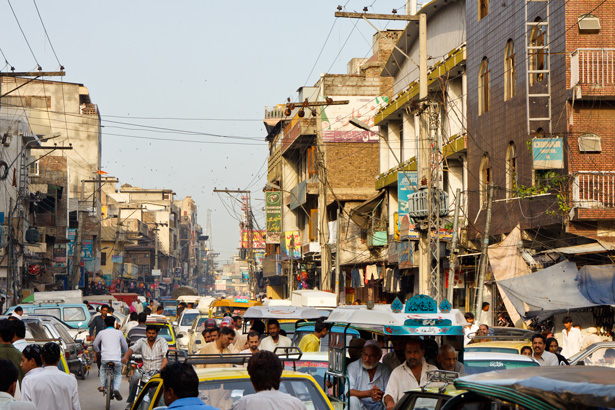
›Pakistan, long a nation defined by its large rural populations and dominant agricultural industries, is undergoing a dramatic urban shift.
According to UN Population Division estimates, the country is urbanizing at a three percent annual rate – the fastest pace in South Asia. In barely 10 years, nearly 50 percent of Pakistan’s 180 million people will live in cities (a third do today). Pakistani government projections using density-based rather than administrative definitions of urbanization suggest that Pakistan’s urban population has already reached 50 percent.
Showing posts from category *Blog Columns.