-
India’s Faltering Energy Production, Damaged Water Resources Demand Modi’s Close Attention
›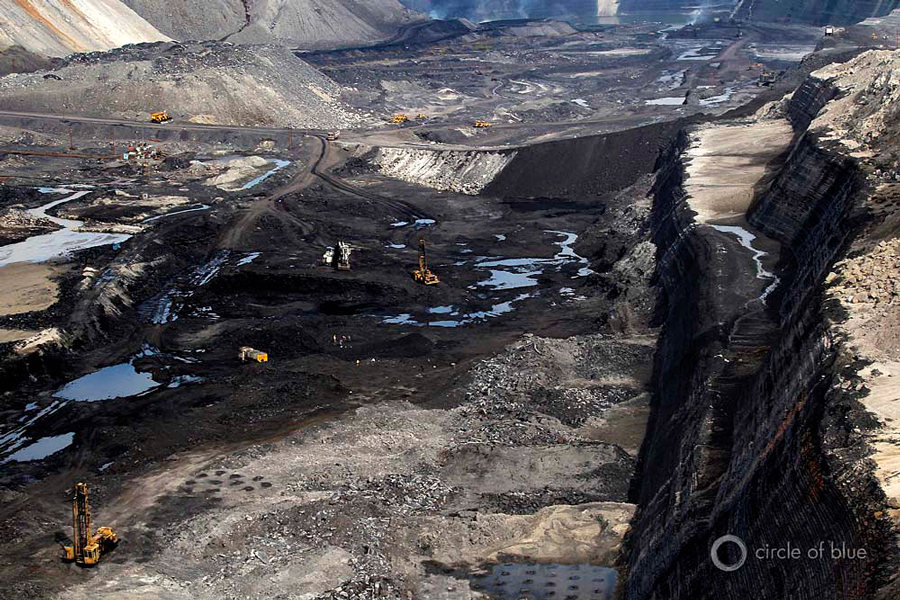
India’s new prime minister swept into office in May on a message of aspiration and a reputation for action.
During the nearly 13 years that Narendra Modi served as chief minister of Gujarat before becoming prime minister, his successes included drastically curtailing the number of hours that manufacturers in India’s premier industrial state went without electricity. The state’s transmission grid was strengthened and he promoted the development of 900 megawatts of solar generating capacity (equivalent to a large nuclear plant).
-
Addressing Reproductive Health and Rights in a Post-MDG World Begins With Inequality
› The importance of reproductive health and rights in responding to global climate change and facilitating sustainable development is becoming increasingly clear. But as two articles recently published in The Lancet explain, any post-Millennium Development Goals development agenda that hopes to address these issues must do a better job reaching populations that have largely been excluded from recent advancements.
 -
Antenatal Care as an Instrument of Change: Innovative Models for Low-Resource Settings
›A roadside billboard in Malawi reads: “No woman should die while giving life.” But in many countries, death or grave injury during childbirth is an all too frequent occurrence. [Video Below]
-
Quality vs. Quantity: Faith Muigai on Providing Antenatal Care in Nairobi
›
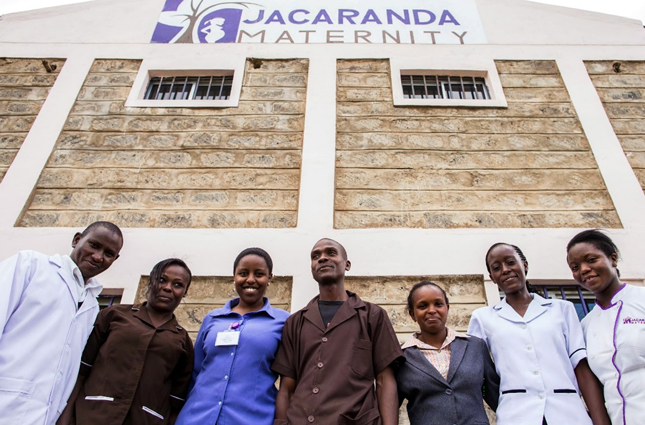
In the quest to improve maternal health care for the world’s poorest women, getting more mothers into clinics for regular check-ups during pregnancy is often trumpeted as a critical starting point. But delivering antenatal care to women in low-resource settings is as much about quality as it is about quantity, says Faith Muigai in this week’s podcast.
-
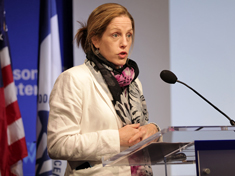
Environmental Dimensions of Sustainable Recovery: Learning From Post-Conflict and Disaster Response
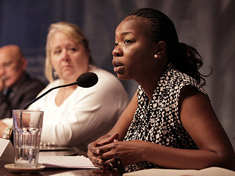
›“Environmental specialists need to change,” said Anita van Breda at the Wilson Center on June 25. “In the new normal, our work has to have a different relevancy.” [Video Below]
-
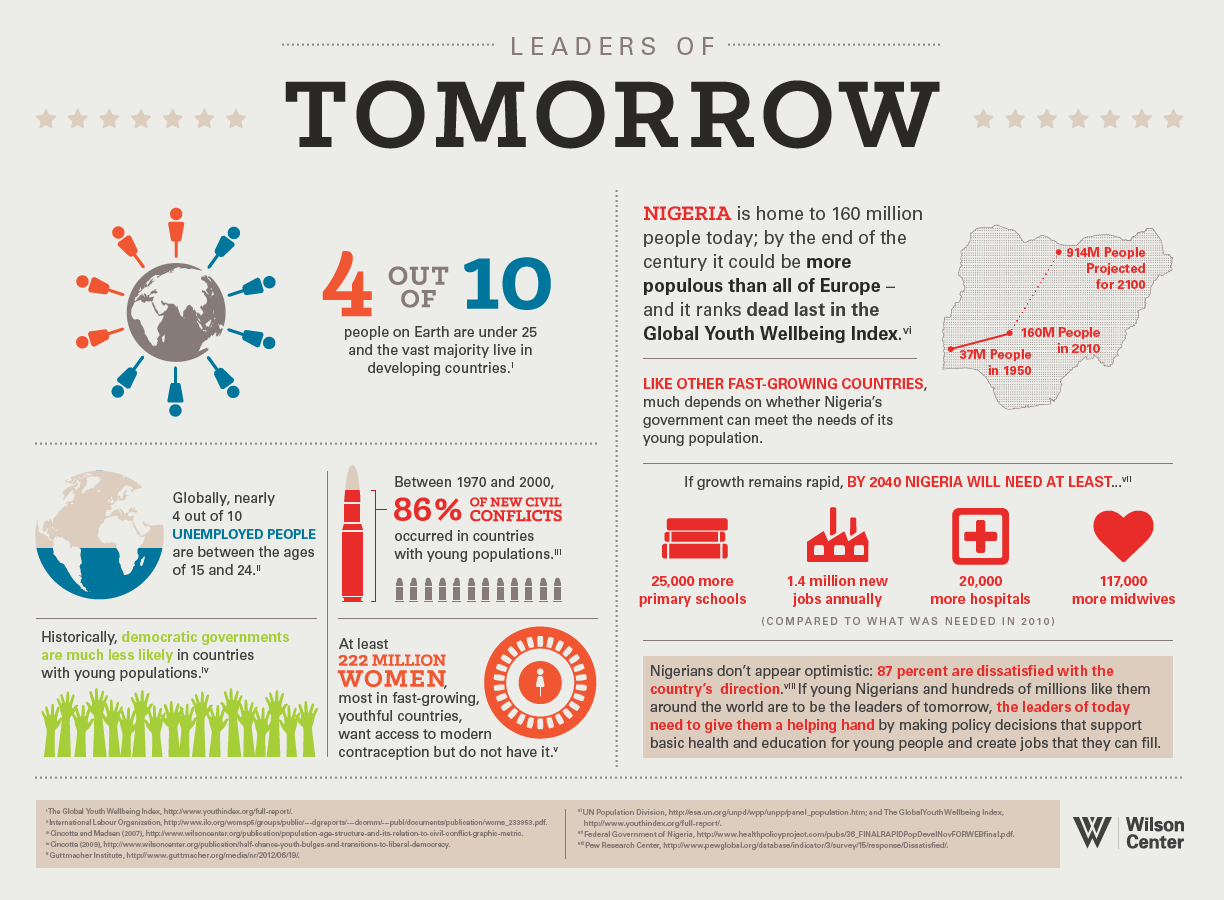
Investing in the Leaders of Tomorrow: World Population Day 2014 Youth Infographic
›World Population Day began in 1987 after public imagination was sparked by the idea that there could be 5 billion people on Earth. Today, we’re well past 7 billion and according to the latest UN projections, headed north of 9 billion by mid-century.
-
Alice Thomas: For Refugees, Environmental Recovery Critical for Return to Normalcy
›
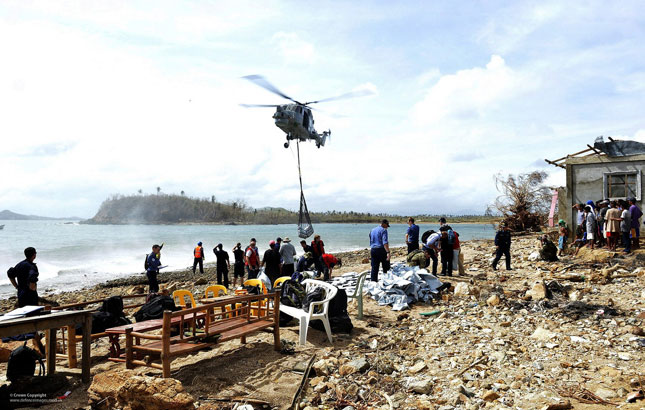
There are now well over 16 million refugees worldwide and 65 million people internally displaced by conflict and disasters, according to recent estimates. As more and more people are uprooted from their homes, mounting environmental pressures threaten to reinforce cycles of poverty and displacement if left unaddressed, says Alice Thomas in this week’s podcast.
-
Seven Billion People, One Planet: Roger-Mark De Souza on Empowering Young People
›“Population is critical to thinking about sustainability and human wellbeing, and how we live and subsist on the planet,” says ECSP’s Roger-Mark De Souza on this World Population Day.
Showing posts from category *Blog Columns.