-
The First-Ever White House Maternal Health Day of Action – Access to Care is Critical
›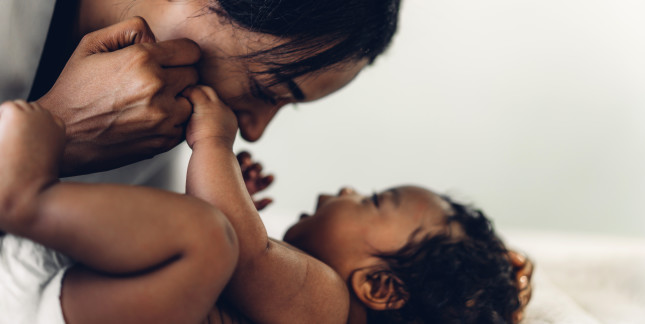
“Regardless of income level, regardless of education level, Black women, Native women, women who live in rural areas are more likely to die or be left scared or scarred from an experience that should be safe and should be a joyful one; and we know a primary reason why this is true – systemic inequities,” said Vice President Kamala Harris during her opening remarks at the first-ever White House Maternal Health Call to Action Summit on December 7, 2021. Members of Congress and maternal health advocates gathered to discuss the importance of addressing racial disparities and systemic challenges in maternal health through national policy.
-
Caring for Those Who Give Care: How COVID-19 Created a Crisis for Caregivers
›
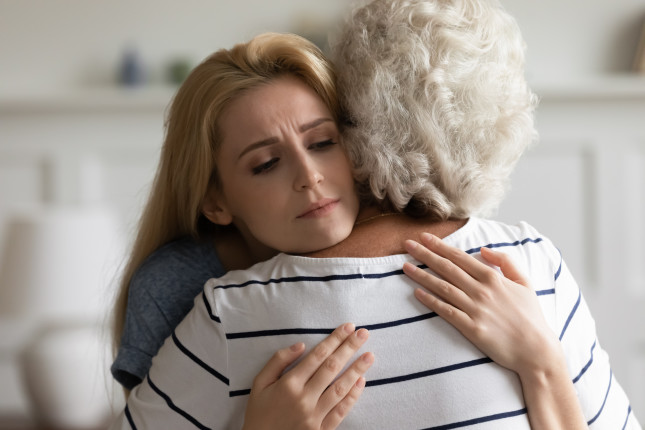
“We’re always coping with a change,” said Denise Brown, Founder of the Caregiving Years Training Academy and a caregiver for her elderly parents. “And the change is often outside of our control.” She spoke at a recent event focused on the caregiving crisis, hosted by EMD Serono, the healthcare business of Merck KGaA, Darmstadt, Germany in the United States and Canada. When the doors to daycares, elder day residences, and adult care facilities closed at the start of the COVID-19 pandemic, many Americans had to step into caregiving roles. “We’re doing our best to manage the change and keep going,” said Brown. “Because so many people rely on us and depend on us, we have to keep going.”
-
The Changing Face of the Global Humanitarian Crisis: Gender, Climate Change, and Humanitarian Interventions
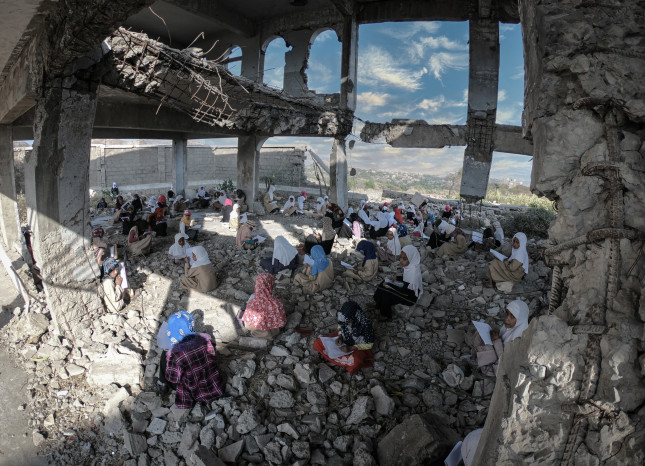
›“In a changing world with galloping, growing needs, we can’t keep making the same efforts, issuing the same pleas, and just write bigger and bigger checks and expect different results,” said Samantha Power, Administrator of the United Agency for International Development (USAID), at the launch of the Global Humanitarian Overview, co-hosted by the Center for Strategic and International Studies, USAID, and the UN Office for the Coordination of Humanitarian Affairs (UNOCHA). “We must change the ways we deliver humanitarian assistance to include full participation, design, and leadership from local populations and organizations, from women and marginalized peoples who can help develop truly sustainable solutions to the risks they face in their own communities,” said Power.
-
Women’s Work is Essential and Undervalued During the COVID-19 Pandemic
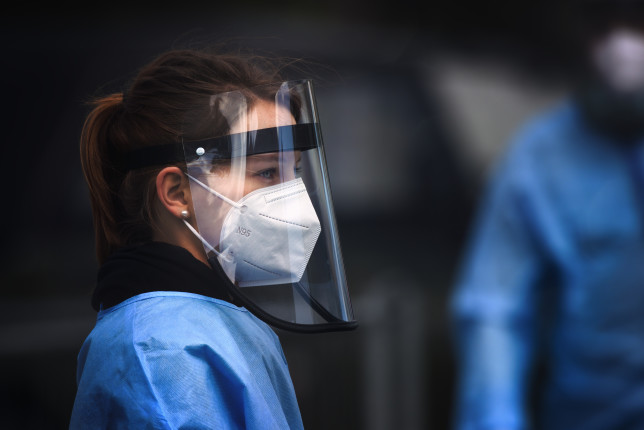
›“Nearly 70 percent of the lowest wage workers in the United States are women,” said Nicole Berner, General Counsel to the Service Employees International Union (SEIU) at a recent event on the COVID-19 pandemic’s impact on women and essential workers, hosted by the Global Institute for Women’s Leadership.
-
Integrating Environmental Protection and Conflict Prevention: Risk, Resilience, and Community Solutions
›“The world’s least resilient countries—when faced with ecological stress—are more likely to face civil unrest, political instability, social fragmentation, and economic collapse,” said Cynthia Brady, ECSP Global Fellow and Senior Advisor, at an event hosted by the Alliance for Peacebuilding. These “vulnerabilities are clearly mutually reinforcing, but some of the solutions are mutually reinforcing too,” said Brady. The critical challenge now is to bridge the gap between traditionally siloed communities of practice in conflict prevention and conservation.
-
‘Women’s Bodies are No One’s Battlefields’: Preventing War and Conflict-Related Sexual Violence
›“Since time immemorial, rape has been used to control women’s sexuality, labor, and reproduction, to shred the social fabric, to conquer territories and populations, and crush the enemy’s moral and will to resist,” said Under Secretary General Pramila Patten, UN Special Representative on Sexual Violence in Conflict, at an event focused on addressing conflict-related sexual violence (CRSV) organized by The Secretary’s Office for Global Women’s Issues, Search for Common Ground, and the Georgetown Institute for Women, Peace, and Security. In the past two decades, legislative reform, sanctions against perpetrators, and systematic reporting have slowly transformed the climate of impunity surrounding CRSV, said Patten.
-
Sustainable Responses to Human Mobility, Climate Change, and Conflict
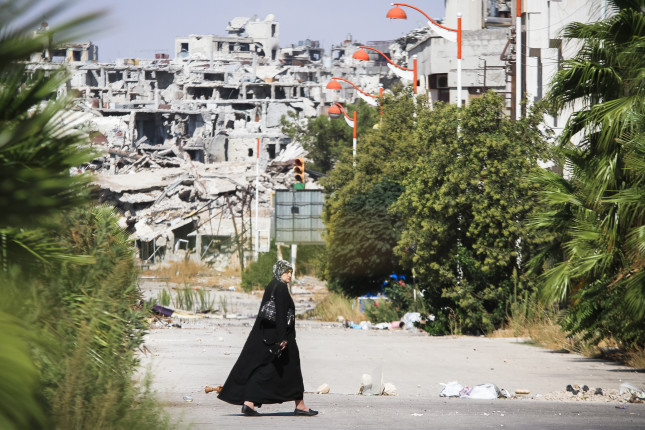
›“We should not see people moving as a security threat. People do not move if they’ve got a better option. As a community, one of our responsibilities is to provide people with the options,” said Andrew Harper, Special Advisor to the UNHCR High Commissioner for Climate Action, at a discussion on human mobility, climate change, and conflict hosted at the 2021 Berlin Climate and Security Conference. “We need to ensure that projects and activities that have been put in place are not short term, but are geared up to be addressing the challenges that the world will be facing within five to ten years’ time.”
-
Localized Responses to Gender-Based Violence Leave Women-led Organizations Behind
›One in five women who is forcibly displaced will experience sexual violence, said Charlotte Slente, Danish Refugee Council Secretary-General at a roundtable on the prevention of gender-based violence in humanitarian crises during the 76th session of the United Nations General Assembly. The high-level roundtable was hosted by the Government of Denmark in partnership with several other international bilateral agencies, as well as women-led organizations.*
Showing posts from category On the Beat.