-
Bipartisan Lawmakers Fight Illegal Wildlife Trafficking, Promote Smart Development for Conservation
›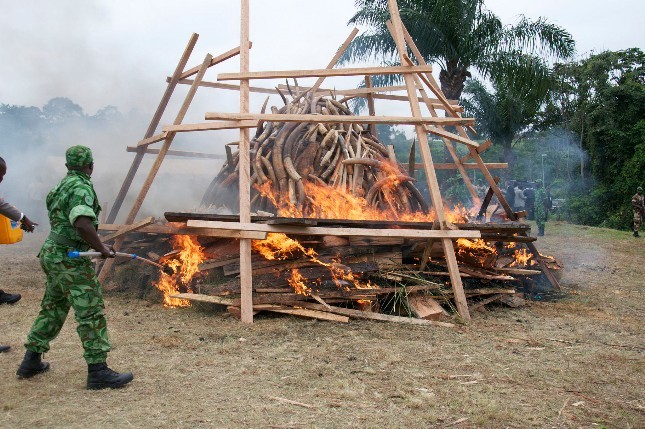
“In the last decade, almost half of Africa’s elephants have been killed for their ivory, and some experts are predicting that both elephants and rhinoceros will be extinct by 2030,” said Nancy Lindborg, President of the U.S. Institute of Peace at a recent event on wildlife poaching and trafficking. The illegal trade in protected wildlife is worth US$7-10 billion—some of which has ended up in the pockets of armed groups like Al-Shabaab and the Lord’s Resistance Army, said Lindborg.
-
Forever Young: Engaging Youth to Build Stability and Reduce Violence
›
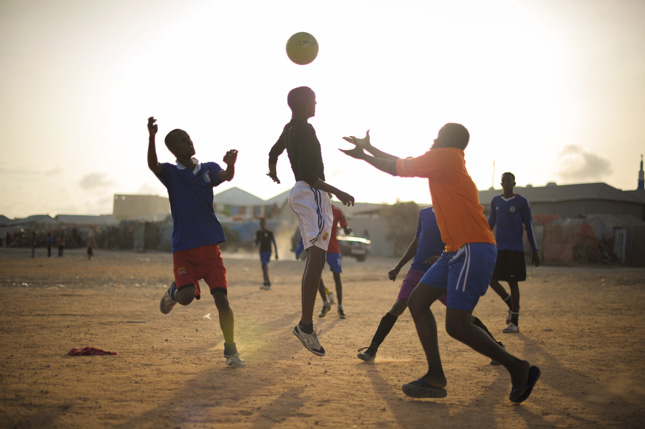
“There are more young people in the world today than in any other time in the history of the world,” said Beza Tesfaye, Senior Researcher at Mercy Corps, at a recent event at the U.S. Institute of Peace on Mercy Corps’ efforts to engage youth in Somalia and Afghanistan in order to promote stability and prevent violence. “As we know, marginalized youths are the ones often to be recruited into violent movements. Not only do we have to focus on conflict, but we also have to put youth at the center of development programs to address these issues.”
-
Coastal Resilience on Capitol Hill: Protecting the United States’ Infrastructure, Economy, and Security
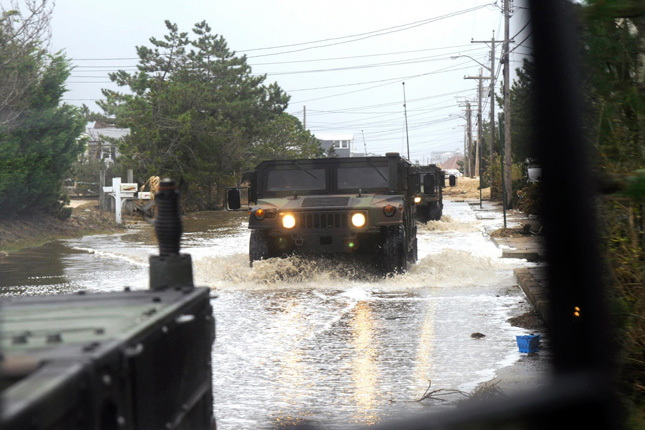
›Every dollar invested in preparing for natural disasters could save seven dollars, said Alice Hill, Research Fellow at the Hoover Institution, at a recent briefing on Capitol Hill. Catastrophic events like Superstorm Sandy present significant financial risks to U.S. businesses, the federal treasury, and the global economy. These complex emergencies have taught us that “everything is connected: our transportation system failed, our health sector failed,” said Hill, in the wake of these storms.
-
From Day One: Malawi President Joyce Banda on Girls Ages 0-10
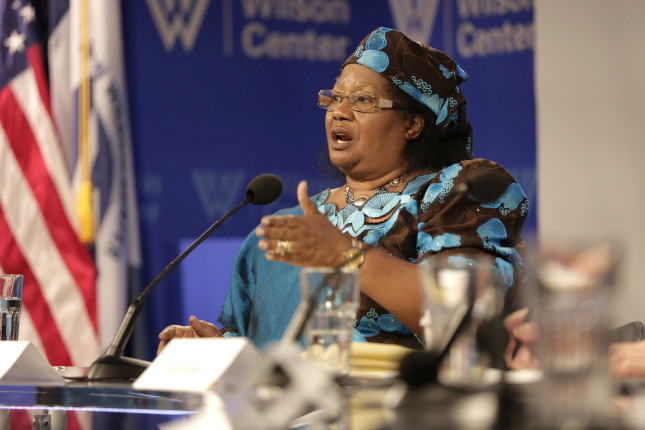
›“Over 130 million girls around the world are not in school through no fault of their own,” said Her Excellency Joyce Banda, former president of the Republic of Malawi, at the launch of her new book, From Day One: Why Supporting Girls Aged O to 10 Is Critical to Change Africa’s Path, at the Center for Global Development.
-
Measuring Up: USAID Proposes New Indicators to Assess Countries’ “Journey to Self-Reliance”
›“At the heart of…USAID’s transformation, is the core belief that each country must lead its development journey, and finance and implement solutions to its development challenges,” said Susan Fine of USAID at a recent Center for Global Development event introducing USAID’s new “Journey to Self-Reliance ” indicators.
-
Taking Our Power Back: Women and Girls Are Key to Food Security During Conflict
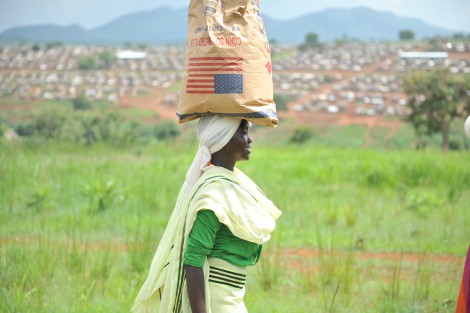
›“Gender equality and women’s empowerment [need to be] at the center of the fight against extreme poverty, hunger, and malnutrition, and also in any efforts to build sustainable peace,” said Ilaria Sisto at a recent CSIS event on the critical role of women and girls in ensuring food and nutrition in times of conflict.
-
Inclusive Disaster Risk Reduction: Women and Climate Change Adaptation
›According to a 2015 Georgetown University report on women and climate change, “the impacts of climate change – droughts, floods, extreme weather, increased incidence of disease, and growing food and water insecurity – disproportionately affect the world’s 1.3 billion poor, the majority of whom are women.”
-
From Communities to Landscapes: Multi-Scale Approaches to Climate Adaptation in Nepal
›“Some people are more vulnerable than others” to climate change, said Judy Oglethorpe, senior director of Multilateral Program Development of the World Wildlife Fund-US (WWF) at a recent event on climate change, biodiversity, and livelihoods. Oglethorpe is the chief of party for the Hariyo Ban (Green Forests) Program, which seeks to increase ecological and community resilience to climate change in two biodiverse landscapes in Nepal. Taking a “multi-scale approach let[s] us focus on the most vulnerable people,” said Oglethorpe, and “work at different scales and across different disciplines…to reduce people’s vulnerability.”
Showing posts from category On the Beat.