-
UN Report Highlights Women’s Roles in Natural Resource Management During and After Conflict
›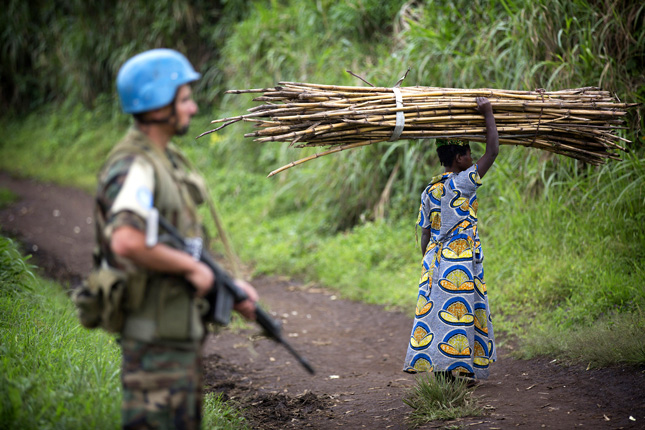
It’s been 14 years since the UN Security Council adopted Resolution 1325 acknowledging women as important agents of change in recovery from conflict and peacebuilding generally. But between 1992 and 2011, only four percent of signatories in 31 major peace processes around the world were women, and only 12 out of 585 peace agreements referred to or made provisions for women’s needs in the reconstruction process.
-
Clean Cookstoves Provide Health, Environmental, and Socioeconomic Benefits, So Why Aren’t They Being Adopted?
›
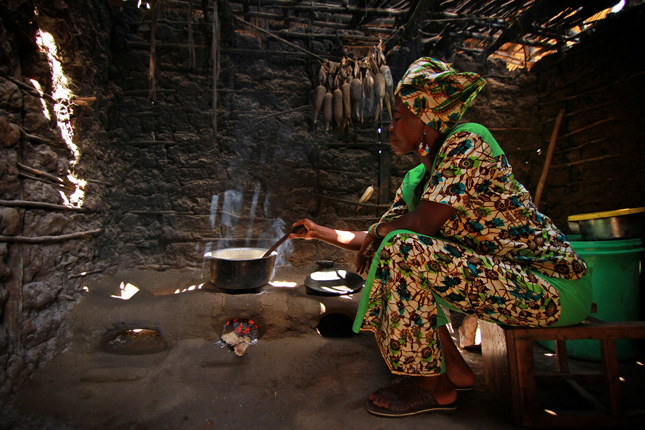
To stop and perhaps one day reverse climate change requires changes big and small. Despite the thousands of power plants burning coal and other fossil fuels today, nearly 3 billion people still depend on solid fuels, such as wood, dung, and crop residues, for their daily energy needs.
-
What Climate Conflict Looks Like: Recent Findings and Possible Responses
›Climate change and conflict – what’s the relationship? In a recently completed set of field-based studies for USAID, the Foundation for Environmental Security and Sustainability set aside “yes-or-no” questions about whether climate change causes conflict and replaced them with pragmatic and politically informed questions about how climate change is consequential for conflict in specific fragile states.
-
Safety and Security in the Global Youth Wellbeing Index
›Few would argue with the notion that socioeconomic development is contingent on peace, safety, and security. What goes for nations, goes for people too – especially young people.
-
Feeding Unrest: A Closer Look at the Relationship Between Food Prices and Sociopolitical Conflict
›From the Roman poet Juvenal’s observations about bread and circuses to Marie Antoinette’s proclamation, “let them eat cake!” the link between food and political stability is well established in pop culture. In academic and policy circles, however, it’s a source of considerable debate.
-
New Portal for Himalayan Region Aims to Provide Better Environmental Data
›“There was drought so we had to share the little water brought a long distance from irrigation canals to the field. This delay in rice planting is resulting in a late harvest,” explains Ratna Darai, 47, a farmer in Daraipadhera, Nepal, during an interview with The Third Pole reporter Ramesh Bhushal. An erratic monsoon means an uncertain harvest in a nation where agricultural production is not on pace with population growth. Water insecurity is a major driver of conflict and uncertainly in the world’s most populous continent.
-
Necessary Partners: The Sahel Shows Why Development and Resilience Efforts Can’t Forget Men
›One-third of boys in the developing world don’t face the risk of marriage and pregnancy before age 18. There are no laws preventing men from owning land or property. Men don’t bear the brunt of increasingly frequent and severe disasters. And men don’t hold fewer than 25 percent of parliamentary seats worldwide.
-
Can We Forecast Where Water Conflicts Are Likely to Occur?
›Many of the world’s freshwater systems reach across national boundaries, and growing demands combined with supply constraints may lead to increased potential for international water conflicts. If that’s the case, which international river basins are most at risk of conflict or, conversely, which are most prone to cooperation? What are the factors that increase or decrease conflict risk?
Showing posts from category Guest Contributor.