-
Lisa Dabek: Thinking Long Term to Save Papua New Guinea’s Tree Kangaroos
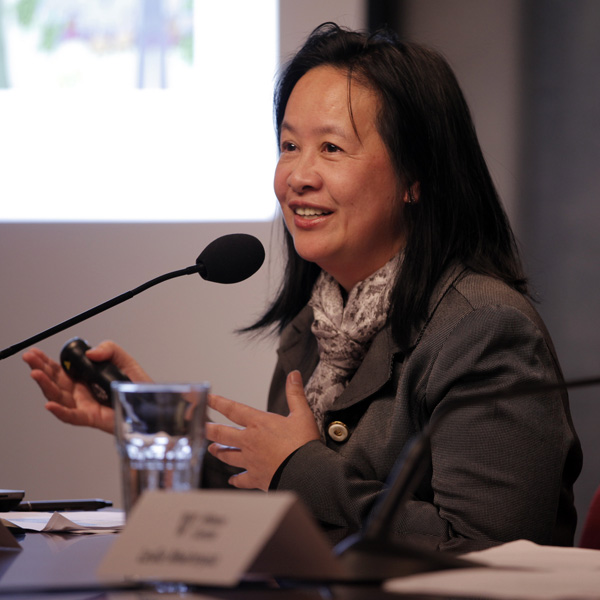
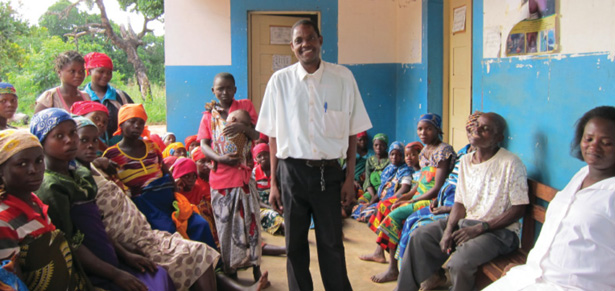
›“I always say what brought me to Papua New Guinea is the tree kangaroo, and what keeps me there are the people,” said Lisa Dabek.
-
Dark Forests: Interview With Bopha Phorn on Investigating Land Deals, Logging, Gender Issues in Cambodia
›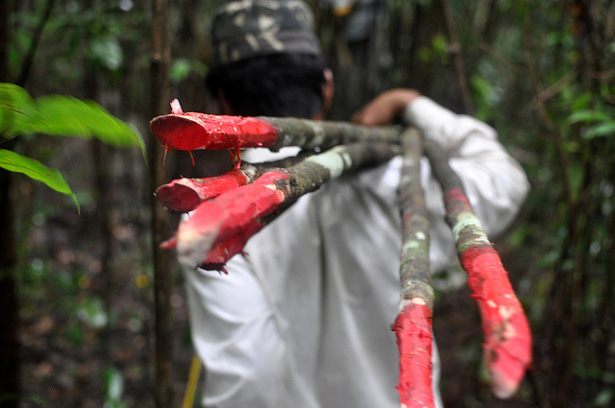
Cambodia is a young democracy in transition. It has the highest rate of urbanization in Southeast Asia, but the lowest percentage of current urban dwellers and widespread poverty. The Mekong River, on which millions of rural Cambodians rely, is being dammed at a rapid pace, both upstream, beyond the country’s borders, and within. Aided by weak land laws, both foreign and domestic industrial forces have staked claim to large swaths of the country for logging and rubber plantations, displacing thousands.
-
“We Are Not Sitting Idle, We Are Fighting”: Interview With Saleemul Huq on Bangladesh’s Climate & Food Challenges
›
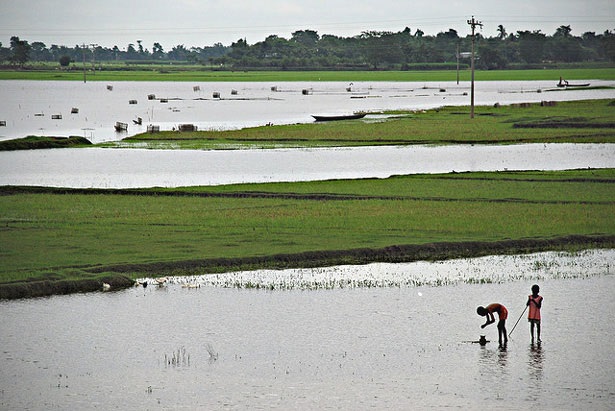
When it comes to climate change vulnerability, it sometimes seems as if all eyes are on Bangladesh. As part of my research for a recent article exploring the rise of aquaculture in the country, I interviewed Saleemul Huq, senior fellow at the International Institute for Environment and Development in London, former executive director of the Bangladesh Center for Advanced Studies, and lead author of two chapters on adaptation and sustainable development in the IPCC’s third and fourth assessment reports. A number of his quotes made it into the final story but I wanted to provide the full transcript here as well, as his thoughts on the country’s climate-related risks, food security, and population dynamics are worth a read.
-
10 Steps for Expanding the Population, Health, and Environment Approach
›As their five-year funding cycle for supporting integrated population, health, and environment (PHE) programs around the world came to a close this fall, leaders from BALANCED Project – Building Actors and Leaders for Advancing Community Excellence in Development – came together at the Wilson Center to discuss lessons learned, best practices, and new ideas for the future.
-
Margarita Mora, Human Nature
Peruvian Farmers Change Attitudes Toward Forest Protection
›The original version of this article, by Margarita Mora, appeared on Conservation International’s Human Nature blog.
I first visited Peru’s Alto Mayo Protected Forest in 2008. At the time, deforestation rates there were among the highest in the country. CI-Peru wanted to find a way to help communities and Peru’s National Service of Natural Protected Areas (SERNANP) keep their trees standing.
-
Joan Castro on Engaging Youth to Create Change in the Philippines
›“Exposing young people to information about PHE [population, health, and environment] and food security dynamics can be a powerful tool to steer their interests and commitment to care for the environment and become sexually responsible individuals,” says PATH Foundation Philippines, Inc. (PFPI)’s Joan Castro in this week’s podcast.
PFPI’s Youth EMPOWER project has trained close to 300 “youth peer educators” in the southern Philippines to promote environmentally sustainable livelihoods, clean up the environment, raise awareness of reproductive health, and encourage participation in local government.
-
Leslie Mwinnyaa: Young People Drive Integrated Development in Ghana’s Ellembelle District
›“I have been amazed and inspired by the youth that I’ve worked with, with their dedication and motivation to help their countrymen and to try to make their communities better places,” says Leslie Mwinnyaa in this week’s podcast.
When Mwinnyaa arrived in the Ellembelle district of coastal Ghana as a Peace Corps volunteer she found a multitude of development challenges. Fishermen routinely use illegal techniques like chemicals, lights, and dynamite that decimate fish stocks; “sand winning” and mangrove clearing increases erosion, leaving communities vulnerable to flooding and reducing breeding grounds for local fish; poor waste and refuse management contributes to disease and poor health; and teenage girls have twice the national rate of pregnancy.
-
Combining Health and Food Security in Mozambique: Interview With Pathfinder International’s SCIP Project
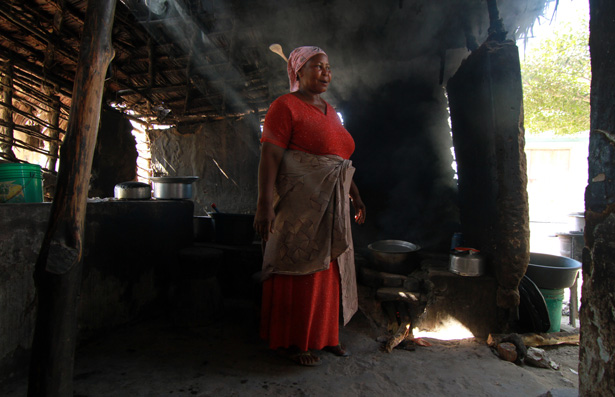
›Pathfinder International’s Strengthening Communities Through Integrated Programming (SCIP) is part of a new push towards integrated development – looking at communities as a whole and addressing multiple, traditionally-siloed sectors at once. SCIP integrates both its activities and its funding to great effect in Mozambique.
Showing posts from category Beat on the Ground.