-
Alice Hill: Invest in Resilience to Manage Future Risks to Economy, Security
›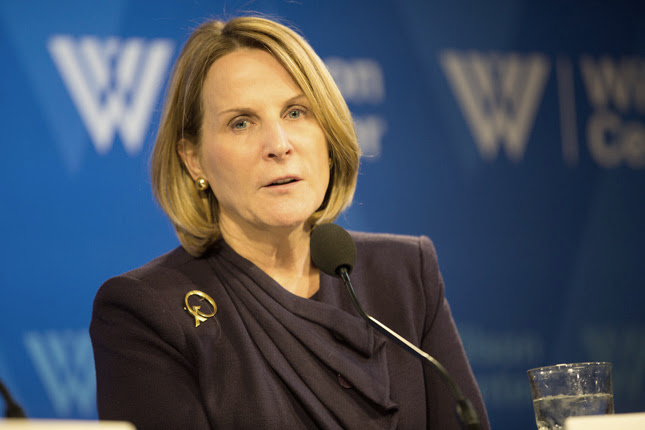
As our climate changes, “we are vulnerable to unacceptable risks of failures in functionality, durability, and safety,” said Alice C. Hill, former senior director for resiliency policy for the National Security Council, as she launched Resilience Week at the Wilson Center. During the week, members of the UN Resilience Academy joined representatives from the Wilson Center, Stanford Woods Institute for the Environment and the Hoover Institute for in-depth discussions on building global resilience in the face of environmental change. “Resilience is proving necessary to withstand the disruptions to our very interconnected systems,” she said.
-
Top 5 Posts for October 2017
›
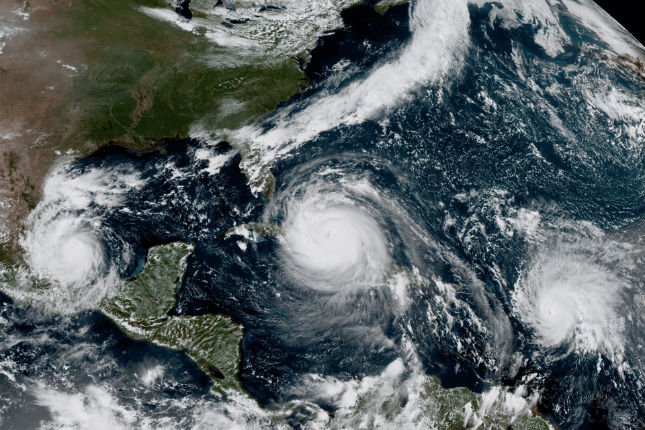
Hurricanes Irma and Maria devastated Puerto Rico, leaving many on the island without power, drinking water, or cellular service. Such disasters are not just an issue for the Caribbean, said the Wilson Center’s Roger-Mark De Souza in an interview with WOUB that was last month’s most read story on New Security Beat. All coastal areas of the United States, with their growing populations and vulnerable but valuable infrastructure, should be prepared to face more severe climate-related natural disasters.
-
Cities at COP-23: Q&A With WRI’s Ani Dasgupta
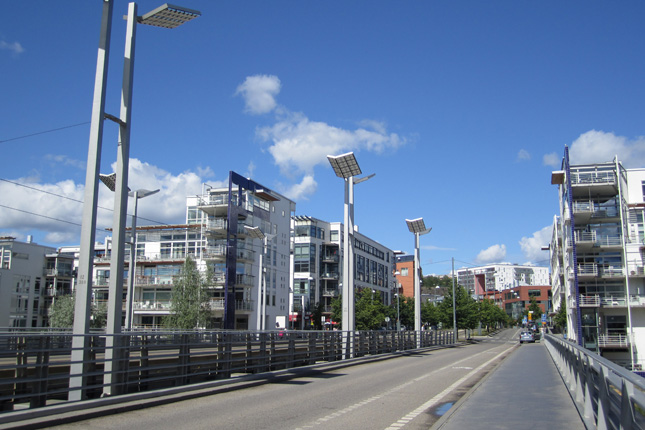
›To meet the climate challenge, city leaders are committing to ambitious emissions targets, designing decentralized action plans, and sharing lessons in transnational networks. Since growing cities are a large source of global emissions, their efforts could contribute substantially to global climate objectives. As the world’s climate experts gather next week in Bonn, Germany, for the 23rd Conference of the Parties (COP-23), urban initiatives will be a key focal point of the agenda-setting conversation.
-
An Unholy Trinity: Xinjiang’s Unhealthy Relationship With Coal, Water, and the Quest for Development
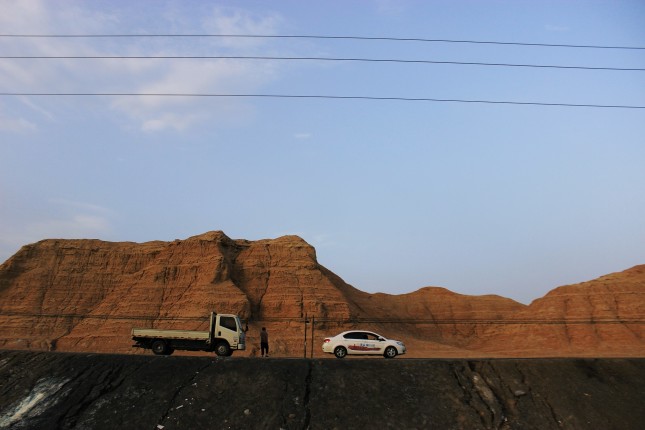
›Sitting shotgun in a beat-up vehicle en route to Tashkorgan a small town in the western Chinese province of Xinjiang, I soaked in the magnificence—or what I could see through the dust-coated windshield. The unpaved and rocky road, which carves through the precipitous Karakorum pass, will be (when finished) a key link in China’s “One Belt One Road” plan to connect China to Pakistan. China’s ambitious plans for westward expansion will demand an almost inconceivably enormous amount of energy and resources, and water-scarce Xinjiang will play a central role. With plans like these, how can China meet its water needs?
-
Fire Warning: From India to California, Change Fuels the Flames
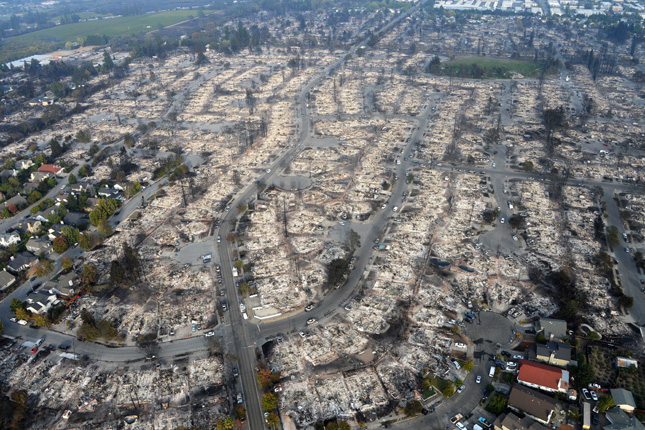
›October 31, 2017 // By Arundhati PonnapaEarlier this month, more than 40 people perished and 20,000 people were ordered to evacuate as Northern California faced some of its deadliest fires in decades. Potentially fueled by climate change, these fires—only the only the latest in a string of fires to strike the state—will reshape landscapes and lives, as I know well from personal experience on the other side of the world.
-
Sustainable Water, Resilient Communities: The Challenge of Too Little Water
›From the Wilson Center // Water Security for a Resilient World // October 27, 2017 // By Gretchen JohnsonWater is a “strategic instrument in the creation of a safer, healthier, more nutritious, less aggressive world,” said Winrock International President and CEO Rodney Ferguson at the first event in a four-part series on water security organized by the Wilson Center and the Sustainable Water Partnership. Panelists at the event identified innovative and integrated efforts necessary to increase global water security in the face of growing water scarcity.
-
Cities After Paris: The Role of Subnational Actors in Achieving International Goals
›As the climate changes, cities will suffer. “These are important places that have a lot of people, property, and local economies that are going to struggle,” said Jessica Grannis, the adaptation program manager at Georgetown’s Climate Center, at a recent Wilson Center event on the role of subnational decision-makers in achieving international goals. “The good news is that, here in the United States, many cities are recognizing these threats to their people and populations, and they’re beginning to take action,” said Grannis.
-
REDD+ Progress: Forests and Solving the Climate Change Challenge
›From 1870 to 2015, the CO2 concentration in the atmosphere increased significantly, said Professor Maria Sanz, scientific director at the Basque Center for Climate Change in a recent webinar organized by WWF Forest and Climate. Forests have been responsible for global greenhouse gas emissions through forestry and other land use activities. However, she noted that forests also absorb nearly one-third of the emissions generated from fossil fuels.
Showing posts from category adaptation.