-
Susannah Fisher, International Institute for Environment and Development
In Nepal, Measuring Climate Change Resilience From the Community Up
›February 11, 2014 // By Wilson Center Staff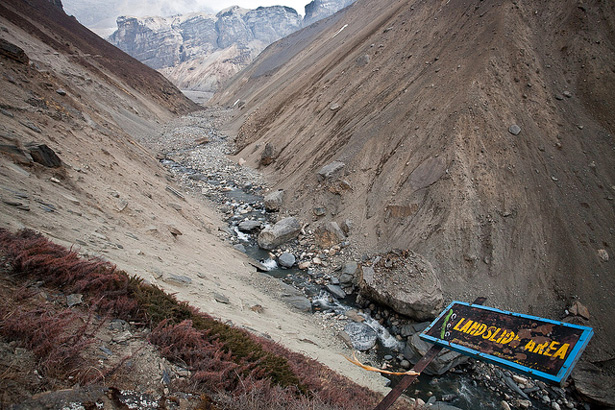
The original version of this article, by Susannah Fisher, appeared on the International Institute for Environment and Development.
Nepal’s vulnerability to a warming climate became clear in May 2012 when the Seti River burst its banks during flash floods and landslides that killed more than 60 people. Scientists say such events are likely to become more common as the world warms, so communities need to adapt.
-
Facing the Challenge of Adolescent Pregnancy: ‘State of the World Population 2013’ Launch
›
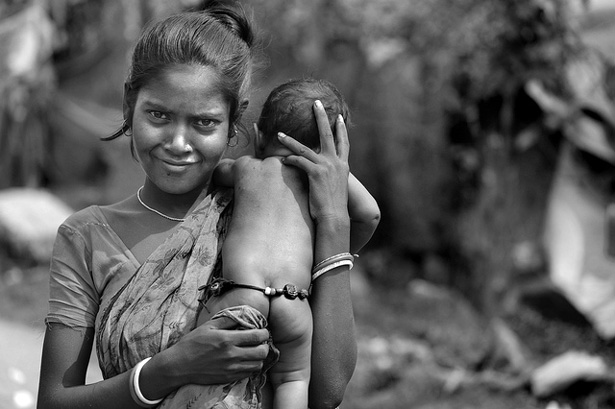
Twenty thousand girls under the age of 18 give birth every day, and 90 percent of these births occur within the context of marriage, according to the UN Population Fund’s latest State of the World Population report. This year’s edition, launched at the Wilson Center on October 30, focuses on adolescent pregnancy and finding ways to better protect this vulnerable group of young women.
-
Critical Mass? How the Mobile Revolution Could Help End Gender-Based Violence
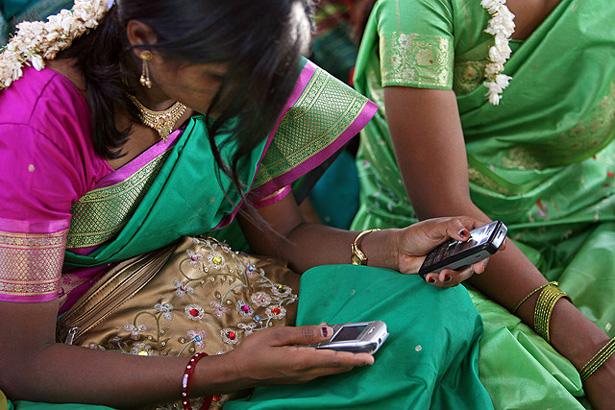
›The past three years – and more pointedly the past 12 months – have laid witness to monumental, if not heartbreaking, incidents of gender-based violence. The gang rape of a 23-year-old woman in New Delhi last December; the gang rape of a 16-year-old girl left for dead in a pit latrine in Western Kenya last June; the mass sexual assault of women in Tahrir Square during the 2011 revolution in Egypt and since; all were high profile atrocities that ignited outrage around the world.
-
Poor Quality of Care Chills Progress in Improving Safe Delivery for Mothers
›“Today we have a golden opportunity to use respectful maternal care to break new ground at the intersection of health and human rights,” said Lynn Freedman, director of the Averting Maternal Death and Disability Program and professor of clinical population and family health at Columbia University, at the Wilson Center.
-
Midwives, the Frontline and Backbone of Maternal Health, Face Insecure Working Environments
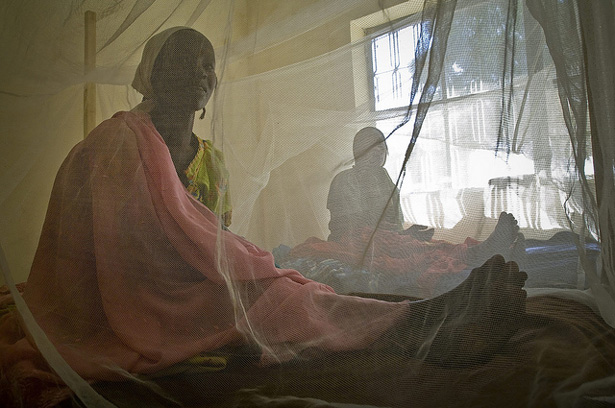
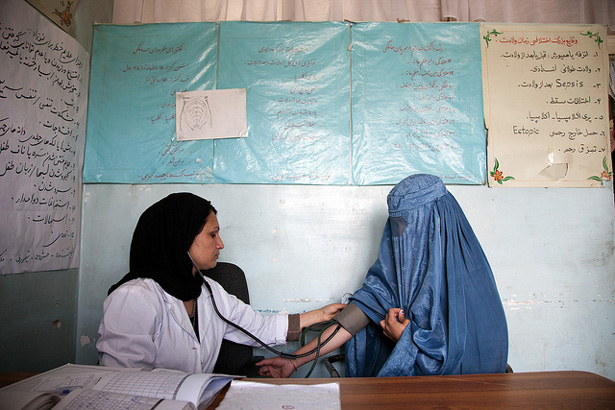
›Midwives play a critical but unheralded role in maternal health. Their skills are sometimes marginalized in otherwise well-meaning discussions about professionalizing care, or even worse, they are subject to abuse, as was discussed at the Wilson Center earlier this month. So when I found the room overflowing at a Women Deliver panel yesterday on the disempowerment of midwives and how much it undermines global efforts to increase access to care, I took that as a good sign that midwives will not be overlooked much longer.
-
It’s Not a Drug, It’s Not a Device – It’s Women Working Together
›“Cooperative nurturing is the natural state of humans,” said Anthony Costello, director of the University College London’s Institute for Global Health, during a side event yesterday here at the Women Deliver conference in Kuala Lumpur. Children and mothers are healthier when they have a support network, so the Institute for Global Health has partnered with a number of NGOs over the last two decades to form thousands of community-based women’s groups in Bangladesh, India, Nepal, and Malawi.
-
Janani Vivekananda on Strengthening Resilience to Climate Variability in South Asia
›“Building resilience should help address the root causes of vulnerability, creating increased capacity to be able to adapt to a range of possible climate futures, not just cope with… specific climate impacts,” says International Alert’s Janani Vivekananda. Otherwise, if the specific impacts don’t play out, “in a fragile context that could be quite destabilizing and seen as a wasted opportunity.”
-
Strengthening Responses to Climate Variability in South Asia
›Climate change and conflict can create a self-reinforcing feedback loop: Climate change exacerbates existing conflicts, while conflict makes adapting to climate change more difficult, said Janani Vivekananda of International Alert at the Wilson Center on February 7. [Video Below]
Showing posts from category Nepal.