-
Rachel Yavinsky, Behind the Numbers
Energy-Saving Stoves and Family Planning Benefit Women and Families in Rural Uganda
›January 23, 2013 // By Wilson Center Staff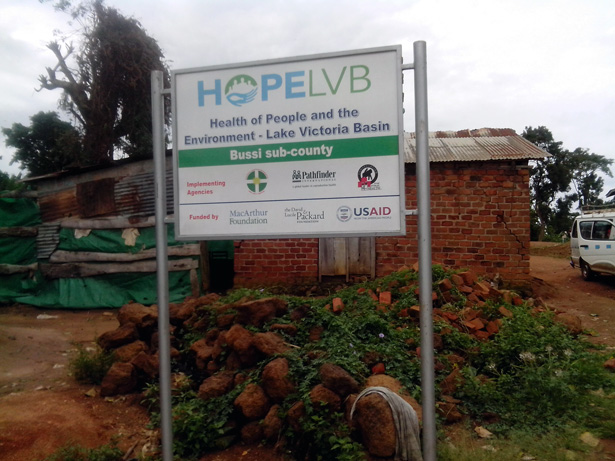
The original version of this article, by Rachel Yavinsky, appeared on the Population Reference Bureau’s Behind the Numbers blog.
After 45 minutes on Lake Victoria in a wooden fishing boat, my PRB colleague and I arrived on Busi Island, one of the Ugandan sites of the HOPE-LVB (Health of People and the Environment – Lake Victoria Basin) project. PRB, who partners on this project, came to Busi Island to see HOPE-LVB in action.
-
Migration Flows, New Growth Demand New Ways to Do Urban Development
›
A majority of the world population now lives in urban settings, but many of the most rapidly growing cities are unprepared to accommodate their new citizens. Newly swollen municipalities in poor and institutionally fragile countries are especially disadvantaged by poor planning and management, deficient public services, and citizen insecurity.
-
Measuring Sustainable Development in Ethiopia’s Guraghe Zone
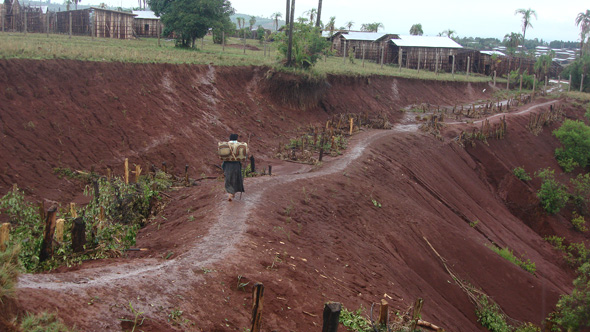
›Despite progress over the years, Ethiopia’s Guraghe zone, located in the Southern Nations, Nationalities, and People’s Region, faces many development challenges. As senior monitoring and evaluation officer in the Guraghe People’s Self-help Development Organization (GPSDO), I have been working in this region for more than five years trying to reduce poverty and improve socio-economic development. The organization as a whole has been here for more than 50.
-
Stronger Evidence Base Needed to Demonstrate Added Value of PHE
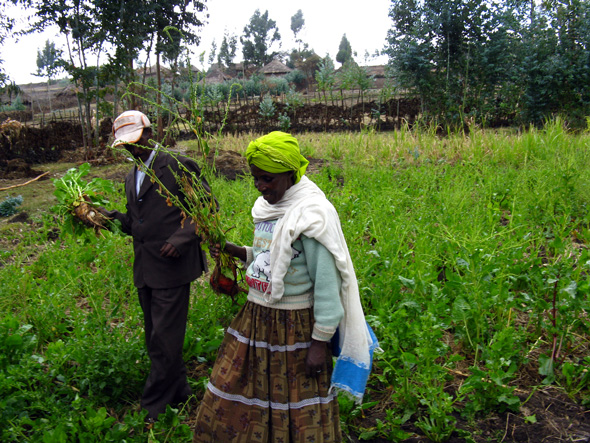
›It is well known that public health issues that affect the world’s most vulnerable populations – food insecurity, maternal and child health, water- and sanitation-related disease, and resource scarcity – are inextricably linked. Where these linkages are strongest, experience on the ground has shown that community-based integrated approaches to development provide more effective and sustainable solutions over vertical, sector-based programs. But so far, there are very few comprehensive evaluations providing strong quantitative evidence of this advantage.
-
Elisabeth Rosenthal, The New York Times
As Biofuel Demand Grows, So Do Guatemala’s Hunger Pangs
›January 8, 2013 // By Wilson Center StaffThe original version of this article, by Elisabeth Rosenthal, appeared in The New York Times.
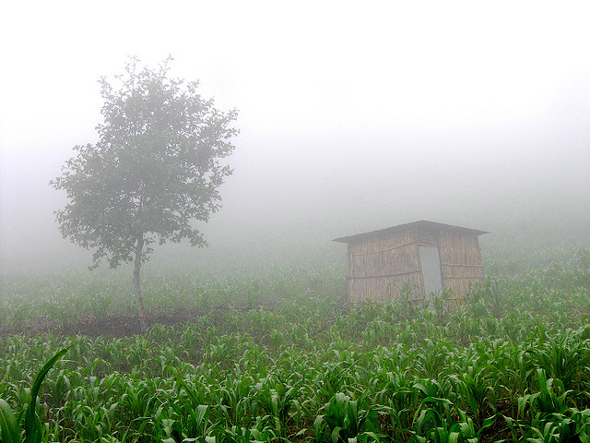
In the tiny tortillerias of this city, people complain ceaselessly about the high price of corn. Just three years ago, one quetzal – about 15 cents – bought eight tortillas; today it buys only four. And eggs have tripled in price because chickens eat corn feed.
-
How Does Climate Change Figure Into the Feed the Future Initiative?
›January 7, 2013 // By Kathleen Mogelgaard1.8 million food producers using improved technologies or management practices. Nearly 9 million children reached through nutrition programs. 2.4 million hectares under improved technologies or management practices. New mechanisms for donor coordination. A forward-looking agricultural research agenda. Innovative private-sector partnerships to support smallholder farmers. These are among the successes reported for the first three years of Feed the Future, the U.S. government’s new global hunger and food security initiative.
-
Beyond Carbon Credits: TIST Combines Reforestation, Health, and Livelihood Efforts
›Carbon offsets have fallen in and out of favor since they were established with the Kyoto Protocol in 1997. Critics say they allow wealthy organizations to placate consumers and claim their products are “green” without making any real, lasting changes. But, if the scheme works properly, some action is supposed to be taken somewhere, so what is it like at one of these credit-producing organizations?
-
World Bank Issues Dire Warning About “Four Degree World”
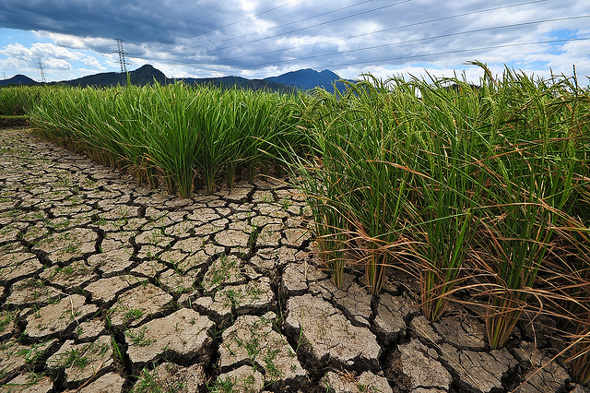
›December 10, 2012 // By Carolyn LamereWithout decisive action, global temperatures could rise by at least four degrees Celsius (seven degrees Fahrenheit) by the end of the century. A new World Bank report says that such a world would be “so different from the current one” that it would be difficult to even anticipate the challenges we would face.
Showing posts from category agriculture.