• woodrow wilson center
  • ecsp

New Security Beat

Subscribe:
  • rss
  • mail-to
  • Who We Are
  • Topics
    • Population
    • Environment
    • Security
    • Health
    • Development
  • Columns
    • China Environment Forum
    • Choke Point
    • Dot-Mom
    • Friday Podcasts
    • Navigating the Poles
    • Reading Radar
  • Multimedia
    • Water Stories (Podcast Series)
    • Backdraft (Podcast Series)
    • Tracking the Energy Titans (Interactive)
  • Films
    • Water, Conflict, and Peacebuilding (Animated Short)
    • Paving the Way (Ethiopia)
    • Broken Landscape (India)
    • Scaling the Mountain (Nepal)
    • Healthy People, Healthy Environment (Tanzania)
  • Publications
  • Events
  • Contact Us

NewSecurityBeat

The blog of the Wilson Center's Environmental Change and Security Program
Showing posts by Wilson Center Staff.
  • Jacqueline H. Wilson, U.S. Institute of Peace

    Can Aquifer Discovery in Kenya Bring Peace to Desolate Region?

    ›
    October 28, 2013  //  By Wilson Center Staff

    The original version of this article, by Jacqueline H. Wilson, appeared on the U.S. Institute of Peace’s Olive Branch blog.

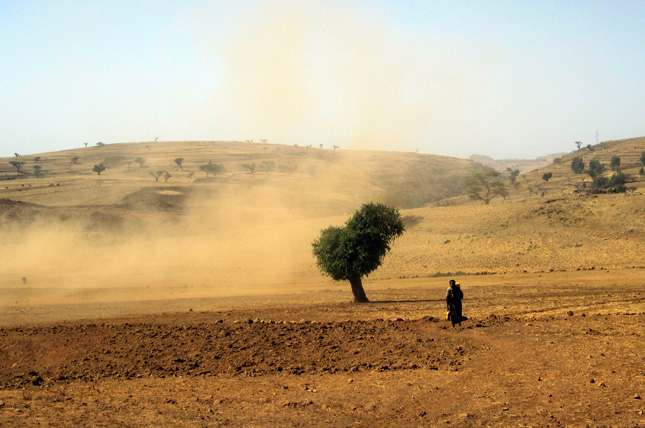
    The people of northern Kenya currently face many daily hardships. Primarily pastoralists by livelihood, their cycle of life focuses on the basics – securing food and water for family and livestock, constructing shelter from the unforgiving sun, and finding sustenance when periodic droughts ravage the region. A 2011 drought affected millions of people, and tens of thousands of livestock died. Approximately 90 percent of the area’s population lives below the poverty line.

    MORE
  • Vicky Markham, Impatient Optimists

    As UN Debates Post-2015 Agenda, Women Deliver Development

    ›
    October 23, 2013  //  By Wilson Center Staff

    The original version of this article, by Vicky Markham, appeared on the Bill and Melinda Gates Foundation’s Impatient Optimists blog.

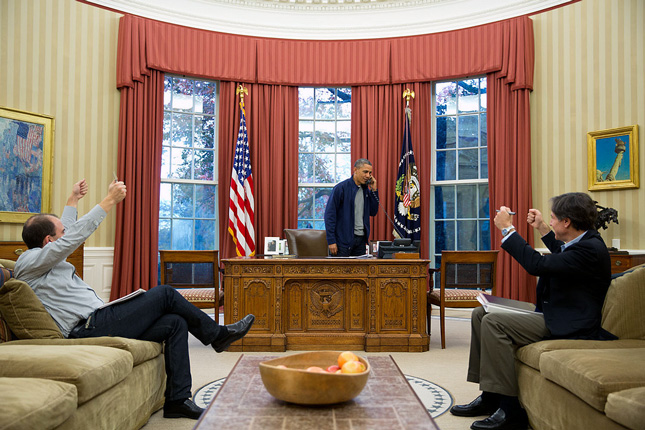
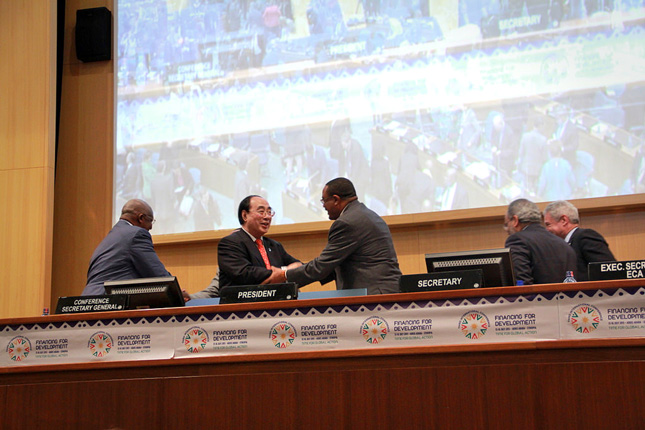
    It’s not often that we are presented with the perfect opportunity to affect a broad set of development policies as we are currently with the UN’s post-2015 agenda.

    MORE
  • Katherine Carter, Fund for Peace

    Is Youth Bulge a “Magic Indicator” for the Failed States Index?

    ›
    October 17, 2013  //  By Wilson Center Staff
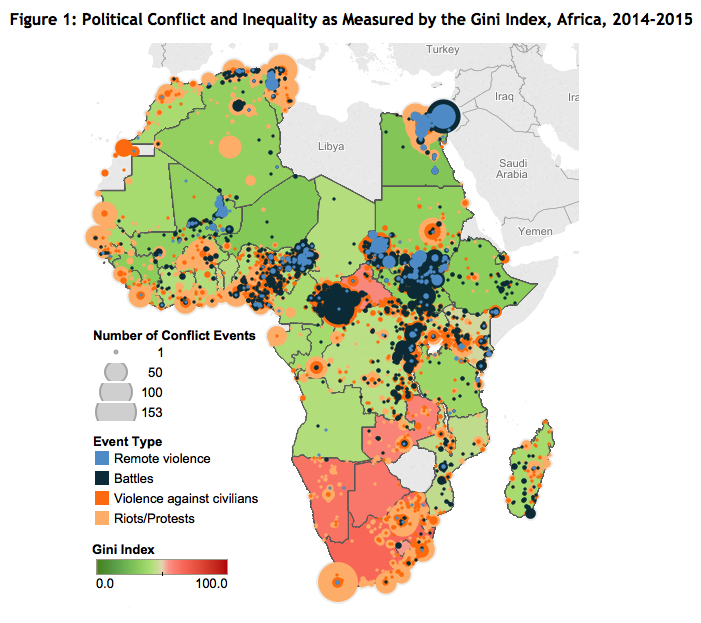
    outbreaks-of-civil-conflict

    The original version of this article, by Katherine Carter, appeared on the Fund for Peace’s World Square blog.

    Today approximately 44 percent of the world’s 7.2 billion people are under 24 years old – and 26 percent are under 14. Of those 7.2 billion people, a staggering 82 percent live in less developed regions of the world – primarily sub-Saharan Africa and Asia. Currently, the global median age is 29.2 years old, a sharp contrast to Europe, for example, where the median age is 41.

    MORE
  • ECC Platform

    Data for Peace: Inventory of Shared Waters in Western Asia

    ›
    October 1, 2013  //  By Wilson Center Staff
    Shared-Waters-Western-Asia

    The original version of this article appeared on the Environment, Conflict, and Cooperation (ECC) Platform.

    The Environment, Conflict, and Cooperation team talked to Eileen Hofstetter from the Swiss Agency for Development and Cooperation. She is co-author of the Inventory of Shared Water Resources in Western Asia released at this year’s World Water Week in Stockholm. The Inventory was prepared by the United Nations Economic and Social Commission for Western Asia and the German Federal Institute for Geosciences and Natural Resources.

    MORE
  • Sarah Crowe, UNICEF

    Ethiopia Set to Achieve Millennium Development Goals in Child Mortality

    ›
    Dot-Mom  //  September 18, 2013  //  By Wilson Center Staff

    The original version of this article, by Sarah Crowe, appeared on UNICEF. 

    For a country that once made headlines for famine, poverty, and war, Ethiopia is gaining a reputation as a development leader on the African continent. In just over 10 years, the country has slashed child mortality rates by half, rising in global rank from 146 in 2000 to 68 in 2012. More money is being spent on health care, poverty levels and fertility rates are down, and twice as many children are in school.

    MORE
  • Susan Moran, Ensia

    Beans May Be Key to Feeding the Future

    ›
    September 11, 2013  //  By Wilson Center Staff

    The original version of this article, by Susan Moran, appeared on Ensia.

    Lean and towering at 6 feet 5 inches, Ken Giller blends right into the rows of climbing beanstalks he is examining on this blisteringly hot spring day in Buhoro, a village in northern Rwanda. Local farmers who have been growing various varieties of beans bred for high yields and other desirable traits proudly show him their plots on the terraced hillside.

    MORE
  • Dennis Taenzler, ECC Platform

    What’s Next in European Climate Diplomacy?

    ›
    September 5, 2013  //  By Wilson Center Staff

    The original version of this article appeared on the Environment, Conflict, and Cooperation (ECC) Platform.

    At the end of June, the European Union Foreign Affairs Council adopted a set of conclusions on EU climate diplomacy that left us with mixed feelings. Acknowledging and recalling that climate change is of paramount importance is commonplace – too often quoted and very seldom followed by decisive action. Explicit reference to the positive results of the Durban and Doha climate conferences is even a reason to get nervous. Many negotiators and observers will doubt a similarly enthusiastic framing for the most recent results.

    MORE
  • Codi Yeager-Kozacek, Circle of Blue

    Water a Key Issue As Developing Countries Drive Growth in Global Food Production

    ›
    August 22, 2013  //  By Wilson Center Staff
    Philippines Farming

    The original version of this article, by Codi Yeager-Kozacek, appeared on Circle of Blue.

    Developing countries will account for much of the world’s growth in agricultural production, demand, and trade during the next decade, as production growth in developed countries slows, according to reports from leading food policy organizations. The shift will pose challenges for the quality and abundance of water supplies in regions like South America, Asia, and Africa.

    MORE
Newer Posts   Older Posts
View full site

Join the Conversation

  • RSS
  • subscribe
  • facebook
  • G+
  • twitter
  • iTunes
  • podomatic
  • youtube
Tweets by NewSecurityBeat

Trending Stories

  • unfccclogo1
  • Pop at COP: Population and Family Planning at the UN Climate Negotiations

Featured Media

Backdraft Podcast

play Backdraft
Podcasts

More »

What You're Saying

  • Volunteers,At,The,Lagos,Food,Bank,Initiative,Outreach,To,Ikotun, Pan-African Response to COVID-19: New Forms of Environmental Peacebuilding Emerge
    Rashida Salifu: Great piece 👍🏾 Africa as a continent has suffered this unfortunate pandemic.But it has also...
  • A desert road near Kuqa An Unholy Trinity: Xinjiang’s Unhealthy Relationship With Coal, Water, and the Quest for Development
    Ismail: It is more historically accurate to refer to Xinjiang as East Turkistan.
  • shutterstock_1779654803 Leverage COVID-19 Data Collection Networks for Environmental Peacebuilding
    Carsten Pran: Thanks for reading! It will be interesting to see how society adapts to droves of new information in...

What We’re Reading

  • Rising rates of food instability in Latin America threaten women and Venezuelan migrants
  • Treetop sensors help Indonesia eavesdrop on forests to cut logging
  • 'Seat at the table': Women's land rights seen as key to climate fight
  • A Surprise in Africa: Air Pollution Falls as Economies Rise
  • Himalayan glacier disaster highlights climate change risks
More »
  • woodrow
  • ecsp
  • RSS Feed
  • YouTube
  • Twitter
  • Facebook
  • Home
  • Who We Are
  • Publications
  • Events
  • Wilson Center
  • Contact Us
  • Print Friendly Page

© Copyright 2007-2021. Environmental Change and Security Program.

Woodrow Wilson International Center for Scholars. All rights reserved.

Developed by Vico Rock Media

Environmental Change and Security Program

Woodrow Wilson International Center for Scholars

Ronald Reagan Building and International Trade Center

  • One Woodrow Wilson Plaza
  • 1300 Pennsylvania Ave., NW
  • Washington, DC 20004-3027

T 202-691-4000