-
Non-Communicable Diseases and COVID-19: A Conversation With Dr. Belén Garijo and Dr. Felicia Knaul
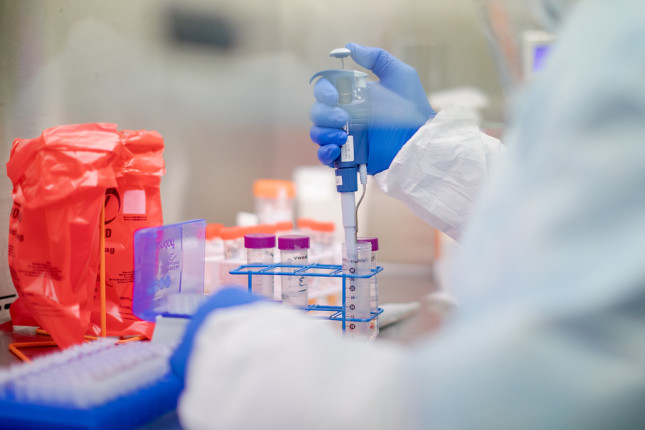
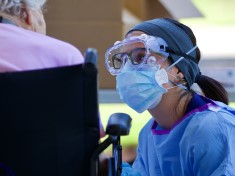
› “NCDs have raised the risk of and the severity of the COVID-19 infection,” says Dr. Belén Garijo, Executive Board Member and CEO of Healthcare at Merck KGaA Darmstadt, Germany, in this week’s Friday Podcast. Women living with NCDs like cardiovascular disease, hypertension, cancer, mental health disorders, multiple sclerosis, and diabetes, have an increased risk of severe complications and death from COVID-19. “When you take a look at the mortality rate for one million inhabitants, you see a lot of diversity, and what has been consistent amongst all the countries is the association between severity of the infection and underlying diseases,” says Garijo.
 -
The Top 5 Posts of May 2020
›
Despite the fact that more than half of the professional health workforce are nurses and 90 percent of nurses and midwives are women, a strong gender bias still impacts women nurse’s decision-making power in the health sector. In this month’s most read article, Peter Johnson, a male nurse and midwife, challenges men both in and outside of the profession to do better in elevating the voices of women nurses and midwives and ensuring they have a seat at the table when decisions are made.
-
How to Think and Work Politically to Reach Biodiversity Conservation Goals
›“You might know what to do,” said Rachel Kleinfeld, a Senior Fellow for Democracy, Conflict, and Governance Program at the Carnegie Endowment for International Peace. “But if you don’t think about how to do it, your reform isn’t going to move forward.” She spoke at a recent Wilson Center virtual event on how to think and work politically while supporting biodiversity conservation goals. It may sound counterintuitive, she said, but undertaking what’s considered the best intervention may not be the best approach.
-
The Top 5 Posts of April
›As the COVID-19 pandemic continues to spread and transform everyday lives, Rose Nzyoka and Vikas Dwivedi argue that using digital tools to improve systems to manage real-time data and decision-support systems could help the response to COVID-19. In our most read post this month, they propose five initiatives that ministries of health in low-and-middle-income countries need to focus on to limit the spread of COVID-19.
-
Highlights from the First-Ever State of the World’s Nursing Report
›The year 2020 has been designated as the Year of the Nurse and the Midwife by the World Health Organization. In April 2020, the World Health Organization (WHO), International Council of Nurses, and Nursing Now, published the first-ever State of the World’s Nursing Report. This week’s Friday Podcast highlights remarks from a recent Wilson Center event on the report’s findings and recommendations, gender implications in the health workforce, and the role of nurses during the COVID-19 pandemic.
-
Listen to Midwives to Achieve Universal Health Coverage by 2030
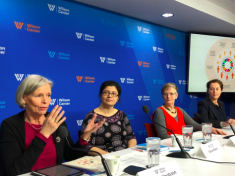
›What is inherent in the word “universal,” is that it is for all women, said Anneka Knutsson, Chief of the Sexual and Reproductive Health Branch at the United Nations Population Fund (UNFPA), at a recent Wilson Center event on the importance of midwives in achieving universal health coverage. -
Top 5 Posts of February 2020
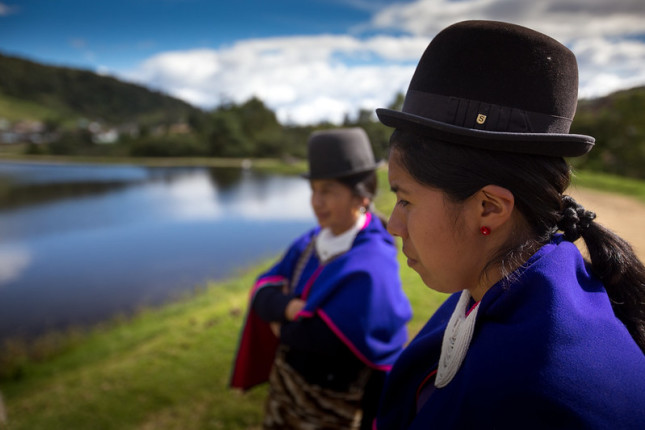
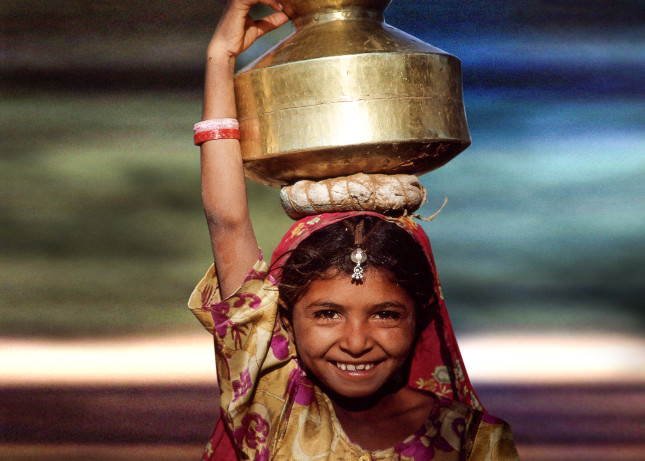
›Indigenous women and girls are making significant contributions to global peace agendas through their traditional knowledge of natural resource management and valuable insights on how to cope with the negative impacts of climate change. In our most read post, Marisa O. Ensor highlights the importance of these “Unsung Sheroes” in moving global agendas forward.
-
Paying for the Spout: Innovative Financing Could Expand Access to Water
›Water Security for a Resilient World // March 2, 2020 // By Wania Yad, Amanda King, Kelly Bridges & Thomas BoyntonSafe water, sanitation, and hygiene (WASH) are vital for human well-being. However, 1 in 3 people (approximately 2.2 billion) still lack safe drinking water, 4.2 billion do not have access to safely managed sanitation services, and 829,000 people die annually from unsafe water and related sanitation and hygiene around the world.
Showing posts by Amanda King.
 “NCDs have raised the risk of and the severity of the COVID-19 infection,” says Dr. Belén Garijo, Executive Board Member and CEO of Healthcare at Merck KGaA Darmstadt, Germany, in this week’s Friday Podcast. Women living with NCDs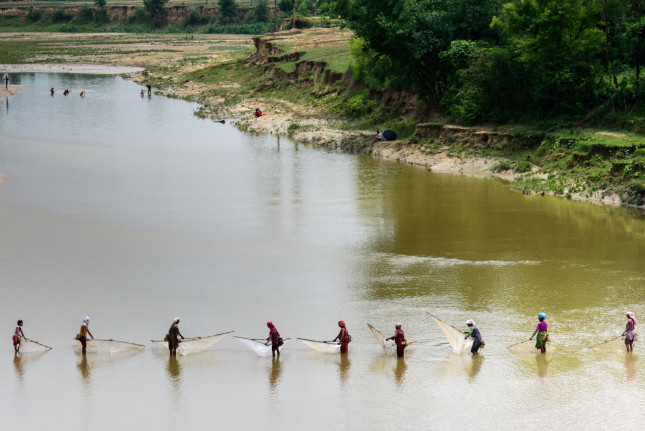
 What is inherent in the word “universal,” is that it is for all women, said Anneka Knutsson, Chief of the Sexual and Reproductive Health Branch at the