

-
Climate Superpowers Could Alter Foreign Policy Landscape
›
“Climate change has the potential to be a very important confidence-building measure between the United States and China,” said Sharon Burke, Senior Advisor of the International Security Program and Resource Security Program at New America. “Because no matter what else is happening in our relationship, we can succeed together on climate change.” She spoke at the launch for a project co-led by the Wilson Center’s Environmental Change & Security Program and adelphi, “21st Century Diplomacy: Foreign Policy is Climate Policy.” Hosted as part of the Berlin Climate and Security Conference, the discussion focused on the “climate superpowers” section of the project.
-
The Top 5 Posts of September 2020
›
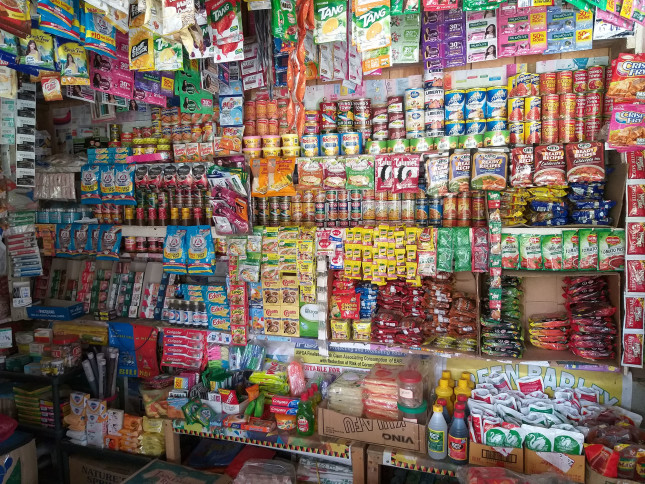
Southeast Asian countries, like the Philippines and Indonesia, generate a large amount of plastic waste each year. One item alone—single-use plastic sachets—makes up the majority of this plastic waste, littering beaches, clogging waterways, and polluting surrounding oceans. In our top spot this month, Eli Patton shares potential solutions to turn off the tap on Southeast Asia’s plastic waste problem.
-
Tensions Surrounding the Grand Ethiopian Renaissance Dam: A Wilson Center NOW Interview with Aaron Salzberg
›Dams can be a double-edged sword, said Aaron Salzberg, a Wilson Center Global Fellow, Director of the Water Institute at the University of North Carolina, and former Special Coordinator for Water Resources for the U.S. Department of State. He spoke in a recent episode of Wilson NOW about the Grand Ethiopian Renaissance Dam, which will become Africa’s largest hydroelectric dam, once it’s fully operational.
-
A National Reckoning: Highlights From A Conversation with Congresswoman Alma Adams
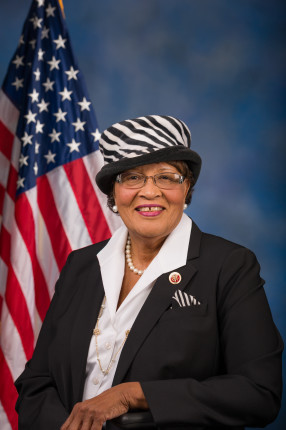
›“I believe that we’re experiencing a national reckoning and in this unique moment, I definitely see an opportunity for Congress, but also for our local governments to enact policies that begin to address our country’s greatest ills,” said Representative Alma Adams (D-NC-12) at a recent Wilson Center event on women, race, and COVID-19 in the United States. “COVID-19 has revealed what the Black community and communities of color have known for a long time—health outcomes are further compounded by systemic and structural racism. COVID-19 has exposed what women have known for a long time—gender inequality exists, it threatens economic empowerment, and it increases vulnerabilities.” -
At the Intersection of Climate Change and Environmental and Reproductive Justice
›“Reproductive justice is the right to reproductive health care, and the right to have children or not, the right to the healthiest possible pregnancy and birth, and the right to raise children in a safe and healthy environment. These rights will be challenged by climate change, including increasing temperatures,” said Linda Goler Blount, President and CEO of the Black Women’s Health Imperative, at a recent webinar on the intersections of environmental and reproductive justice on maternal health, climate change, and birth outcomes. The webinar was held on Juneteenth, the holiday commemorating the end of slavery in the United States, and many panelists’ remarks amplified the significance of the date. “Make this Juneteenth another beginning. One where we commemorate the end of climate injustice for Black and Brown people who bring life into this world,” said Blount.
-
The Top 5 Posts of June 2020
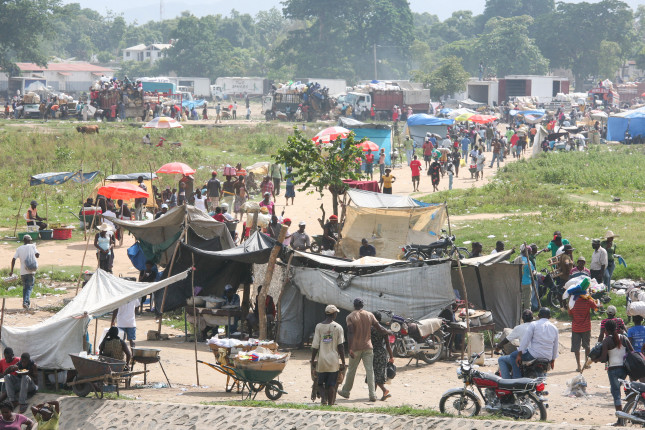
›The same factors that make human trafficking victims vulnerable to trafficking can also exclude them from the very initiatives meant to protect them. In the case of the Dominican Republic, Haitian migrants—black, poor, and mostly men with an irregular immigration status—are more often viewed as criminals than victims of trafficking. In our top post this month, Jean-Pierre Murray explores the case of Haitian migrants, the risks they face, and why they’ve been overlooked.
-
Women, Race, and COVID-19: A Conversation with Representative Alma Adams
›“The pandemic has shown us in the starkest terms how wide the gaps are in health outcomes between Black and White America and between men and women,” said Representative Alma Adams (D-NC-12) at a recent Wilson Center event on women, race, and COVID-19 in the United States. “COVID-19 has revealed what the Black community and communities of color have known for a long time, health outcomes are further compounded by systemic and structural racism,” said Rep. Alma Adams. And COVID-19 has exposed what women have known for a long time. Gender inequality exists, it threatens economic empowerment, and it increases vulnerabilities.
-
Preventing the Next Pandemic: Zoonotic Diseases and Future Outbreaks
›To recover from the devastating impacts of COVID-19, we will need to understand the risks and environmental factors that caused the novel coronavirus and other zoonotic diseases to emerge in the first place, according to a new report by the United Nations Environment Programme and the International Livestock Research Institute. The report, Preventing the Next Pandemic – Zoonotic Diseases and How to Break the Chain of Transmission, examines the root causes of the COVID-19 pandemic and other zoonotic diseases. It also explores the complex linkages between biological and non-living factors that impact our global ecosystem and spread diseases.
Showing posts by Amanda King.

 “I believe that we’re experiencing a national reckoning and in this unique moment, I definitely see an opportunity for Congress, but also for our local governments to enact policies that begin to address our country’s greatest ills,” said Representative Alma Adams (D-NC-12) at a recent Wilson Center event on women, race, and COVID-19 in the United States. “COVID-19 has revealed what the Black community and communities of color have known for a long time—health outcomes are further compounded by systemic and structural racism. COVID-19 has exposed what women have known for a long time—gender inequality exists, it threatens economic empowerment, and it increases vulnerabilities.”
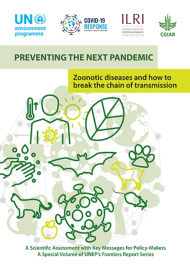 To recover from the devastating impacts of COVID-19, we will need to understand the risks and environmental factors that caused the novel coronavirus and other zoonotic diseases to emerge in the first place, according to a new report by the United Nations Environment Programme and the International Livestock Research Institute. The report,

