-
Environmental Security Weekly Watch: January 12-16, 2026
›
A window into what we’re reading at the Stimson Center’s Environmental Security Program
Illegal and Unregulated Mining Runs Rampant in Venezuela (Inside Climate News)
Located across the Venezuelan states of Amazonas, Bolívar and Delta Amacuro, the Orinoco Mining Arc is a center of mining illegal and unregulated mining activity. Mining has exploded in this area during the Maduro regime, as operations use high-pressure pumps and toxic mercury to strip vast stretches of Amazon rainforest, and choke rivers with sediment and pollutants. Recent activities even carved open-pit mines into the summit of Yapacana National Park’s sacred tepuy mountain. The environmental impacts on populations are also devastating: up to 90 percent of women in mining areas show toxic mercury levels that are linked to neurological damage.
-
Environmental Security Weekly Watch: January 5-9, 2026
›A window into what we’re reading in the Stimson Center’s Environmental Security Program
Marine Life Plundered in Unregulated Fishing Zone Near Argentina (The Guardian)
One of the world’s largest unregulated squid fisheries is located in Mile 201—a largely ungoverned strip of the high seas just beyond Argentina’s exclusive economic zones. Fishing hours there have increased between 2019 and 2024 in the area, as hundreds of foreign vessels arrive annually to plunder marine life. Yet this free-for-all poses serious concerns for other marine species as well. Crews on more than 50% of Chinese vessels and a fifth of Taiwanese vessels also have revealed the unreported capture and killing of seals, with culls sometimes numbering in the hundreds.
-
AidData’s Myth-Busting China Report
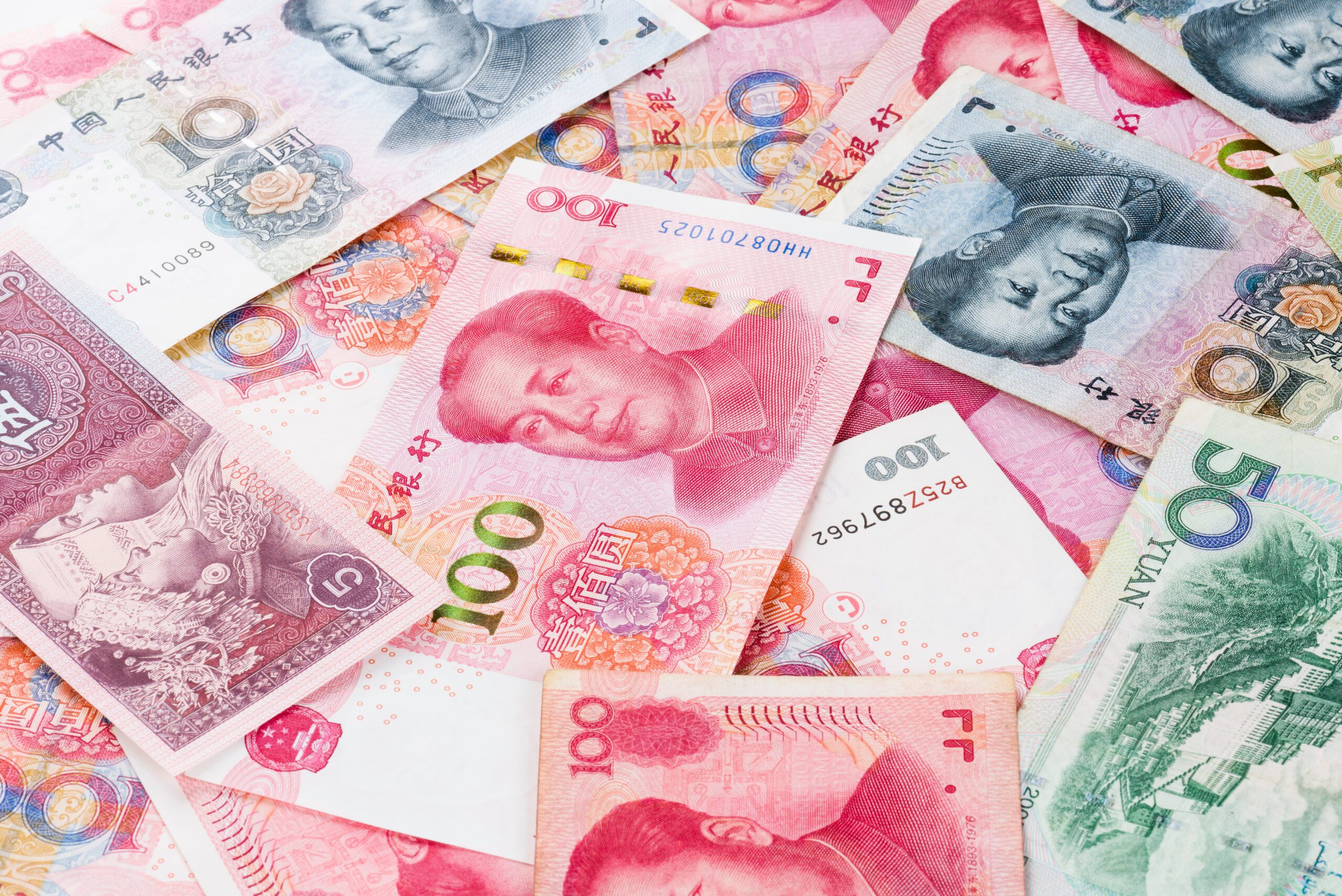
›China’s expanding global loan portfolio gives Beijing extraordinary economic and strategic leverage as it competes with the United States on technology, global supply chains, and critical rare minerals. Accurately determining its overseas investments (grants, loans, other financial instruments) however has long been a guessing game. Such Chinese data can’t be easily found in traditional international reporting systems like the Organisation for Economic Co-operation and Development (OECD) and the International Aid Transparency Initiative (IATI). Chinese data can vary by source, much of which is hard to decipher as investments are displayed in the aggregate rather than by individual projects. Gaps in data and Chinese-language only publications present other obstacles to transparency.
-
Environmental Security Weekly Watch: December 15, 19, 2025
›A window into what we’re reading at the Stimson Center’s Environmental Security Program
Climate Breakdown Threatens Global Food Security (The Guardian)
Global agricultural systems now face mounting pressure as climate impacts intensify and crop yields plateau. Production of the world’s most abundant crop, maize, is projected to decline by 6% under low-warming scenarios, and as much as 24% in extreme warming scenarios. Extreme weather wiped out over 1 million hectares of Zambia’s maize in 2024 alone, accounting for half of the country’s total production. An Amazon drought devastated more than 18,000 hectares of crops in Peru, leaving 500,000 children facing both food and water shortages.
-
Bogotá to Belém: The Unfinished Business of Integrating SRHR into Climate Action
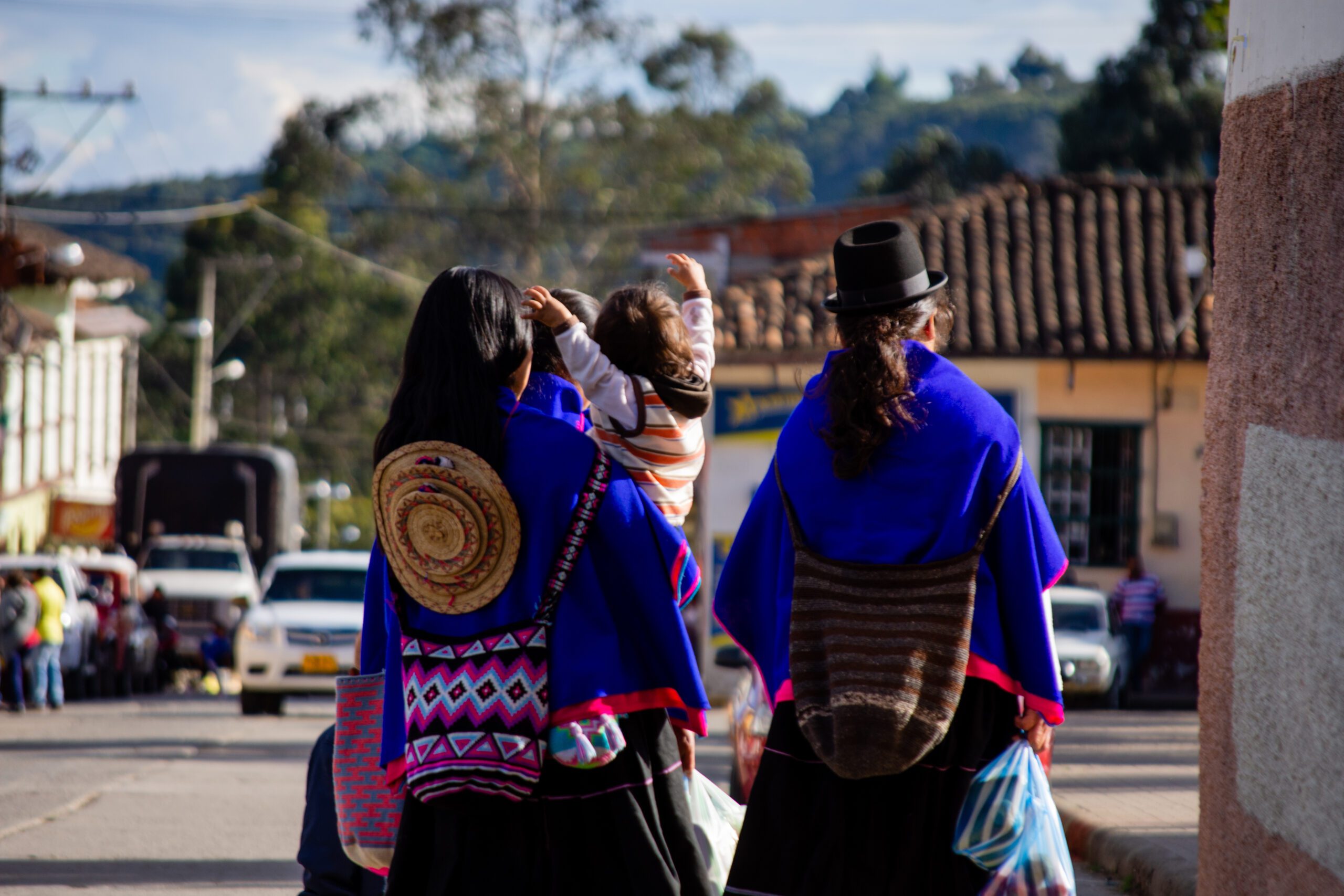
›Journeying from November 2025’s International Conference on Family Planning (ICFP) in Bogotá to the UN climate negotiations in Belém the following month revealed a fundamental tension. Evidence increasingly shows that climate justice requires reproductive justice, yet translating that recognition into policy commitments continues to raise political apprehensions among stakeholders.
-
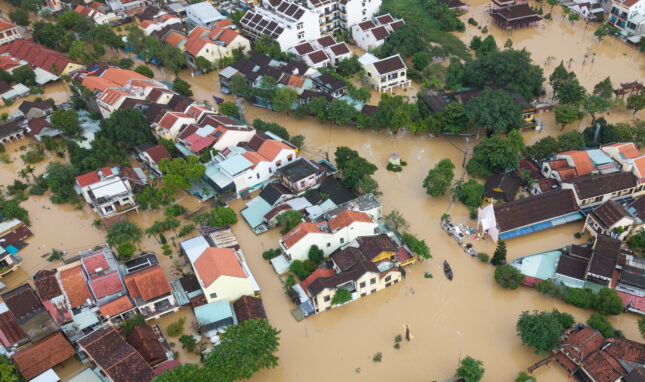
Pakistan’s Floods Expose Deep Gender Divides
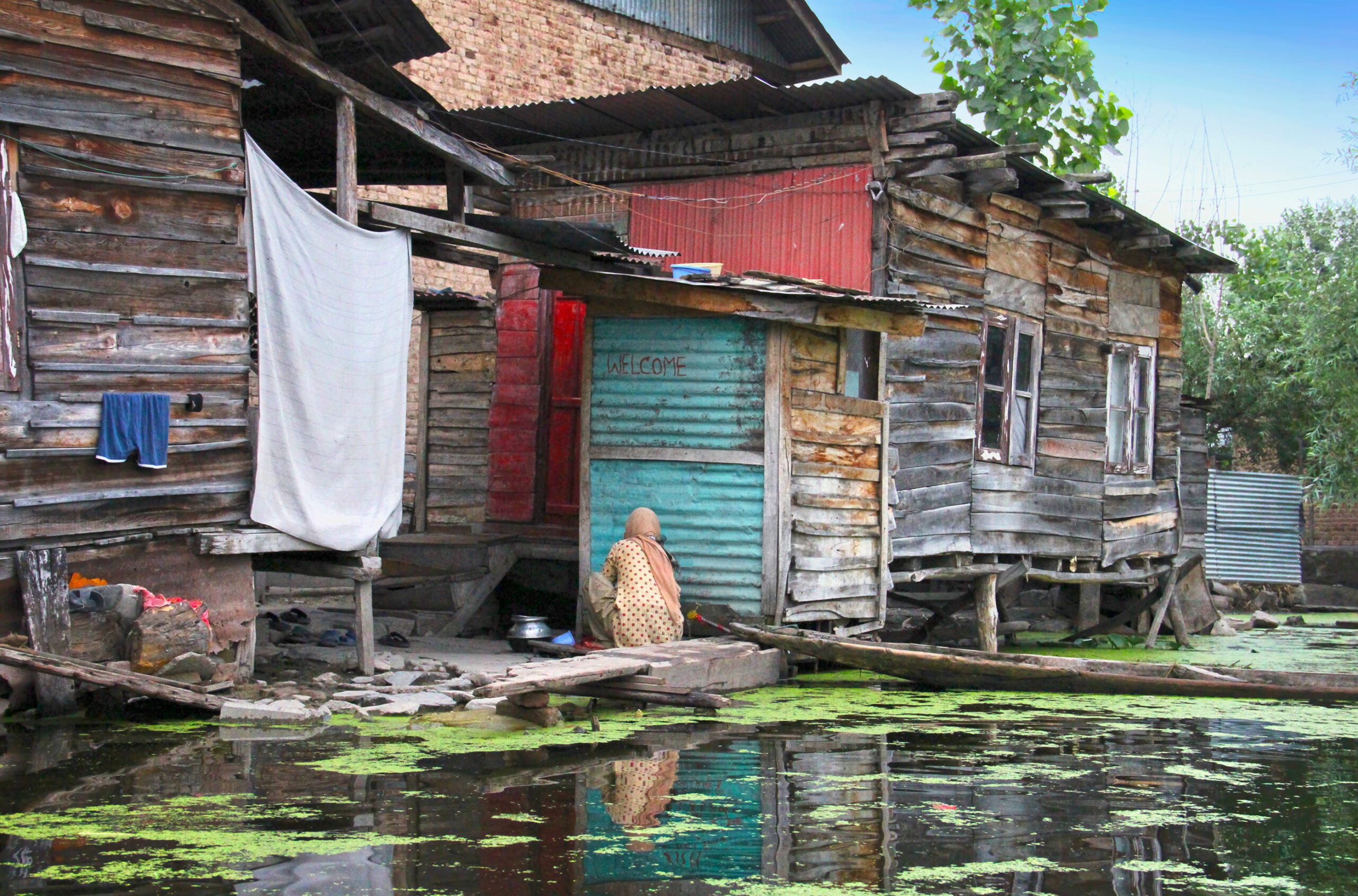
›While global climate leaders met in Brazil last month for the 30th annual global climate summit (COP30), Pakistani women and children continued to deal with the aftermath of the flooding that hit Pakistan this past summer.
-
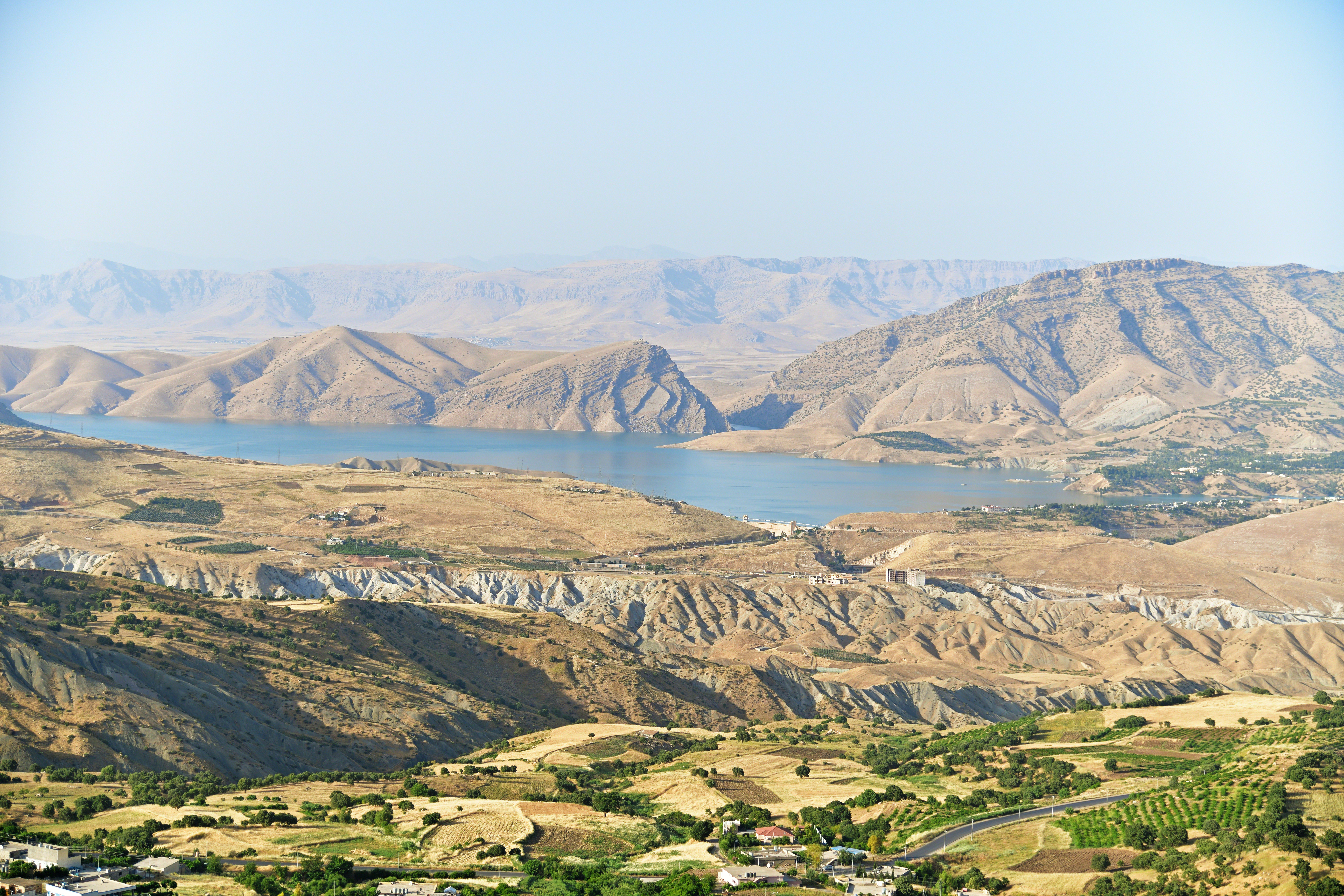
Underwater Cities: Climate Change Meets Governance Crisis in Iraqi Kurdistan
›When floods struck the Kurdistan region of Iraq earlier this month, it was a deluge that demonstrated how fragmented governance and weak state capacity can transform climate hazards into humanitarian and security crises.
-
Environmental Security Weekly Watch: December 8-12, 2025
›A window into what we’re reading at the Stimson Center’s Environmental Security Program
Race for Copper Damages Protected Region in Colombia (Mongabay)
As Colombia looks to meet the growing demand for strategic minerals, activists working in the department of Choco allege that the country’s only industrial copper mine is harming both the environment and a local community. The El Roble copper mine has operated since 1990 at the base of a valley crossed by the Atrato River, but its acquisition by Canadian multinational Atico Mining in 2013 has meant that daily production has doubled from 400 to 1,000 metric tons over the past 12 years. El Roble also lacks the environmental license required by Colombia’s Mining Code, and continues to operate under a less stringent 1987 environmental management plan, which activists say omits required environmental impact studies.
 A Publication of the Stimson Center.