-
Factor Housing into Maternal and Neonatal Health Policy
›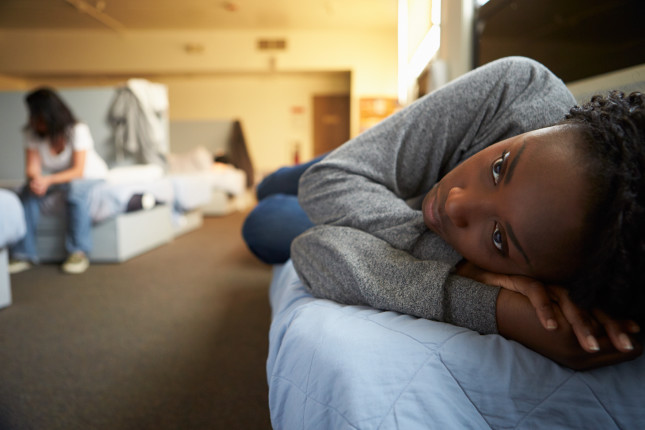
The United States is facing a crucial moment, one in which more pregnant women are at risk of becoming housing insecure than at any other time in recent history. This leaves an unprecedented number of mothers and babies vulnerable to the associated adverse health risks. Housing instability – which includes challenges ranging from struggles paying rent to chronic homelessness – harms maternal and neonatal health as much as smoking during pregnancy. The economic effects of COVID-19 threaten to exacerbate the adverse health outcomes associated with homelessness.
-
Midwife-Delivered Interventions Could Provide Dramatic Benefits
› In a year that has presented enormous challenges, it is even more gratifying to present evidence that strengthens the importance of midwives as providers of essential sexual and reproductive health (SRH) services and the impact they can have on maternal and neonatal mortality and stillbirths, said Anneka Knutsson, Chief of the SRH Branch at the United Nations Population Fund (UNFPA) at a recent Wilson Center event, in partnership with UNFPA and Johnson & Johnson, to launch the Impact of Midwives study conducted by UNFPA, the International Confederation of Midwives (ICM), and the World Health Organization (WHO) and published in The Lancet Global Health.
 -
More Midwife-based Interventions Could Save Millions of Lives
›“This is real,” said Franka Cadée, President of the International Confederation of Midwives (ICM). “And we can no longer get around it. And we can no longer linger.” She spoke at a recent Wilson Center event, in partnership with the United Nations Population Fund (UNFPA) and Johnson & Johnson, launching a new study, Impact of Midwives, published in The Lancet Global Health. If any other intervention could have the same impact as midwives or midwifery, it would be implemented worldwide immediately, she said.
-
Reproductive Justice in the United States Prison System
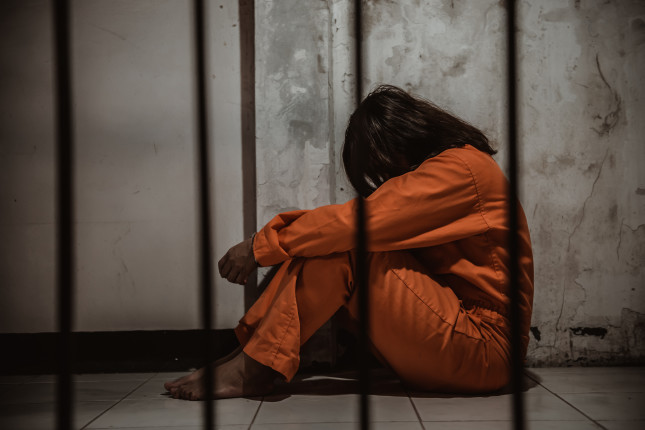
›The United States imprisons the most women in the world. Across the United States, approximately 200,000 women are incarcerated—nearly an 800 percent increase since 1980. Women of color are disproportionately affected by the criminal justice system. In 2017, twice as many Black women and 1.3 times as many Hispanic women were incarcerated compared to white women. An often overlooked aspect of the increasing rates of women’s incarceration is the impact on the sexual and reproductive health needs of these women. “Despite being the fastest growing incarcerated population, women and girls are correctional afterthoughts,” writes Kimberly Haven, an activist and formerly incarcerated woman who had to undergo a hysterectomy—a surgical procedure to remove the uterus (and, with it, childbearing possibilities)—after being denied proper menstrual products while incarcerated.
-
The State of Sexual and Reproductive Health and Rights: A Conversation with Dr. Zara Ahmed
› “Unintended pregnancy and abortion are reproductive health experiences shared by tens of millions of people around the world, irrespective of personal status or circumstance. What differs though are the obstacles,” said Dr. Zara Ahmed, Associate Director of Federal Issues at the Guttmacher Institute in this week’s Friday Podcast. Research from the Guttmacher Institute on sexual and reproductive health (SRH) found that in 2018, there were 121 million unintended pregnancies globally, and of those, 61 percent ended in abortion. About half of these abortions were in unsafe conditions and led to approximately 23,000 preventable pregnancy related deaths, said Ahmed. -
Meeting Women’s Modern Contraceptive Needs Could Yield Dramatic Benefit
›“Achieving true progress on sexual and reproductive health and rights requires a comprehensive approach and a commitment to tackling deeply entrenched inequities and injustices of which marginalized communities continue to bear the brunt,” said Dr. Herminia Palacio, President and CEO of the Guttmacher Institute. She spoke at a recent Wilson Center event where speakers analyzed findings from the Guttmacher Institute on the state of sexual and reproductive health and rights (SRHR) globally.
-
Women, Race, and COVID-19: A Conversation with Representative Alma Adams
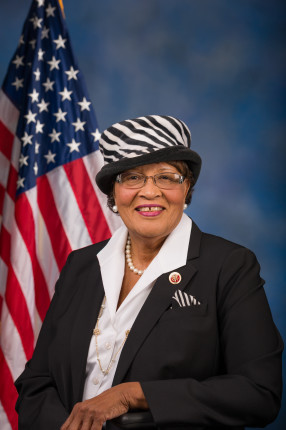
›“The pandemic has shown us in the starkest terms how wide the gaps are in health outcomes between Black and White America and between men and women,” said Representative Alma Adams (D-NC-12) at a recent Wilson Center event on women, race, and COVID-19 in the United States. “COVID-19 has revealed what the Black community and communities of color have known for a long time, health outcomes are further compounded by systemic and structural racism,” said Rep. Alma Adams. And COVID-19 has exposed what women have known for a long time. Gender inequality exists, it threatens economic empowerment, and it increases vulnerabilities.
-
Against My Will: Harmful Practices Threaten Gender Equality Worldwide
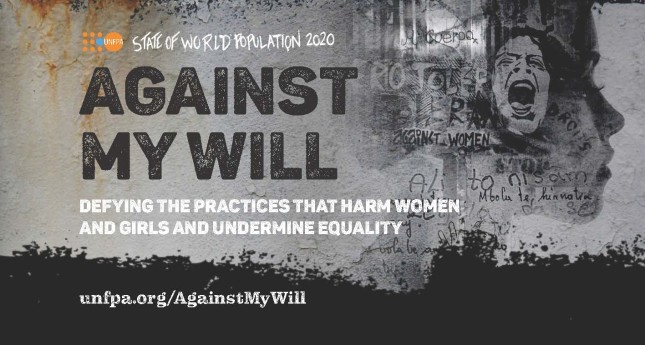
›“Our world is grappling with the COVID-19 pandemic and also coming to terms with systematic racism and oppression that black communities and communities of color continue to experience in the United States and in other parts of the world,” said Sarah Craven, Director of the Washington, D.C. office at the United Nations Population Fund (UNFPA) at a recent webinar launching UNFPA’s 2020 State of the World’s Population Report. This year’s report, titled Against My Will, covers three widespread practices that violate human rights, but are still accepted in many cultures—son preference, child marriage, and female genital mutilation/cutting (FGM/C).
Showing posts from category sexual and reproductive health.
 In a year that has presented enormous challenges, it is even more gratifying to present evidence that strengthens the importance of midwives as providers of essential sexual and reproductive health (SRH) services and the impact they can have on maternal and neonatal mortality and stillbirths, said Anneka Knutsson, Chief of the SRH Branch at the United Nations Population Fund (UNFPA) at a recent Wilson Center event, in partnership with UNFPA and Johnson & Johnson, to launch the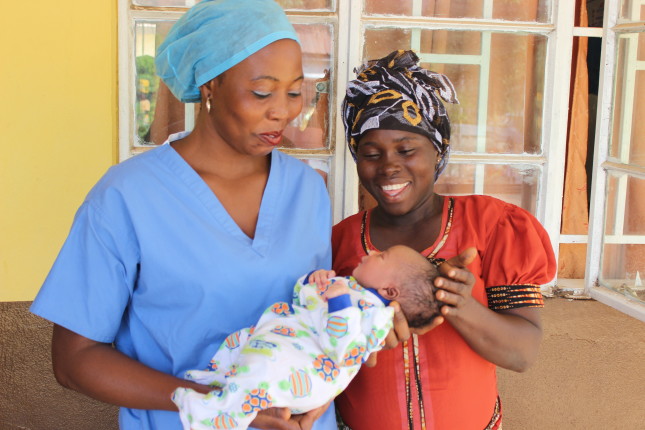
 “Unintended pregnancy and abortion are reproductive health experiences shared by tens of millions of people around the world, irrespective of personal status or circumstance. What differs though are the obstacles,” said Dr. Zara Ahmed, Associate Director of Federal Issues at the