-
Mark Montgomery: More Data on Urban-to-Urban Migration Needed
›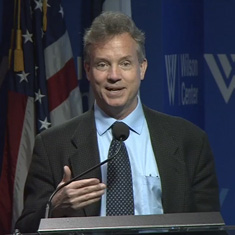
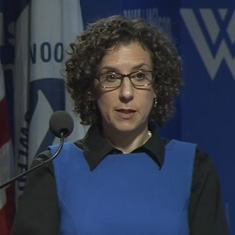
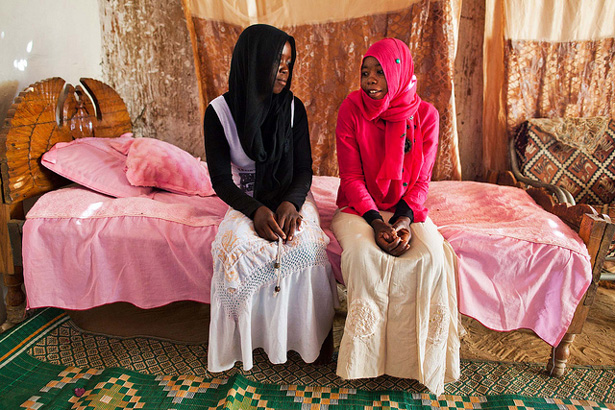
“If I ask you to consider the image in your mind of a migrant girl, probably you – like me – have a vision of a girl embarking from a rural village on a trek to the city,” says Mark Montgomery of the Population Council in this week’s podcast. But, “Is that what the empirical realities show?”
Perhaps not: “It is far more common for urban and migrant girls to come from other cities and towns than it is for them to come from rural villages,” he explains.
-
Faster-Than-Expected Population Growth in Many “Feed the Future” Countries
›August 1, 2013 // By Kathleen Mogelgaard
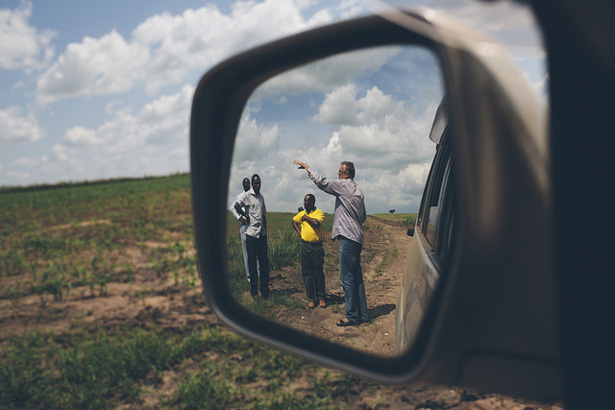
Cambodia to grow by nearly one-third by 2050; Kenya to more than double; Mali to swell to three times its current size. These were the population projections available when Feed the Future, President Obama’s global hunger and food security initiative, was beginning implementation in 19 focus countries around the globe in 2010.
-
Miriam Temin: Migrant Girls, Forced or Not, Need Safety Nets
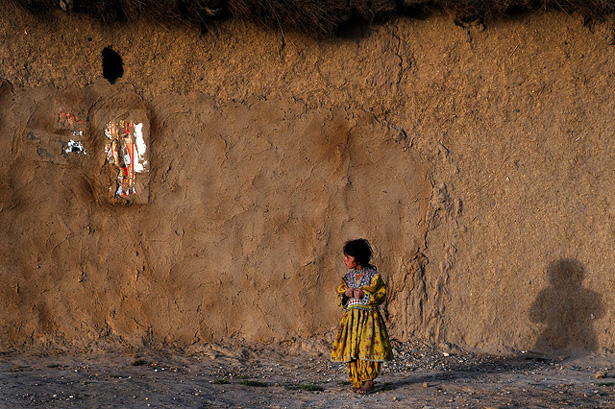
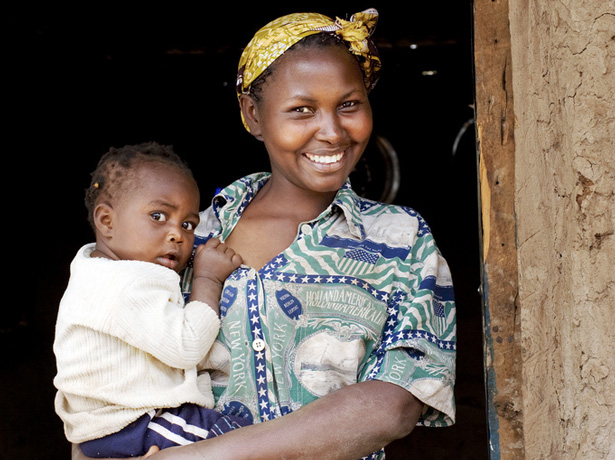
›“There’s a common myth that migrant girls are forced to move against their will, but in fact what we’ve found through our research is that most migrant girls are involved in the decision to move,” said the Population Council’s Miriam Temin in this week’s podcast.
Temin spoke at the launch of her and her colleagues’ new report, Girls on the Move: Adolescent Girls and Migration in the Developing World, about the economic incentives for girls to migrate and the risks involved for them.
-
In Afghanistan, Women’s Health May Be Marker for Taliban Resurgence [Part Two]
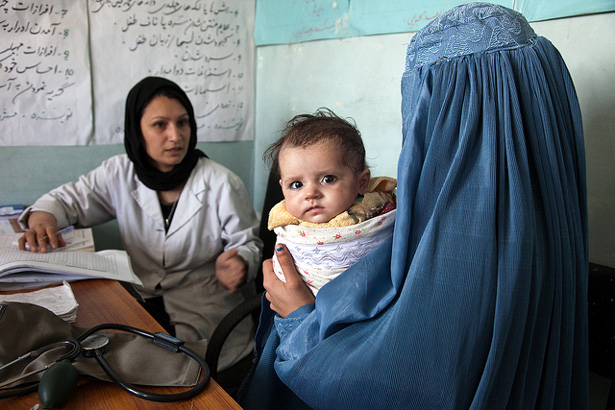
›Afghanistan’s youth, including more than seven million girls currently in school, are leading the call for new leadership, but many Afghans fear the chilling effect of a resurgent Taliban, said panelists at the Wilson Center during the second half of “Afghanistan Beyond the Headlines.” As the United States prepares to withdraw its forces over the next year, a halt in the country’s progress on women’s health may be the first sign of backsliding on many of the gains made over the last decade. [Video Below]
-
Afghanistan’s Youth and the Risks of Taliban Return [Part One]
›As the United States approaches its 2014 deadline for military withdrawal from Afghanistan, one often overshadowed aspect of the conflict is the hard-won progress made by previously marginalized segments of the Afghan population, particularly women, girls, and young people.[Video Below]
-
From Ethiopia to Egypt, Girls’ Education Programs Combat Child Marriage
›According to the UN Population Fund, more than 140 million girls will become child brides between 2011 and 2020 – an estimated 14.2 million young girls marrying too young every year or 39,000 daily. The majority of these girls do not receive access to education or reproductive health services. [Video Below]
-
Reproductive Health Organizations Embrace Cross-Sectoral Partnerships in Africa
›“The places in the world where the environment is most fragile, women’s health is most fragile,” said Leila Darabi, director of global communications for the Planned Parenthood Federation of America, at the Wilson Center. “The negative impacts on the environment tend to affect women the most. Women are the people who are planting kitchen gardens, women are traditional healers, and so they often feel the impact first when those things are degraded.”
-
Reviewing USAID’s Global Health Activities, and the Status of Malnutrition Worldwide
›USAID’s annual report to Congress on its global health programs breaks down the broad array of initiatives carried out each year “from the American people” to prevent child and maternal deaths, provide safe access to water, combat infectious disease, and deliver HIV/AIDS relief, among other priorities. Maternal and child health are of particular focus, with the agency helping to launch the Child Survival Call to Action, London Summit on Family Planning, and U.S. Government Action Plan on Children in Adversity last year. The authors report significant declines in maternal and newborn mortality rates for priority countries and the establishment of “national contraceptive security strategies” in 36 out of 47 USAID-supported countries since 2003. “All of these efforts align under U.S. goals to end extreme poverty and promote peace and prosperity worldwide, which result in improved security at home and better markets for U.S. businesses abroad,” writes Assistant Administrator Dr. Ariel Pablos-Méndez.
Showing posts from category gender.