-
Goldilocks Had It Right: How to Build Resilient Societies in the 21st Century
›March 5, 2013 // By Laurie Mazur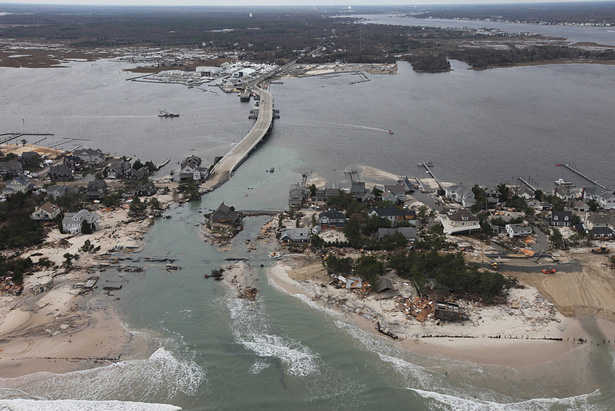
When Superstorm Sandy slammed into the U.S. East Coast last October, it was the latest in a series of “teachable moments” about our growing vulnerability to climate change.
-
The Other Migration Story in Mexico: Climate Change
›
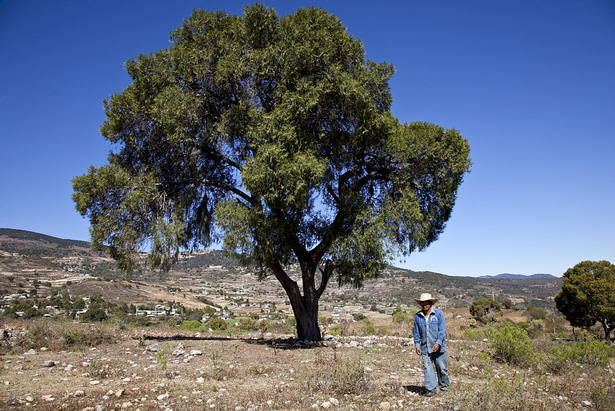
The conversation around immigration and Mexico has long been tied to the United States and the prevailing economic conditions in both countries. But a new report from the Royal United Services Institute argues that as temperatures rise and precipitation patterns change over the course of the next century, climate too will increasingly become a driver of both internal and international migration in Mexico. [Video Below]
-
Strengthening Responses to Climate Variability in South Asia
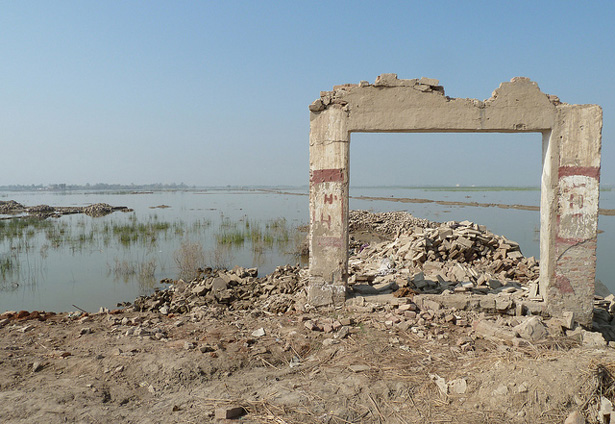
›Climate change and conflict can create a self-reinforcing feedback loop: Climate change exacerbates existing conflicts, while conflict makes adapting to climate change more difficult, said Janani Vivekananda of International Alert at the Wilson Center on February 7. [Video Below]
-
Mapping China’s Massive West-East Electricity Transfer Project [Infographic]
›The Wilson Center’s China Environment Forum is proud to announce that we are launching our first interactive infographic: a map of China’s West-East Electricity Transfer Project. The map underscores China’s energy and water imbalances and the looming choke point China faces in terms of water, food, and energy security. The map also illustrates how consumer goods made in China’s factories along its eastern coast are powered by coal and hydropower in the country’s western provinces.
-
Peter Thomson on the Big International Environment and Energy Stories of 2013
›Increasing energy demands around the world will mean a continuing focus on other fuel sources and climate change, said Peter Thomson of PRI’s The World, including the use of coal in countries like China and the safety of hydraulic fracturing and nuclear power. Other areas to watch include water, agriculture, and possible tipping points like dieback in the Amazon rainforest.
-
Michael D. Lemonick, Climate Central
U.S. Federal Climate Assessment: Energy, Water, Land Intertwined and Threatened
›January 31, 2013 // By Wilson Center StaffThe original version of this article, by Michael D. Lemonick, appeared on Climate Central.
Water resources, energy, and land use are so mutually dependent that climate-related disruptions to any one of them could lead to economically devastating ripple effects – especially as a growing population puts increasing strains on all three. That’s one conclusion of a recent report issued by a federal advisory committee charged with assessing how climate change has already affected the U.S., and what the future holds.
-
Kagondu Njagi, AlertNet
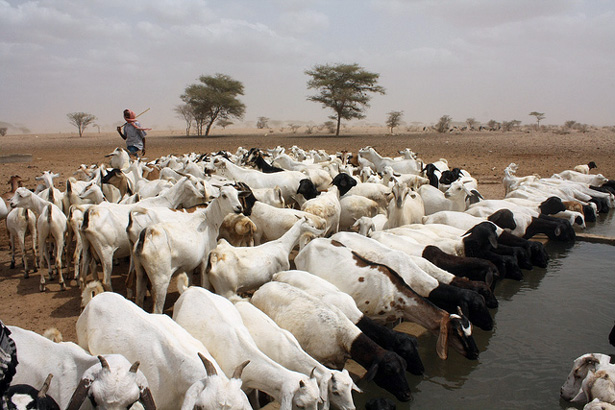
In Kenya, Water Stress Also Breeds Cooperation Between Competing Groups
›January 29, 2013 // By Wilson Center StaffThe original version of this article, by Kagondu Njagi, appeared on Thomson Reuters’ AlertNet.
By the time the violence had died down, more than 80 people lay dead and hundreds were left homeless.
Yet there was scarcely enough water – the resource the Maasai and Kikuyu tribes were fighting over – to wash away the blood that had stained this part of Kenya’s Rift Valley.
-
Nadya Ivanova, Circle of Blue
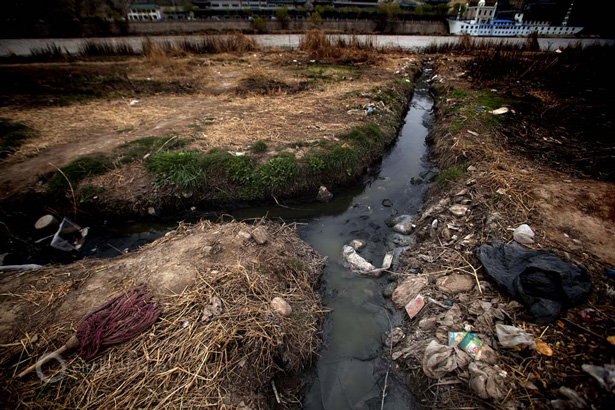
Across Much of China, Huge Harvests Irrigated With Industrial and Agricultural Runoff
›The original version of this article, by Nadya Ivanova, appeared on Circle of Blue.
The horizon gleams with a golden hue from the wheat fields that spread in all directions here in Shandong, a prime food-growing province on the lower reaches of the Yellow River. As hundreds of farmers spread the wheat like massive carpets to dry on country roads, combine machines are busy harvesting the grain. The same afternoon that the wheat harvest is finished, farmers will already be planting corn and other crops. This is how China feeds 1.4 billion citizens and millions of livestock.
Showing posts from category agriculture.