

-
AidData’s Myth-Busting China Report
›
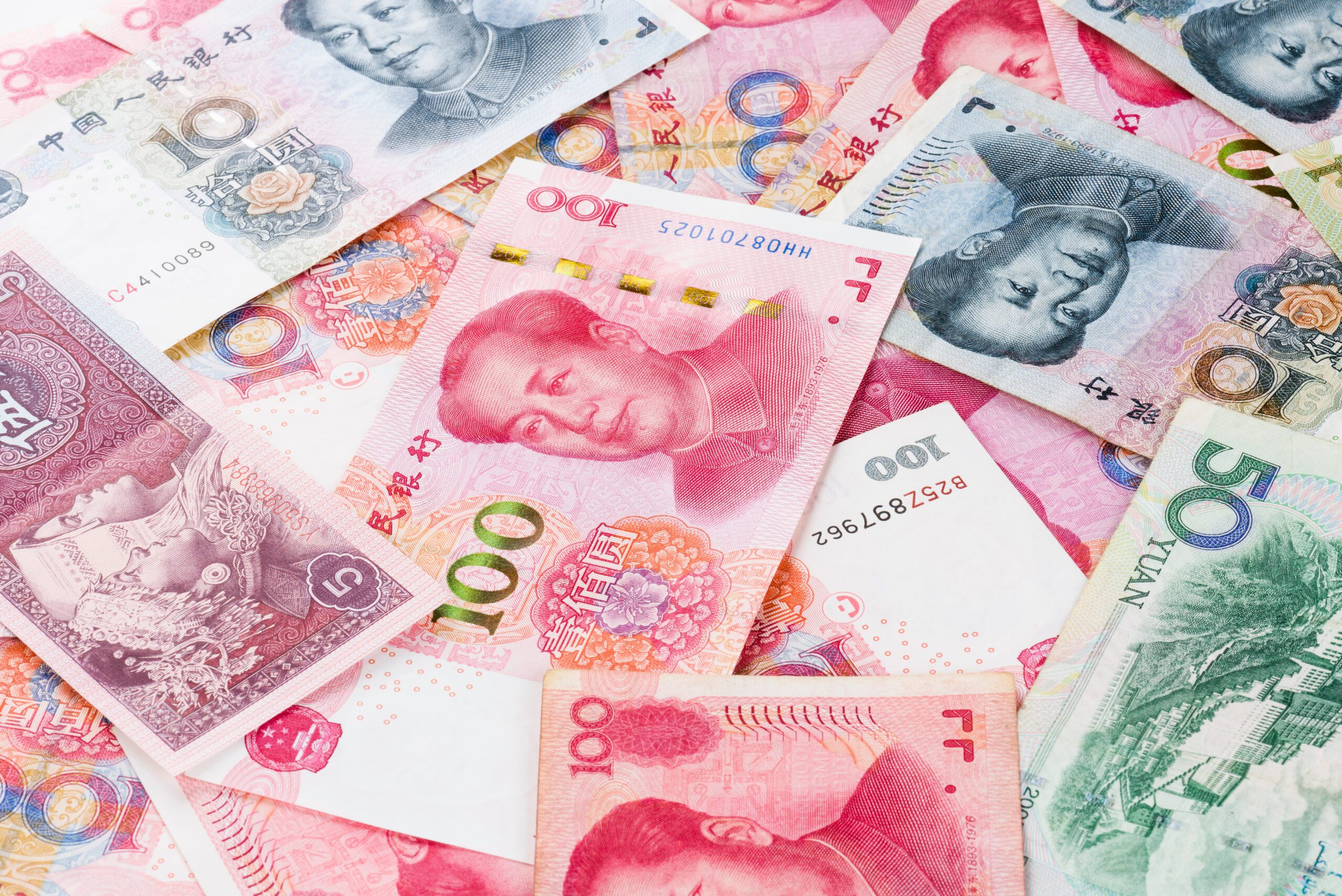
China’s expanding global loan portfolio gives Beijing extraordinary economic and strategic leverage as it competes with the United States on technology, global supply chains, and critical rare minerals. Accurately determining its overseas investments (grants, loans, other financial instruments) however has long been a guessing game. Such Chinese data can’t be easily found in traditional international reporting systems like the Organisation for Economic Co-operation and Development (OECD) and the International Aid Transparency Initiative (IATI). Chinese data can vary by source, much of which is hard to decipher as investments are displayed in the aggregate rather than by individual projects. Gaps in data and Chinese-language only publications present other obstacles to transparency.
-
Bogotá to Belém: The Unfinished Business of Integrating SRHR into Climate Action
›December 18, 2025 // By Nakuya Niona Kasekende SsebukuluJourneying from November 2025’s International Conference on Family Planning (ICFP) in Bogotá to the UN climate negotiations in Belém the following month revealed a fundamental tension. Evidence increasingly shows that climate justice requires reproductive justice, yet translating that recognition into policy commitments continues to raise political apprehensions among stakeholders.
-
Gender Confluences and Divides: Insights from a New Afrobarometer Survey
›December 8, 2025 // By Joseph AsunkaThe latest poll in a series of Afrobarometer surveys reveals just where Africans unite on sexual and reproductive health and rights (SRHR)—and where they diverge. There is strong support for women’s autonomy in marriage and reproductive decisions, but clear divisions on contraceptive access.
-
Environmental Security Weekly Watch: December 1-5, 2025
›December 5, 2025 // By Madelyn MacMurrayA window into what we’re reading at the Stimson Center’s Environmental Security Program
Deforestation and Flooding Turns Fallen Timber into Projectiles in Indonesia (The New York Times)
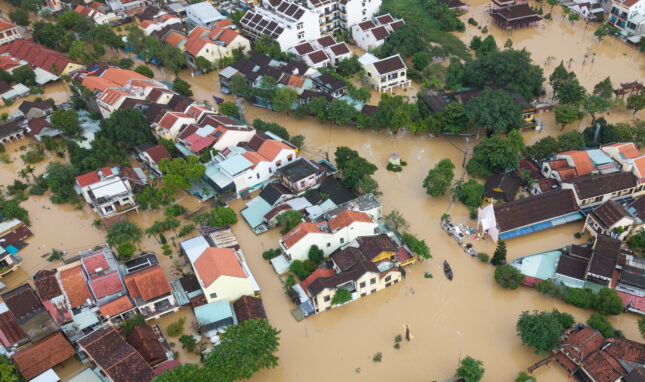
When Cyclone Senyar struck in late November, its death toll numbered 800 people across Indonesia, Malaysia, and Thailand. The Indonesian island of Sumatra saw a particular sort of damage as the storm unleashed sixteen inches of rain in parts of the island, wiped out four villages, and triggered flash floods and landslides. Decades of razing and converting natural forests into palm oil plantations, pulpwood farms, and gold mines drastically increased the region’s vulnerability to floods and landslides to the point that timber was transformed into projectiles that destroyed residences and infrastructure.
-
Water Conflicts Surge Globally: Peter Gleick on Rising Threats
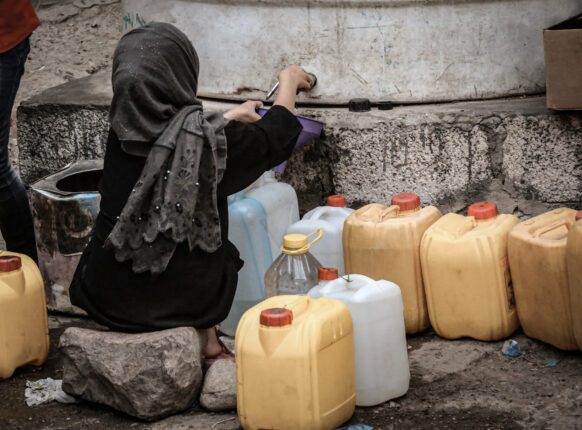
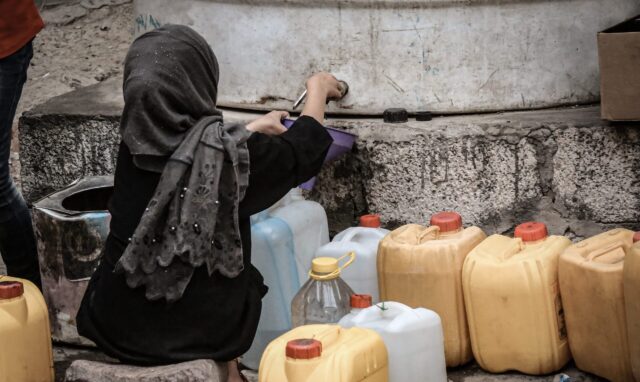
›December 4, 2025 // By Madelyn MacMurrayEvents over this past year have made water’s role in global conflicts increasingly salient. India threatened to restrict water flows to Pakistan in response to cross-border terrorism. Cyberattacks targeted water facilities across the United States and United Kingdom. And water infrastructure became a deliberate casualty in conflict zones from Ukraine to Gaza.
-
China Taps Indonesia’s Solar Potential
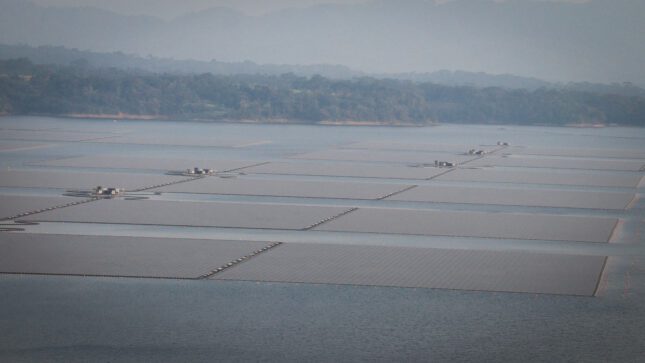
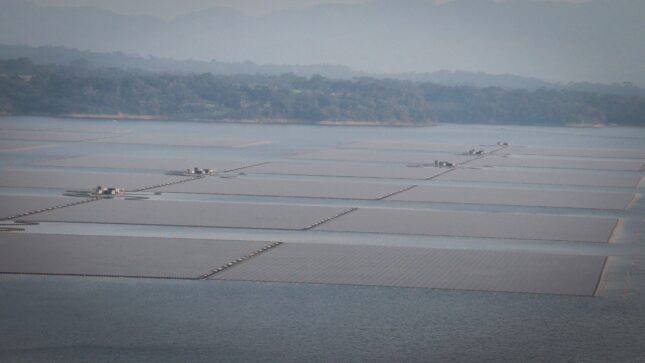
›In late 2023, Indonesia’s then President Joko Widodo presided over the launch of the country’s first floating solar power plant on the Cirata reservoir in West Java. Widodo touted how at 192MW it was “the largest floating solar plant in Southeast Asia.” He added the solar plant could eventually reach 500MW, generating enough electricity to power over 100,000 households in Indonesia. This floating powerhouse, made up of 300,000+ Chinese-built PV panels stretching 250 hectares on the water, has become the poster child for Indonesia’s commitment to going solar.
-
What Asia Can Learn from Ukraine’s Quest for Energy Security
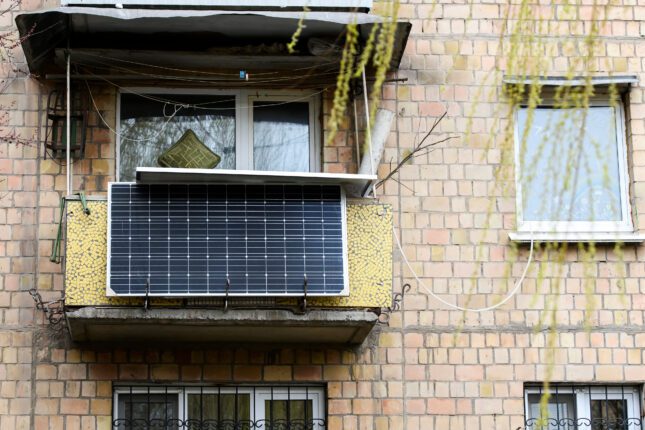
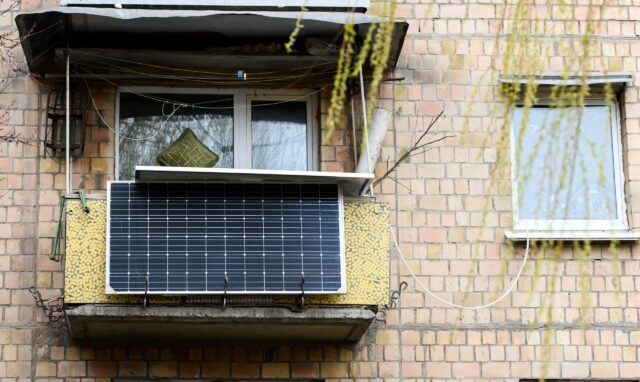
›December 2, 2025 // By Angeli JuaniWithin a month of escalated Russian airstrikes on its energy systems in October, Ukraine secured U.S. liquified natural gas (LNG) imports via Greece for the coming winter. While this deal demonstrated both the nation’s rapid wartime agility and capacity for energy diversification, it is only one part of a broader transformation of Ukraine’s energy future.
-
In the Blindspot: Security and Chinese EV Exports to the Global South
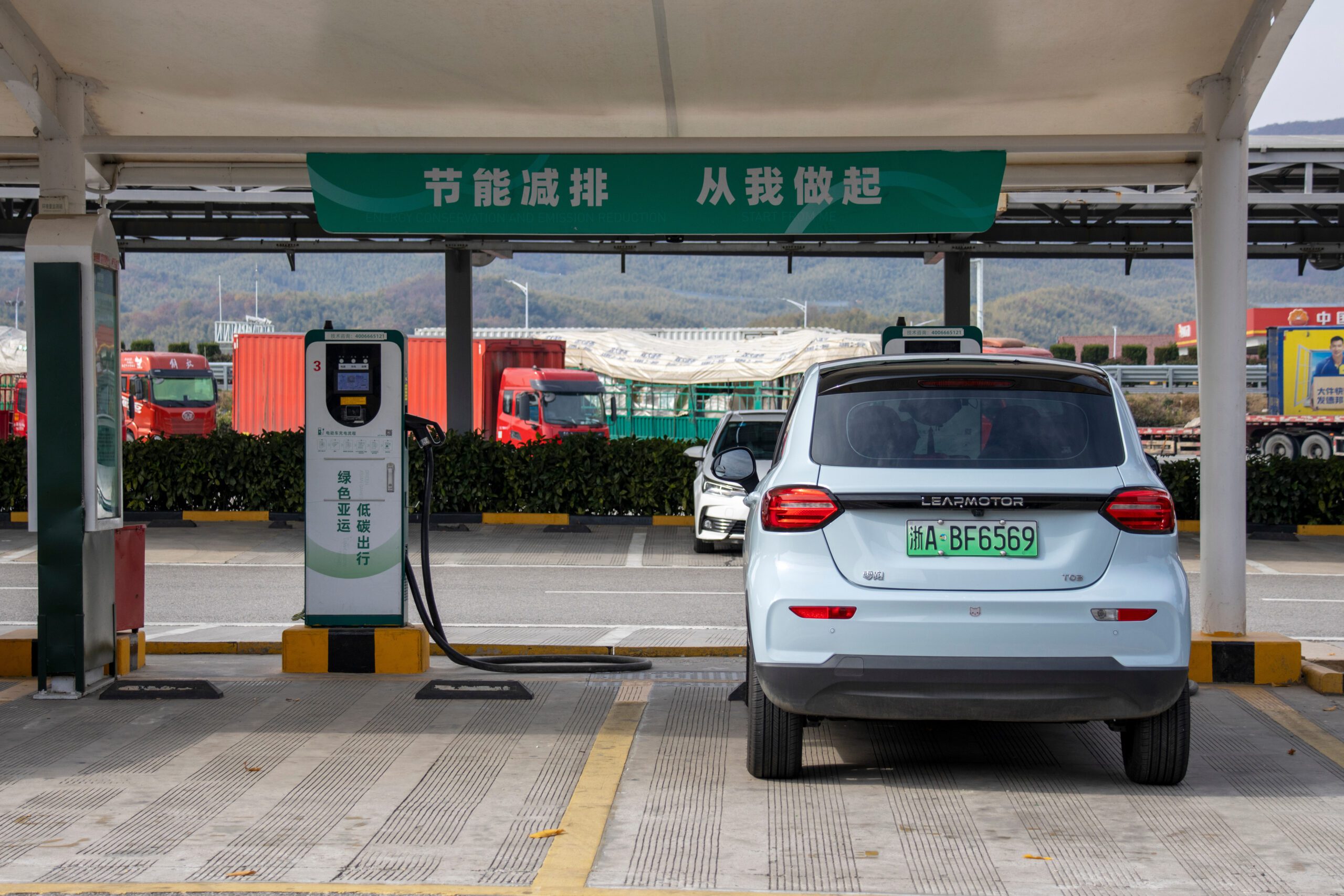
›The most persuasive argument for global EV adoption is the positive impact that these vehicles have for the environment. A scientific consensus has emerged around the benefits of electric vehicles and their zero tailpipe emissions, ranging from local air quality improvement to increased energy efficiency.
 A Publication of the Stimson Center.