-
Hunger in Shangri-La: Causes and Consequences of Food Insecurity in the World’s Mountains
›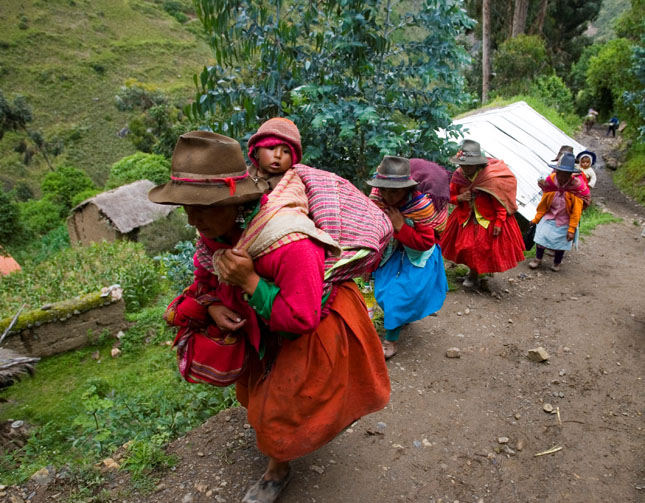
Over the past decade, the number of undernourished people around the world has declined by around 167 million, to just under 800 million people. However, this positive trend glosses over a stark reality: Food insecurity is increasing in the world’s mountains. This pattern has been under-recognized by development experts and governments, a dangerous oversight with far-reaching social and environmental repercussions.
-
Peace After Paris: Addressing Climate, Conflict, and Development
›
2015 was a historic year for international commitments to sustainable development, climate change action, and new kinds of peacebuilding. For governments and policymakers, now comes the difficult task of living up to those commitments. [Video Below]
-
Paris Was a Success, But the Climate-Security Response Is Lagging, Says Nick Mabey
›
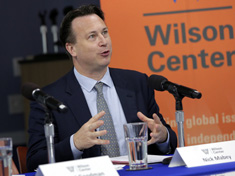
In the months leading up to the United Nations conference on climate change in Paris last fall, expectations were high. And the result actually exceeded those expectations in many respects, says Nick Mabey, director and chief executive at the environment consultancy E3G, in this week’s podcast.
-
The Case for a Caribbean Carbon Market
›In an effort to scale-up climate change mitigation, the largest private sector engagement in the history of the United Nations was drafted to fund clean technology projects in developing countries. Carbon credits were to offset pollution in developed nations and pay for clean energy projects in developing countries. But many developed countries, including the United States, spurned the agreement, preferring to manage greenhouse gas emissions internally and build or retrofit infrastructure in ways that directly benefited their economies. The ambitions of the Kyoto Protocol, which went into effect in 2005, were subsequently stranded and then scrapped.
-
Should the UN Security Council Take Up Climate Security Issues? Ken Conca on Institutional Change
›As the dust settles on the newly minted Sustainable Development Goals (SDGs) and Paris climate agreement, countries have begun tackling operational questions aimed at limiting global warming to two degrees Celsius and ensuring peaceful, sustainable development. -
The Future of the Sustainable Development Goals
›“As we go forward, we will discover that 2015 was when we really started getting serious about transdisciplinary challenges inherent in sustainable development,” said Melinda Kimble, senior vice president for programs at the UN Foundation, at the Wilson Center on April 13. [Video Below]
-
Solomon Greene et al., Urban Wire
To Foster Sustainable Development, Cities Need Data – and Permission to Use It
›Cities are where sustainable development challenges like poverty and disaster risk are felt most acutely, particularly as the world’s population shifts to urban areas. But cities can also be incubators for the policies to address those challenges, and local leaders increasingly hold the keys to fostering inclusive growth and mitigating climate change.
-
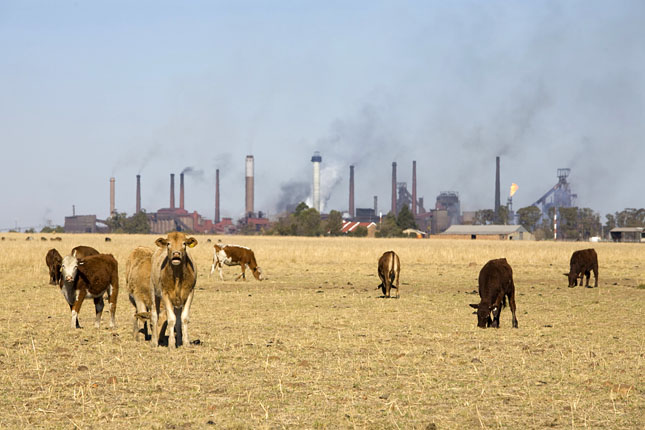
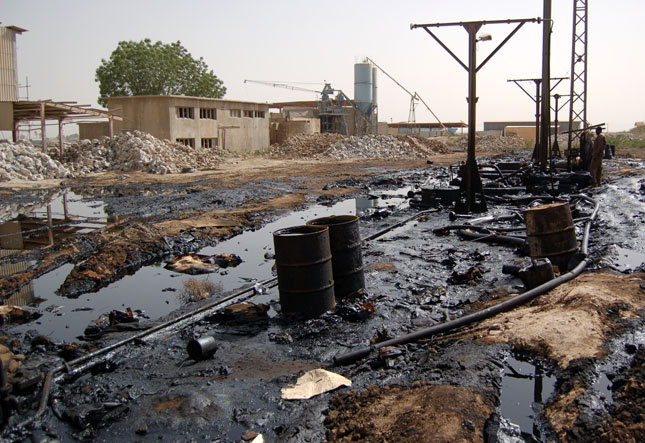
South Sudan’s Broken Oil Industry Increasingly Becoming a Hazard
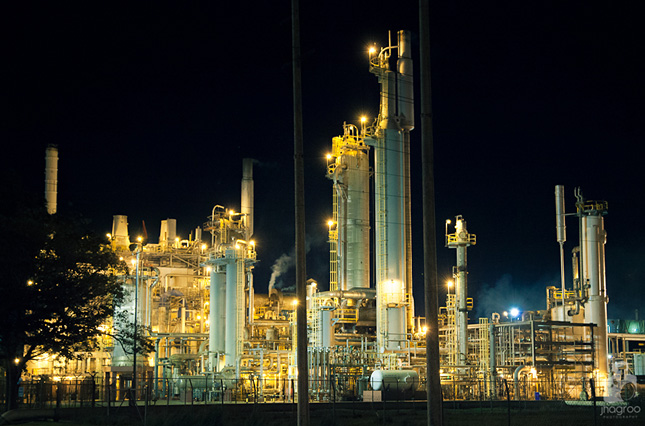
›The environment has long been a factor in violent conflict in South Sudan, especially with respect to control over oil. The first oil was discovered in 1999, and by 2007, hydrocarbons accounted for over 95 percent of Sudan’s income. South Sudan became independent in 2011 after years of war with the Sudanese government in Khartoum, intensified by local conflicts over access to oil-rich border areas. But beyond conflict, South Sudanese communities have also been ringing the alarm bell about pollution and health hazards caused by the oil industry.
Showing posts from category UN.
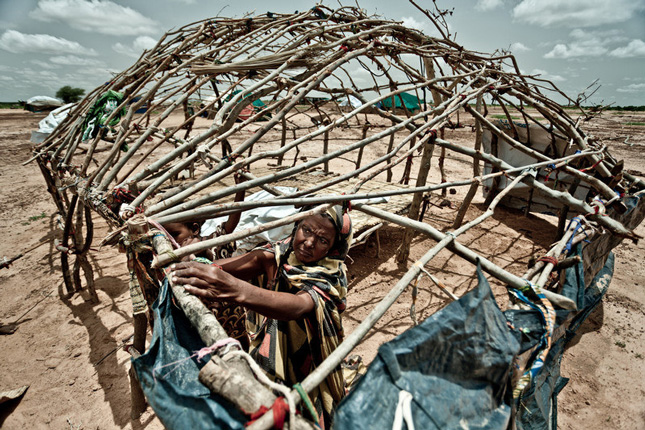
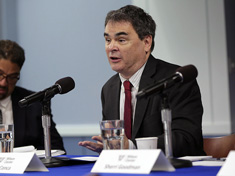 As the dust settles on the newly minted Sustainable Development Goals (SDGs) and Paris climate agreement, countries have begun tackling operational questions aimed at limiting global warming to two degrees Celsius and ensuring peaceful, sustainable development.