-
Global Water and National Security: Why the Time Is Now
›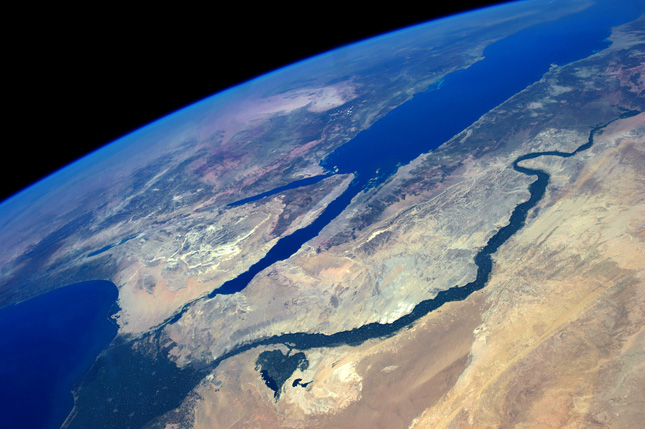
During the 2016 campaign President Trump stated that clean water would be a top priority of his administration, telling ScienceDebate.org “it may be the most important issue we face as a nation for the next generation.” Now is the time to make good on that commitment.
-
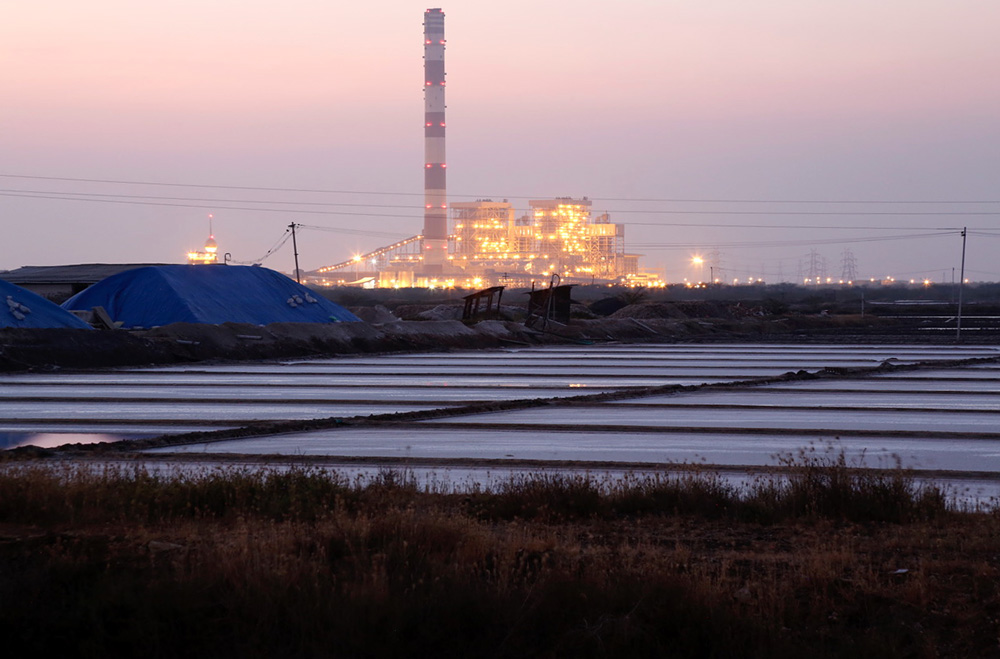
Introducing “Choke Point: Tamil Nadu,” a Look Inside One Indian State’s Struggle With Severe Water Stress
›
TUTICORIN, India – Among the 75 government agencies that manage and regulate this bewitching and often impassioned nation, there is no Ministry of the Future. There should be.
-
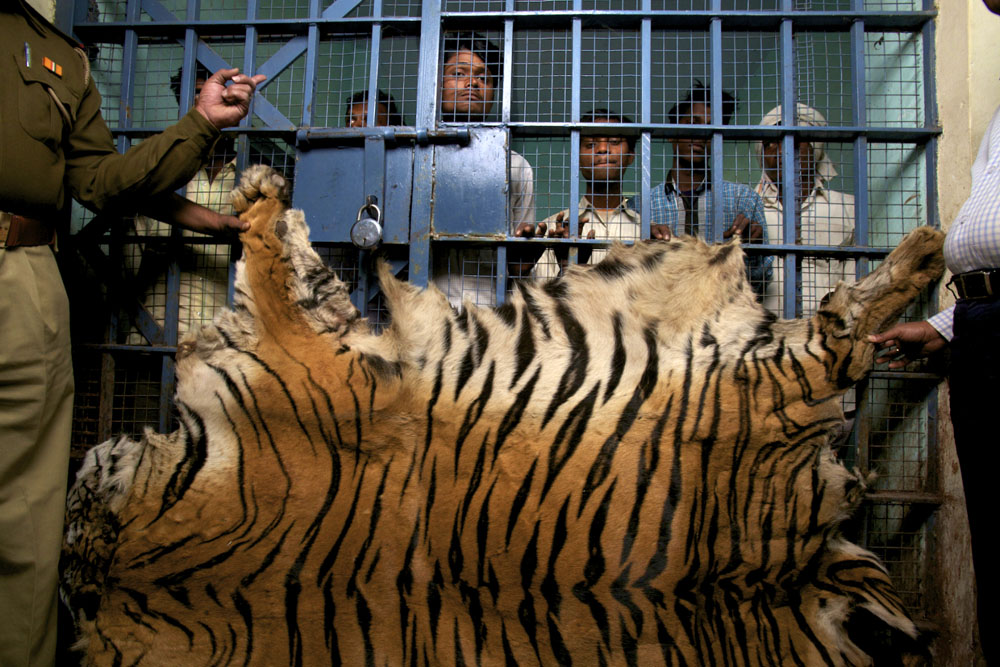
As Asian Luxury Market Grows, a Surge in Tiger Killings in India
›From 1990 to 2013, the notorious tiger poacher Kuttu Bahelia and his extended family – brothers, uncles, and their wives and children – reportedly killed hundreds of tigers and leopards in the tiger-rich Indian states of Maharashtra and Karnataka, according to law enforcement informants and media reports. “Even if half that [estimate] is correct, it is still a very significant number,” says Belinda Wright, who directs the non-profit Wildlife Protection Society of India (WPSI).
-
Mismatched Flood Control System Compounds Water Woes in Southern Bangladesh
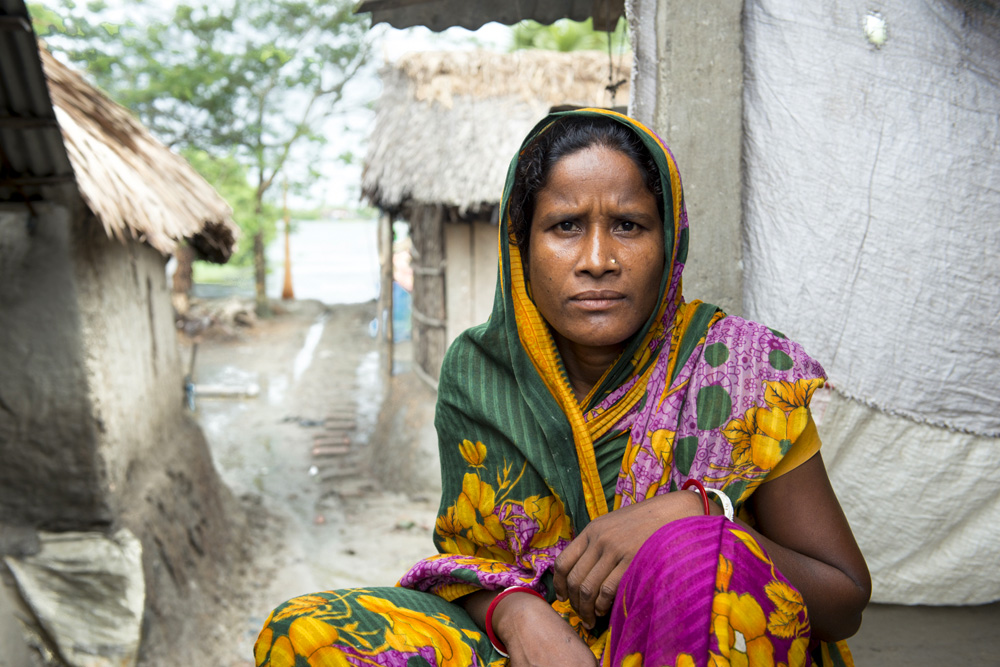
›In Koyra Number 6, a coastal hamlet bordering the Sundarbans in southwestern Bangladesh, a group of men unload barrels of water from their trawlers – 50 drums holding 30 liters each. They announce their arrival by yelling. And word spreads. This is how this village gets their daily drinking water, from a town nine miles away.
-
Rachel Cernansky, Ensia
How “Open Source” Seed Producers From the U.S. to India Are Changing Global Food Production
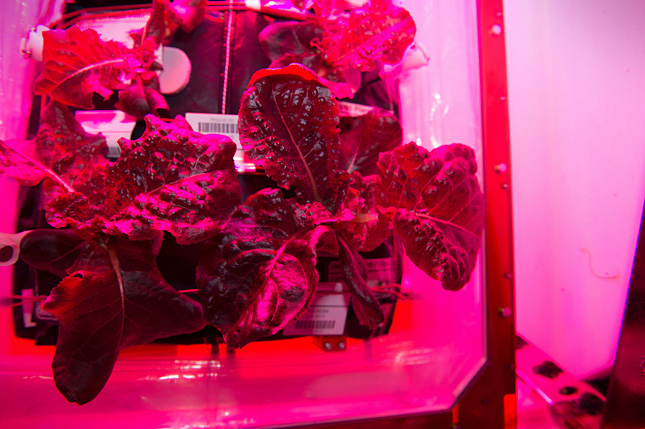
›December 29, 2016 // By Wilson Center StaffFrank Morton has been breeding lettuce since the 1980s. His company offers 114 varieties, among them Outredgeous, which last year became the first plant that NASA astronauts grew and ate in space. For nearly 20 years, Morton’s work was limited only by his imagination and by how many different kinds of lettuce he could get his hands on. But in the early 2000s, he started noticing more and more lettuces were patented, meaning he would not be able to use them for breeding.
-
After the Landslide: A Closer Look at Loss and Damage in Nepal
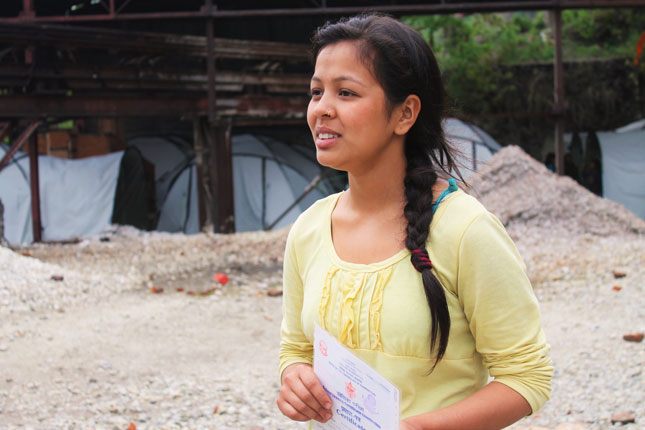
›It had been raining for two full days when the landslide came. Nirjala Adhikari vividly remembers the instant it hit her village in Sindhupalchok District, Nepal. “It was a very scary moment, and I couldn’t think of anything else than grabbing my mobile phone and my school certificate before I ran out of the house,” she recalled. “I secured my certificate because only this will help me establish a bright future.”
-
Michael Kugelman Explains the Flare Up in India-Pakistan Water Tensions
›October 21, 2016 // By Schuyler NullLast month, India subtly warned that it could withdraw from the Indus Waters Treaty with Pakistan, one of the oldest and most significant water treaties in the world, because of a lack of “mutual trust and cooperation.” A week later, the Indian military launched a “surgical strike” across the Pakistani line of control in Kashmir against alleged terrorist camps.
-
In Drought-Stricken India, Water Tensions Spill Into the Streets
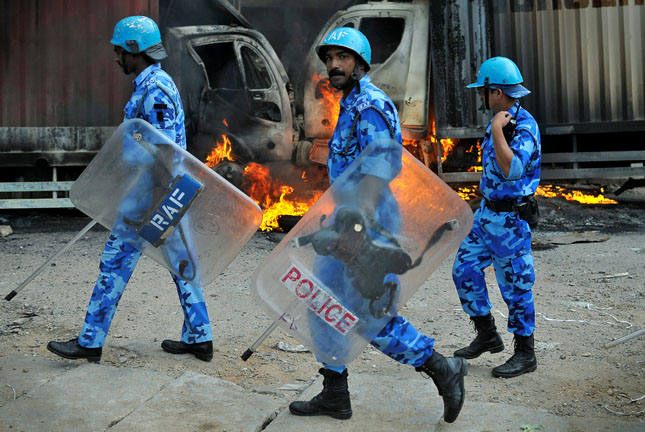
›October 7, 2016 // By Sreya PanugantiAs the remains of nearly 60 buses smoldered at a depot in Bangalore, the “Silicon Valley” of India, protestors chanted, “We will give blood, but not Cauvery!” Downstream, in neighboring Chennai, at least 100 vehicles have been damaged, more than 500 people have been arrested, and a 25-year old died after setting himself on fire in protest.
Showing posts from category South Asia.