

-
The New Middle Eastern Wars: To Protect Civilians, Protect Environmental Infrastructure
›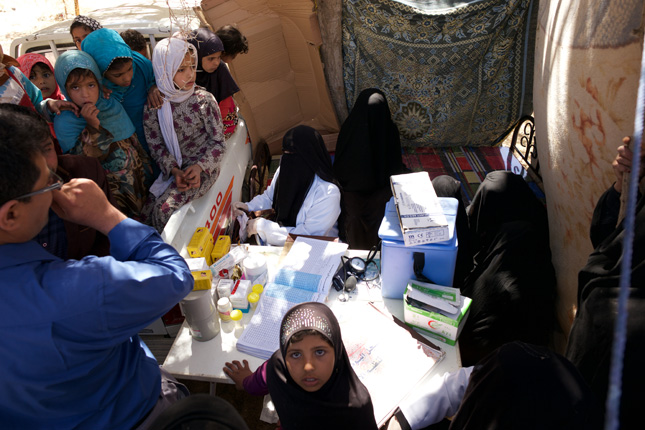
Six years of brutal warfare have destroyed basic infrastructure in Yemen, Libya, and Syria. While U.S. and European governments have been largely preoccupied with providing immediate assistance and dealing with refugees, international humanitarian organizations—such as the International Committee of the Red Cross and Doctors without Borders—are focusing on how to repair, maintain, and safeguard the facilities that provide essential services like clean water, sanitation, and electricity. Yet these efforts are hindered by lack of resources, protracted violence, and—most insidiously—by the warring parties’ intentional targeting of humanitarian actors and environmental infrastructure. Just as the extensive damage from hurricanes in the Caribbean and southeastern United States has underscored the need for more resilient infrastructure, the wars of the Middle East show that protecting infrastructure is key to protecting civilians caught up in conflict.
-
Lessons From International Water Sharing Agreements for Dealing With Climate Change
›
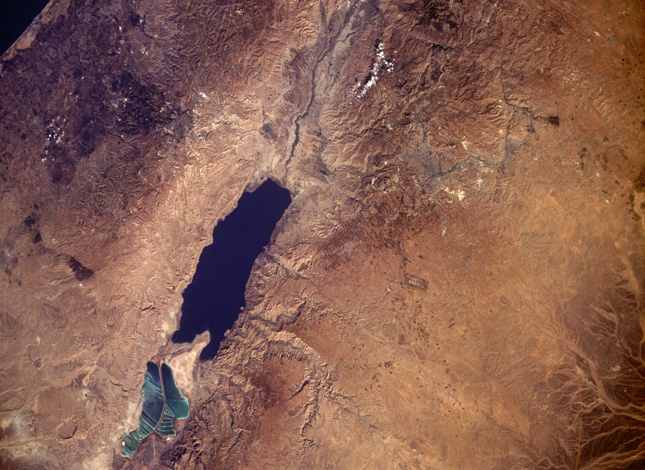
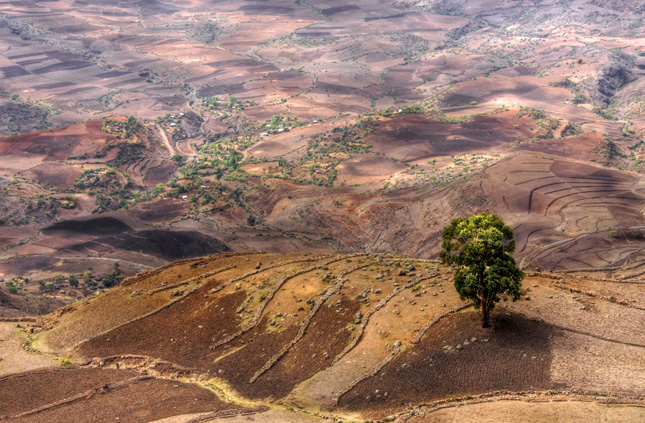
Scientists agree that many countries in tropical, subtropical, and arid regions should expect changes to water availability and supply from climate change. The U.S. intelligence community has likewise warned of water-driven challenges not only for countries directly affected by water changes, but indirectly to various U.S. national security interests. Perhaps not surprisingly then, the popular literature has been quite clear about prophesizing wars over water.
-
8 Rules of Political Demography That Help Forecast Tomorrow’s World
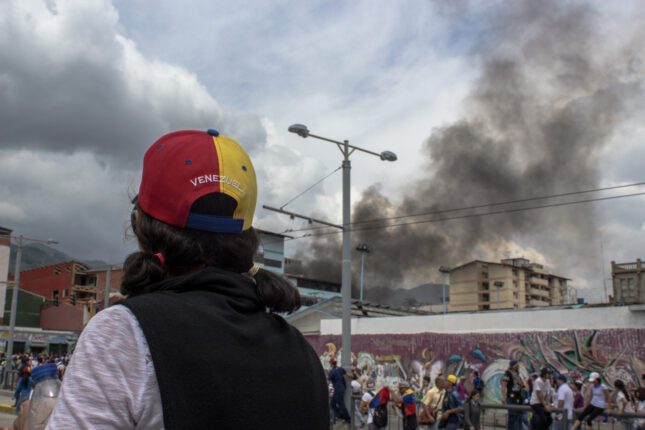
›In a world rapidly churning out unpredictable political shocks, intelligence analysts occasionally need to clear their heads of the daily barrage of newsworthy events and instead work with simple theories that discern the direction and speed of trends and help predict their outcomes. Political demography, the study of population age structures and their relationships to political trends and events, has helped some analysts predict geopolitical changes in a world that, from time to time, appears utterly chaotic. -
The Deadly “Humanitarian Ping-Pong” of Refugee Rescue at Sea
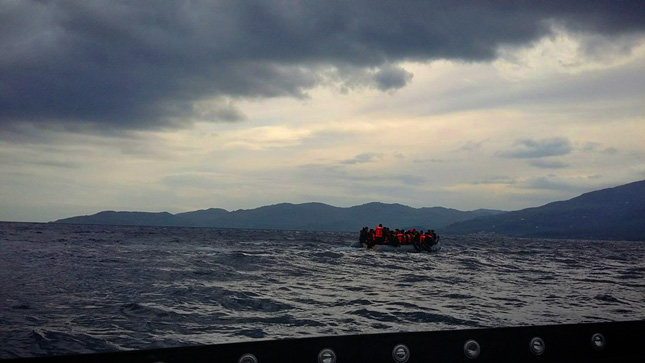
›In 2013, a boat capsized 61 miles from the Italian island of Lampedusa killing 268 refugees including 60 children. It was another horrific example of the risks taken by so many families fleeing violence in the Middle East and Africa. But recently released tapes of conversations with coast guard authorities reveal a deeper tragedy.
-
Wilson Center’s Lisa Palmer Launches ‘Hot, Hungry Planet’
›A steadily increasing global population, growing food demand, and changing climate necessitate new kinds of thinking in agriculture but also fields like public health and energy, concludes a new book, Hot, Hungry Planet, by former Wilson Center Public Policy Scholar and current Senior Fellow at the National Socio-Environmental Synthesis Center Lisa Palmer.
-
A Changing Environment Threatens Worker Safety and Productivity
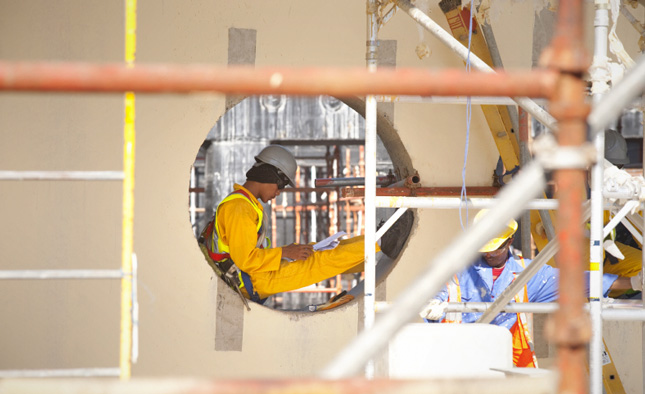
›May 11, 2017 // By Sara MerkenThe implications for a warmer climate are many, but perhaps one of the most frequently overlooked is what it could mean for worker safety and productivity in certain sectors of the global economy.
-
Lukas Rüttinger, A New Climate for Peace
Insurgency, Terrorism, and Organized Crime in a Warming Climate
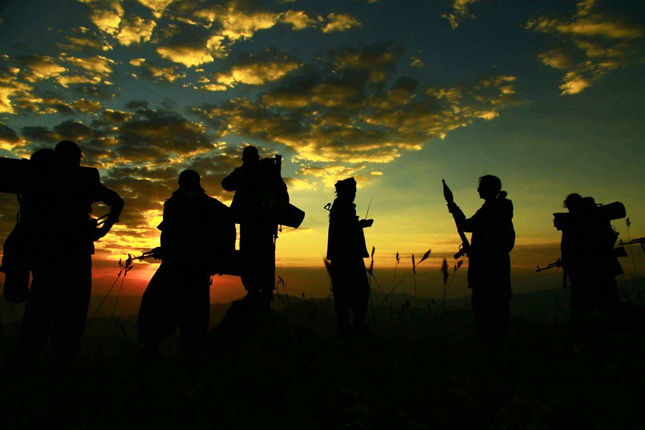
›May 2, 2017 // By Wilson Center StaffTerrorist groups such as the Islamic State and Boko Haram have been dominating the headlines since 2013. Both groups have gained international notoriety for their ruthless brutality and their rise is posing new challenges for national, regional, and international security. Such non-state armed groups (NSAG) are not a new phenomenon. Today, however, we can observe an increasingly complex landscape of violent actors with a range of hybrid organizational structures and different agendas that set them apart from “traditional” non-state actors and result in new patterns of violence.
-
Backdraft #7: Janani Vivekananda on What Renewable Energy Projects Can Learn From Oil, and Future-Proofing Humanitarian Responses
›As more and more development and humanitarian programs contend with climate-related problems, there are important lessons learned from past experience that should not be forgotten, says Janani Vivekananda, formerly of International Alert and now with adelphi, in this week’s episode of “Backdraft.”
Showing posts from category Middle East.
 As more and more development and humanitarian programs contend with climate-related problems, there are important lessons learned from past experience that should not be forgotten, says Janani Vivekananda, formerly of International Alert and now with adelphi, in this week’s episode of “

