-
Risks and Restoration: Land as a Driver of Conflict and Cooperation
›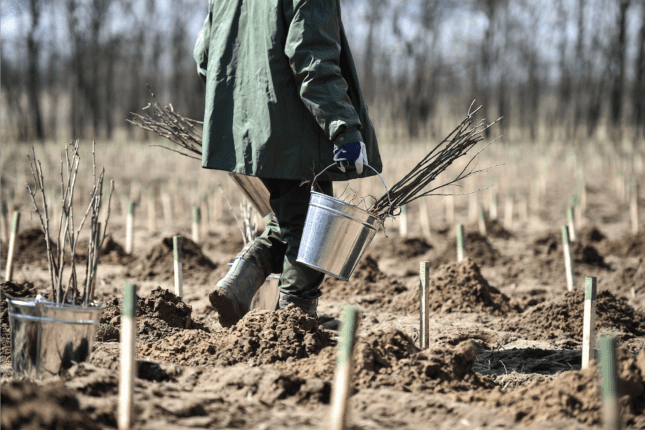
Land is crucial to people’s livelihoods, health and wellbeing, culture and identity. So disputes over access to or use of land are a prominent feature in many conflicts. The Environmental Justice Atlas finds that land is at the root of conflict dynamics in approximately a third of environmentally-driven cases recorded. And because land is increasingly under threat—20-40% of global land area is degraded—the risk of conflict is increasing.
-
ECSP Weekly Watch | May 27 – 31
›
A window into what we are reading at the Wilson Center’s Environmental Change and Security Program
Panama’s First Climate-Related Relocation
The Guna Indigenous people of Gardi Sugdub—an island in Panama’s San Blas Archipelago—are moving to new mainland homes in Carti Port’s Isber Yala neighborhood. This move is part of a larger relocation effort supported by the country’s government since 2010 to address the impacts of climate change on its indigenous peoples.
-
Building a Response to Environmental Violence
›Human-produced pollution is the single leading cause of mortality today, yet it is not widely considered a form of violence. On July 28, 2022, the United Nations General Assembly (UNGA) voted—with 161 in favor and eight abstentions—that living in a clean, healthy, and sustainable environment is a human right. Building on a similar declaration by the United Nations Human Rights Council in October 2021, the UNGA has now reinforced the notion that the growing assaults on human health through environmental hazards are transgressions against the basic rights and freedoms of people. Efforts to create a human right to a healthy planet, and even a planetary right to health that would signifying potential rights of nature, are growing both in real activity and demand.
-
The Arc | Dr. Renata Giannini on Women Environmental Defenders in the Amazon and Climate Mitigation
›In today’s episode of The Arc, ECSP’s Angus Soderberg and Claire Doyle interview Wilson Center Fellow Dr. Renata Giannini about her work with women environmental defenders in the Amazon and their role at COP30 in Brazil. Select quotes from the interview are featured below. -
Heat, Oil, and Dust: The State of Iran’s Lakes and Its Climate Future
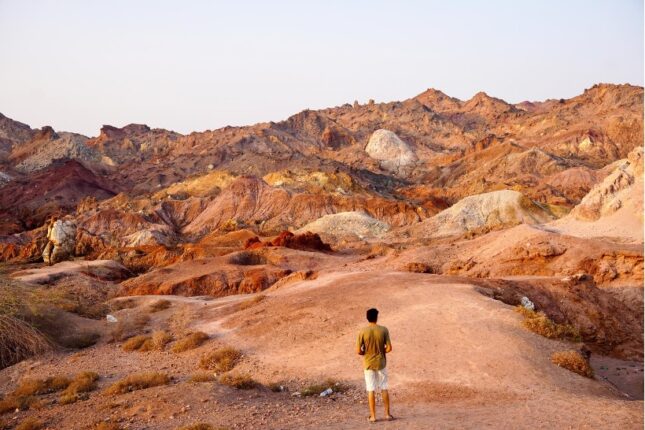
›Iran’s southeastern province of Khuzestan—which borders Iraq—was already a dry and dangerous place. It was the site of the fiercest battles in the Iraq-Iran war which followed the Iranian Revolution in 1979, and to this day, the region still has many unexploded landmines.
Yet this legacy of violence is not the only issue facing its residents. As climate impacts mount in Khuzestan, the future looks bleak for both the region’s ecosystems and the people already living on this borderline.
-
Who Should Pay for Soil Contamination in China?
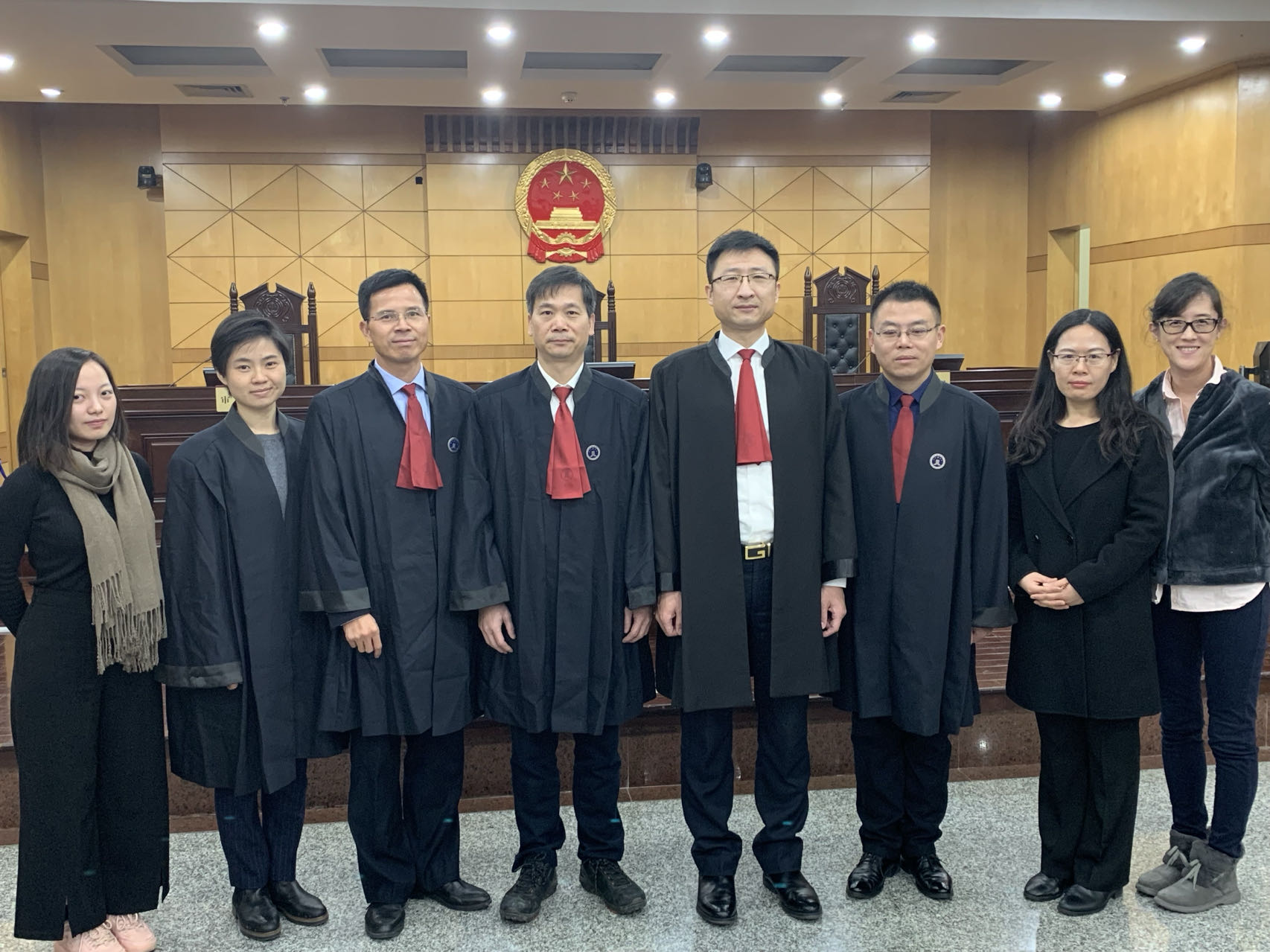
›On April 18, 2016, I was on the train with my Friends of Nature (FON) colleagues for a work trip when a shocking piece of news erupted on social media: hundreds of students in Jiangsu Province fell ill after moving into a newly built middle school. Reported symptoms included itchy skin with rashes and lesions, coughing, and a decline in white blood cell count. Students and parents later learned that their beautiful new school was built next to a contaminated site, previously home to three chemical manufacturing facilities, the largest of which had produced pesticides for decades. After these companies closed, a company contracted by the local government to clean up the site failed to properly collect and dispose of toxins in the soil. These toxins leaked into the air and sickened the students.
-
Clearing War Debris Can Help Ukraine Move Forward
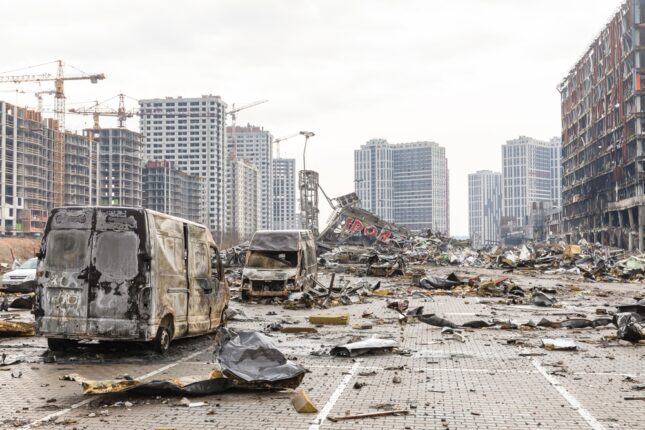
›When Russia launched its brutal invasion of Ukraine on February 22, 2024, Western nations supported Ukraine with military and financial aid. But over two years, the cost of the war has been devastating—not only in terms of lives lost, and injuries sustained, but also in the number of buildings destroyed. According to some estimates, more than 150K structures have been damaged in the conflict.
-
The Arc | Gender, Agriculture, and Climate Change with Dr. Maureen Miruka
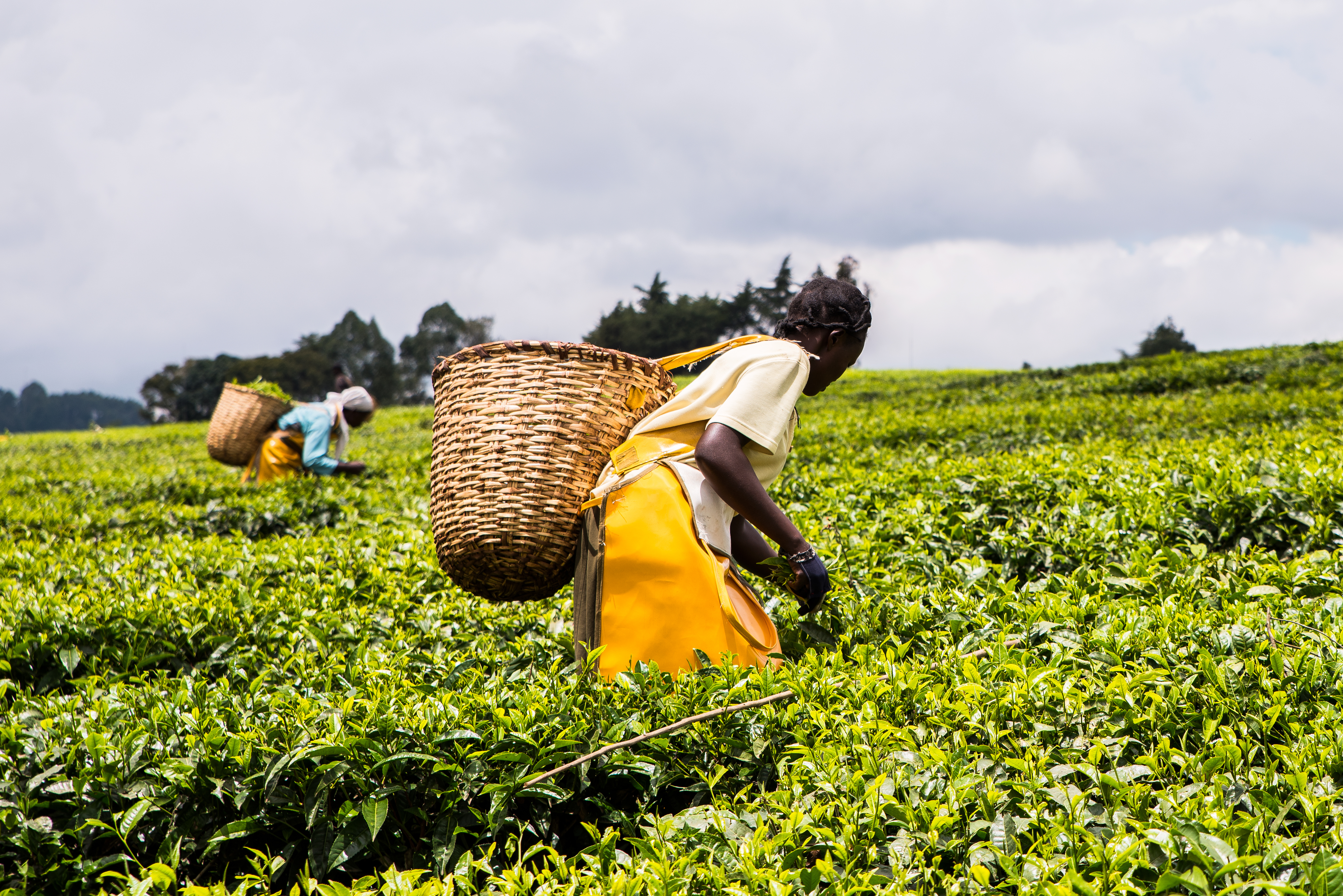
› In the first episode of The Arc, ECSP’s Claire Doyle and Angus Soderberg speak with Dr. Maureen Miruka about the complex relationship between gender, climate, and agriculture. Dr. Miruka, who is Director of Strategic Partnerships and Research at CARE USA, emphasizes the disproportionate impact of climate stressors on women and vulnerable populations through the lens of food systems. She also underscores the pivotal role women play as change agents in global climate mitigation and adaptation, and makes a call to broaden the scope of research in this space to include other gender minorities.
Showing posts from category land.

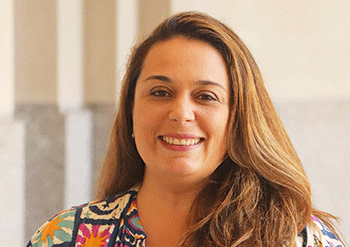 In today’s episode of The Arc, ECSP’s Angus Soderberg and Claire Doyle interview Wilson Center Fellow Dr. Renata Giannini about her work with women environmental defenders in the Amazon and their role at COP30 in Brazil. Select quotes from the interview are featured below.