-
A New Model of Development? The Role of Public-Private Partnerships in International Aid
›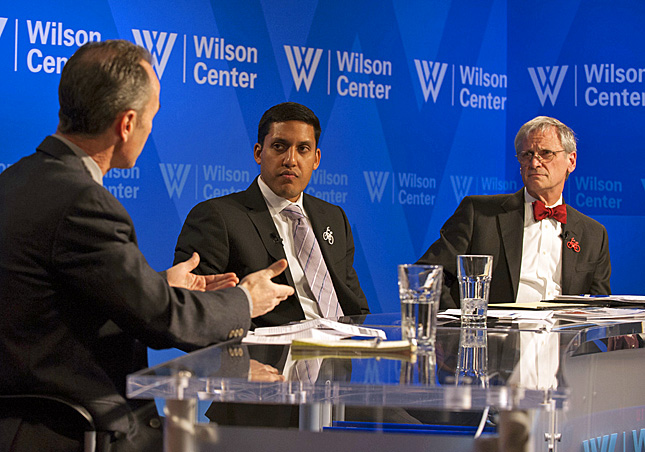
USAID funding is “far outstripped” by private investment and business relationships in “nearly every country” in which it works – and that’s a good thing, according to USAID Administrator Rajiv Shah. [Video Below]
-
Big Changes Need Big Stories: The Year Ahead in Environment and Energy Reporting
›
While climate change has enjoyed a recent spike in news coverage, journalists face a constant challenge to bring sustained attention to other environmental stories, including resource scarcity, the changing oceans, and demographic change. [Video Below]
-
Unveiling the Dark Places: Urbanization, Economic Change, and Gender-Based Violence
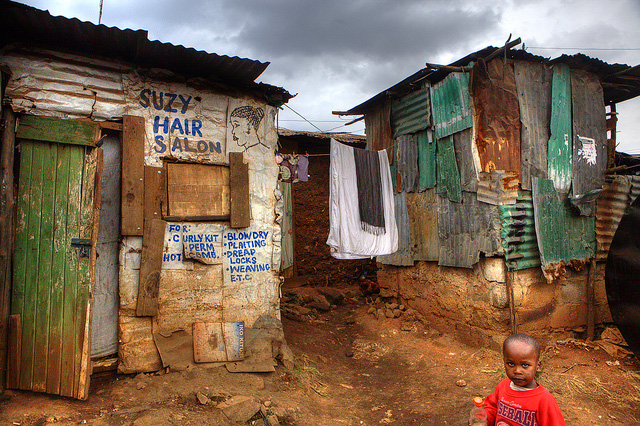
›“If there was a perfect slum, Kibera would be it.” The notoriously overcrowded and underserved settlement in the Kenyan capital of Nairobi captivates the public imagination, engendering visions of urban violence, poverty, and hopelessness, said Caroline Wanjiku Kihato of the University of the Witwatersrand at the Wilson Center on February 18. The area was ravaged by ethnic violence that erupted across the country following Kenya’s disputed 2007 elections, pitting neighbor against neighbor in tribal clashes that killed more than 1,000 people, displaced many thousands more, and provoked an alarming surge in sexual violence.
-
From Victoria to Chilwa: Integrated Development in Two African Lake Basins
›In Lake Victoria and Lake Chilwa basins, interconnected development challenges defy sectoral boundaries, said experts at the Wilson Center on February 10. According to Deepa Pullanikkatil of Leadership for Environment and Development and Doreen Othero of the Lake Victoria Basin Commission, growing populations, shrinking resource bases, and persistent human health concerns demonstrate the need for integrated development approaches that combine population, health, and environmental (PHE) interventions. “We need different sectors working together to achieve the greater goal,” said Pullanikkatil. [Video Below]
-
For Environmental Peacebuilding and Development Work, Collaboration Pays Dividends
›Many recurring problems in natural resource management are the result of missing a key point: ecosystems and human systems are inextricably linked and dynamic, changing constantly. We are part of a socio-ecological system, not external to it, as many previously thought. In the “age of man” – the Anthropocene, as some scientists call the current era – cross-sectoral collaboration is needed to make substantial headway in tackling complex challenges, such as natural resource-related conflict and climate change.
-
System Shock: To Prevent the Next Disaster, Change the Paradigm
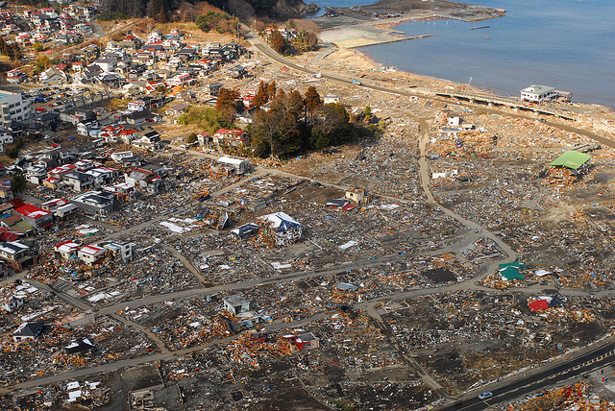
›In the wake of natural disasters, the idea that systematic change might be needed to prevent future crises often takes a backseat to restorative efforts. But as disasters become more common, there is often a blurring of disaster response and development initiatives.
-
Bouncing Forward: Why “Resilience” Is Important and Needs a Definition
›As policymakers respond to the threat of climate and environmental change, the concept of resilience has found itself at the center of discussion. Few scientists and policymakers, however, can come to a consensus on how to define, evaluate, and build resilience.
-
State of the Oceans 2013: Acidification, Overfishing Major Threats to Ecosystem Health
›“The rate of speed of change in the global oceans are greater than [that] of any time in known history,” said Karen Sack of the Pew Charitable Trusts, speaking at the Wilson Center on November 13. She was joined by Paul Schopf, professor of oceanography and associate dean for research and computing at George Mason University, and Libby Jewett, director of the Ocean Acidification Programs at National Oceanic and Atmospheric Administration (NOAA), to discuss the latest State of the Ocean Report. [Video Below]
Showing posts from category From the Wilson Center.