-
Water, Sanitation, and Hygiene Programs as a Strategy to Advance Maternal Health
›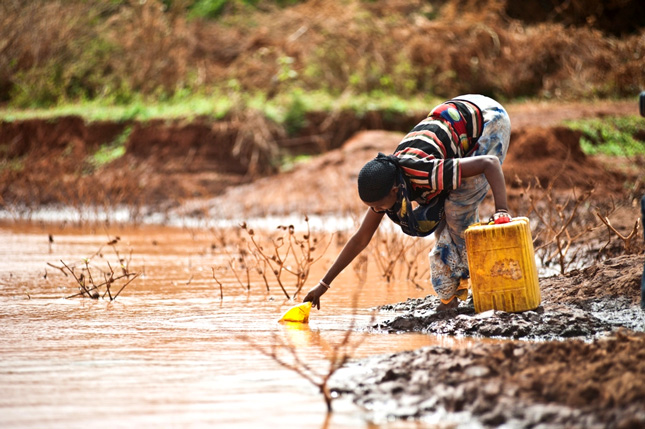
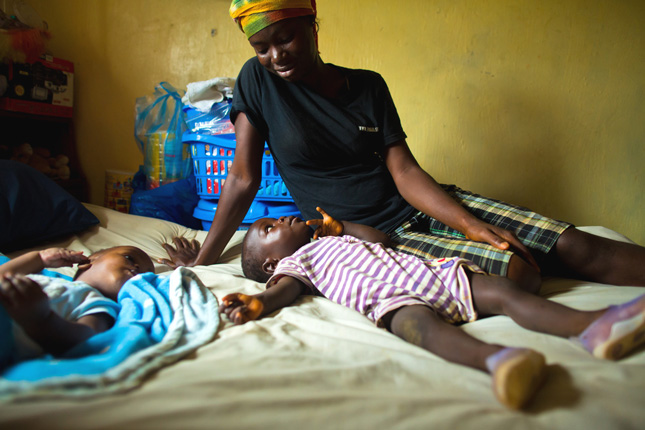
Of all the Millennium Development Goals, the maternal health and sanitation targets are among the farthest off track, said Rebecca Fishman, operations and special projects director of WASH Advocates. [Video Below]
-
Solidarity and Stigma: The Challenge of Improving Maternal Health for Women Living With HIV
›
Despite the fact that with proper interventions, the likelihood of mother-to-child transmission of HIV is less than five percent, expectant mothers with HIV or AIDS often face intense stigma and marginalization from health care providers around the world. As a result, in some areas, the mortality rate for mothers with HIV is seven to eight times greater than the rate for non-infected women, said Dr. Isabella Danel of the U.S. Centers for Disease Control. [Video Below]
-
How Does the Media – and Public – Learn Environmental Science? Help Us Find Out
›Years ago, when I was a diplomatic correspondent at a large national magazine, if I encountered what I thought of as “science stuff,” I sent it to the science desk. I was busy covering foreign policy, wars, and ethnic and religious conflicts – not science. It was only when I took a new job focused on educating the U.S. media on a wide range of international issues that I began to discover the rich world I had overlooked, and see new links and connections.
-
Forests on Film: New Stories From Nepal and the Congo Basin
›Given growing awareness about environmental change and how it affects human life, it is perhaps not surprising there is also a growing audience for environmental filmmaking. At the 2014 Environmental Film Festival in the Nation’s Capital on March 25, the Wilson Center premiered ECSP’s latest documentary, Scaling the Mountain: Protecting Forests for Families in Nepal. Together with Heart of Iron, a recent film on mining in the Congo Basin, the event took viewers into some of the world’s most remote forests to see how their inhabitants are adapting to rapid changes in the natural resources on which they depend.
-
Double Dividends: Population Dynamics and Climate Adaptation
›If current projections hold, Africa’s population will more than double in 40 years, putting more people at risk of food, water, health, and economic insecurity as the climate changes, as well as negating progress made in reducing carbon emissions per person. But what if it didn’t? [Video Below]
-
USAID Launches New Water, Conflict, and Peacebuilding Toolkit
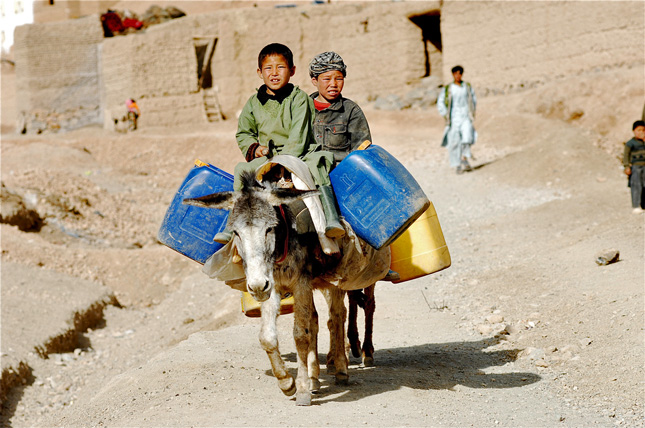
›With almost 800 million people currently lacking access to clean water and two-thirds of the world’s population projected to face conditions of severe water stress by 2025, disputes over water are a growing global concern. But while dwindling water supplies sharpen focus on conflict, long-term peacebuilding opportunities are often overlooked. [Video Below]
-
For Maternal Health, What Role Will Universal Health Coverage Play in a Post-MDG World?
›The global maternal health agenda has been largely defined by the Millennium Development Goals (MDGs) for the last decade and half, but what will happen after they expire in 2015? What kind of framework is needed to continue the momentum towards eliminating preventable maternal deaths and morbidities? [Video Below]
-
A New Dimension to Geopolitics: Geoff Dabelko on the Latest IPCC Report
›“The Intergovernmental Panel on Climate Change is an attempt to get an international group of scientists together to assess what we know about climate change,” says Geoff Dabelko in an interview with the Wilson Center’s Context program. “That is not a quick process.”
Showing posts from category From the Wilson Center.