-
Dawn of the Smart City? Perspectives From New York, Ahmedabad, São Paulo, and Beijing (Report Launch)
›
Rapid growth and environmental change are creating new challenges for urban areas around the world. By 2050, as many as 7 out of 10 people on Earth will live in cities, with the vast majority of growth occurring in today’s developing countries. [Video Below]
-
Can Social Accountability Help Ensure Rights and Better Participation in Maternal Health Services?
›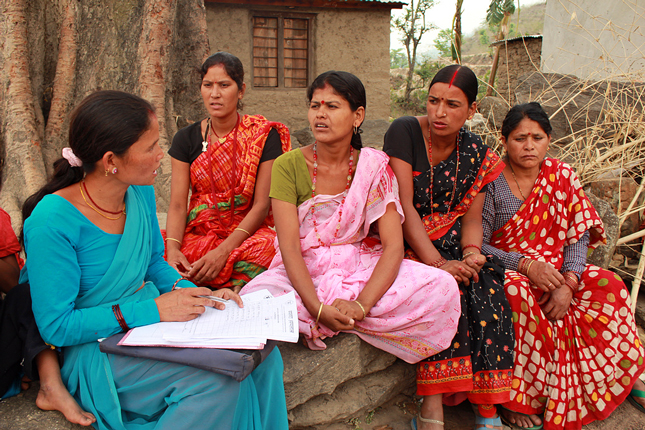
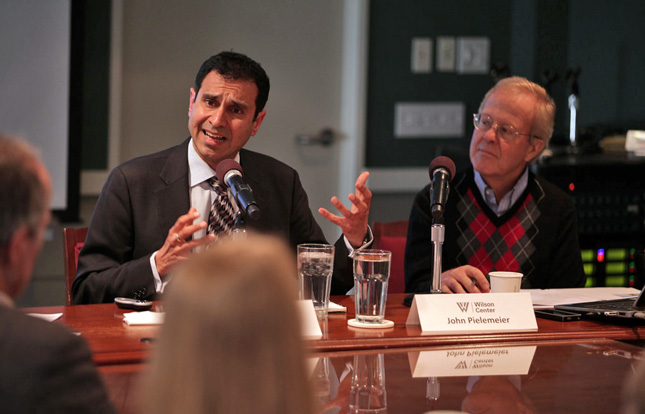
Over the last two decades, social accountability has emerged as a strategy to make health services more responsive to community needs. It’s an approach that creates a space for “interaction between citizen engagement and government responsiveness,” said Jonathan Fox, professor of international development at American University at the Wilson Center May 5. [Video Below]
-
National Security and the Accelerating Risks of Climate Change (Report Launch)
›Climate change poses a serious threat to U.S. national security and is becoming a “catalyst for conflict” in vulnerable countries, according to a panel of retired military leaders speaking at the Wilson Center on May 15. [Video Below]
-
How Do We Bounce Back Better? 2015 a Critical Year for Global Resilience, Climate Efforts
›According to NASA and a team of scientists from the University of California, significant portions of the West Antarctic ice sheet have begun an unstoppable slide towards oblivion, slowly melting in warmer-than-usual ocean currents that have been eating away at their bases. [Video Below]
-
What Can Governments Do About Falling Birth Rates?
›“We have a fairly unique moment in the history of the world,” said Steven Philip Kramer, a professor at National Defense University, at the Wilson Center on April 17. “There’s never been a time when people have voluntarily produced fewer children than is necessary for sustaining the population.” [Video Below]
-
The Red Cross’s Peter Maurer on New Challenges for Humanitarian Aid
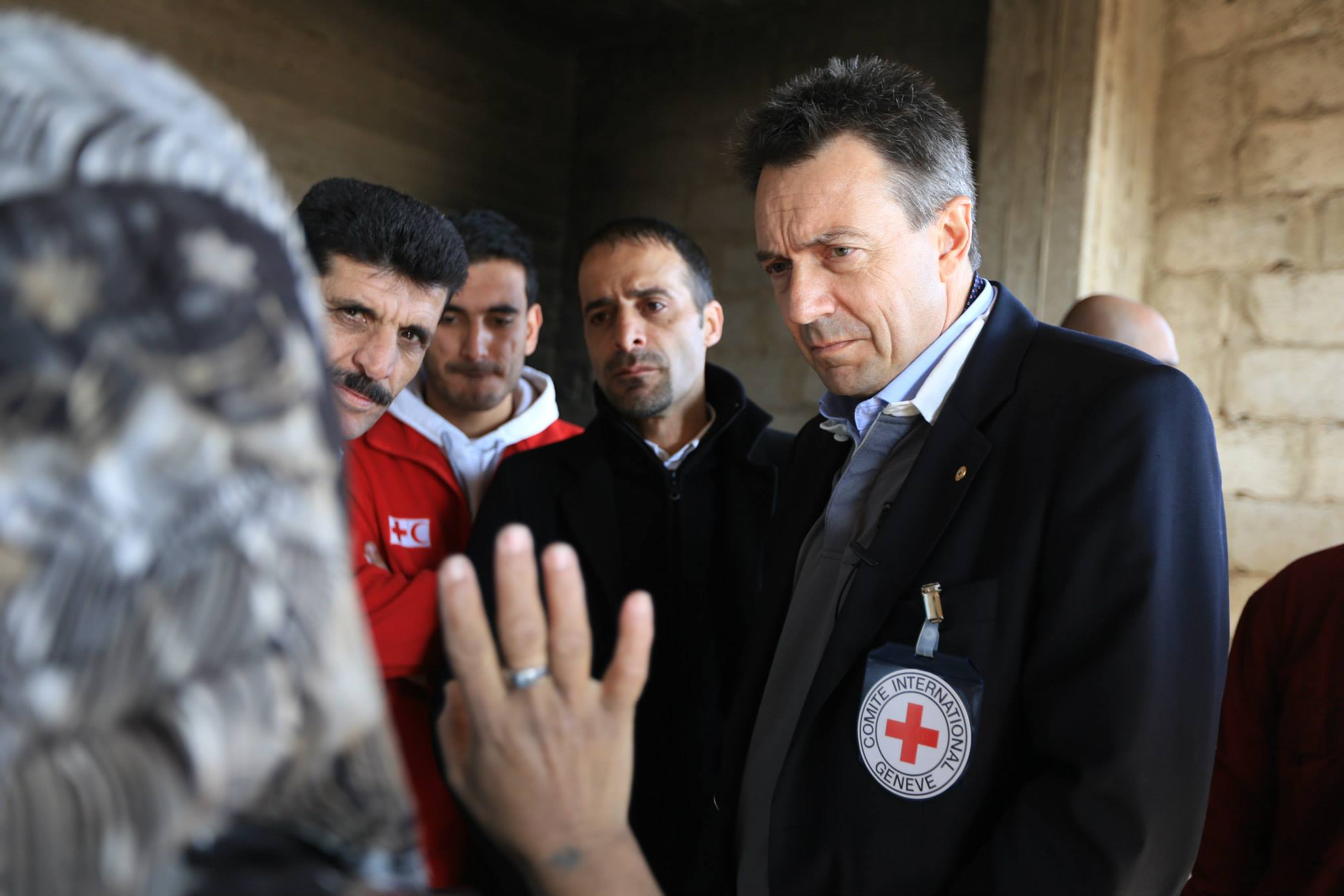
›Last year, the International Committee of the Red Cross (ICRC) celebrated 150 years of their mission to “protect the lives and dignity of victims of war and internal violence.” Though this mission hasn’t changed in the past century-and-a-half, the nature of conflict and crisis response has. [Video Below]
-
New Report From Military Leaders Calls Climate Change “Catalyst for Conflict”
›Military leaders should be very concerned about climate change – that’s the message of a new report released this week by the CNA Corporation’s Military Advisory Board.
-
Make It Count: Evaluating Population, Health, and Environment Development Programs
›Evaluation is the lifeblood of any development effort – it’s how implementers know if they’re making a difference, determine what to do more or less of, and enables funders to evaluate cost-effectiveness. But it’s also an inexact science, no more so than when it comes to complex interventions that cut across sectors. [Video Below]
Showing posts from category From the Wilson Center.